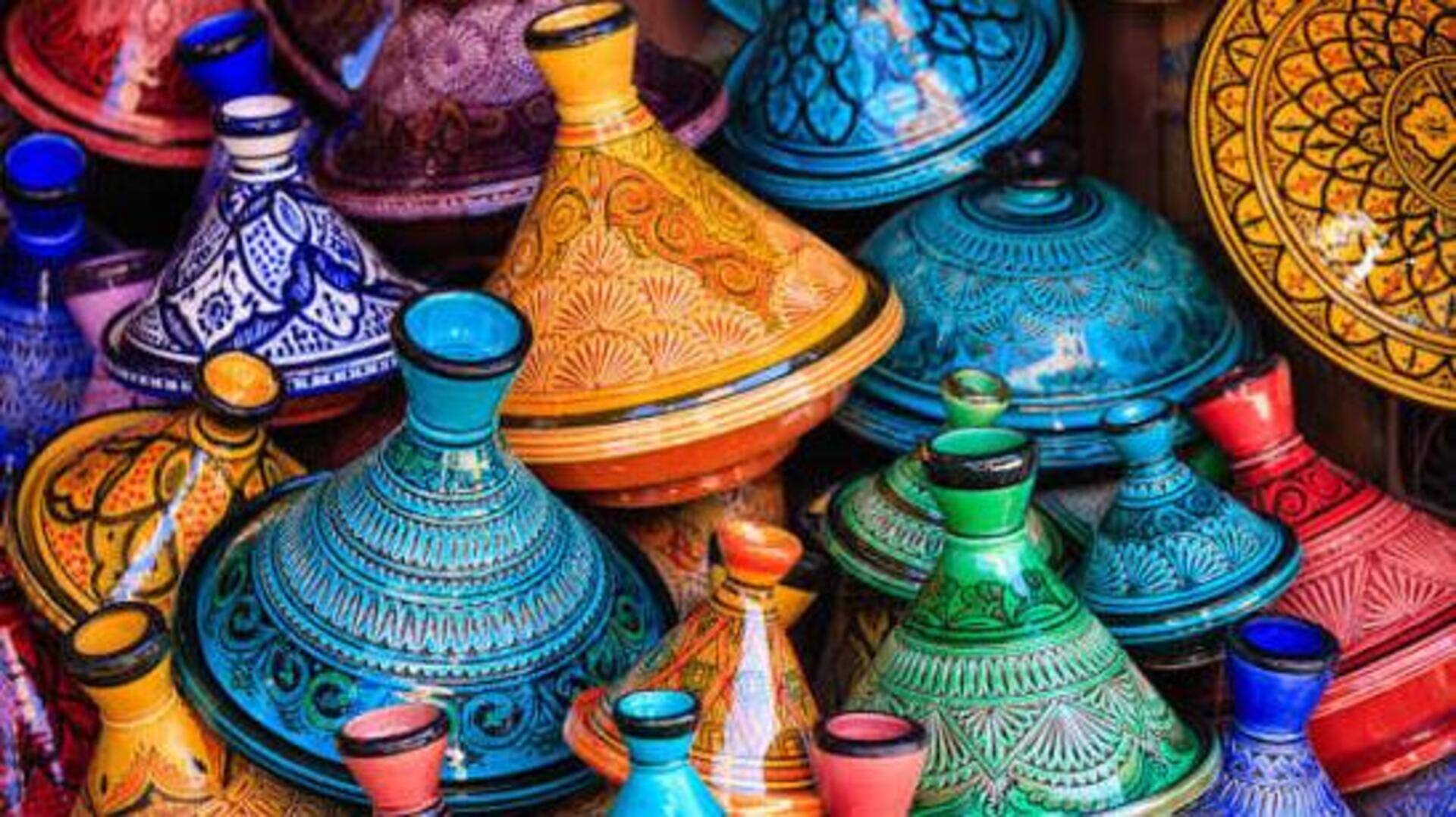
Exploring the unique features of African pottery
What's the story
African pottery is a beautiful blend of ancient traditions and modern designs. The art form has been passed down generations, but it has also evolved to meet contemporary tastes. From functional to decorative, African pottery is a testament to the continent's rich cultural heritage and innovative spirit. Here is a look at the unique features of African pottery, and how it continues to inspire and adapt in today's world.
#1
Traditional techniques in modern times
Traditional techniques are still widely used in African pottery today.
Hand-building methods like coiling and pinching are still popular, allowing artisans to create unique pieces with intricate designs.
These techniques are often passed down through families, preserving cultural identity while adapting to modern aesthetics.
The use of locally sourced materials also remains a common practice, ensuring authenticity in each piece.
#2
Influence of contemporary art
The influence of contemporary art has also made its way into African pottery.
Many artisans are now blending traditional motifs with modern styles, resulting in pieces that appeal to a wider audience.
This fusion allows for creative expression while honoring cultural roots.
Exhibitions showcasing this blend often attract international attention, highlighting the global relevance of African pottery.
#3
Economic impact on communities
The pottery industry also provides economic opportunities for many African communities.
By selling their work locally and internationally, artisans can sustain themselves and contribute to their local economies.
Workshops and training programs also help develop skills among community members, ensuring the art form continues to thrive economically.
#4
Environmental considerations in production
Environmental considerations are becoming increasingly important in the production of African pottery.
Many artisans are now using sustainable practices by recycling materials and reducing waste during the production process.
This not only helps protect the environment but also appeals to eco-conscious consumers, who value sustainability in art forms.
Tip 1
Tips for collecting African pottery
When collecting African pottery, look for pieces that reflect authentic craftsmanship, with attention to detail in design work or texture variations on surfaces.
Consider provenance by asking about an item's origin story or maker's background, as these factors often add value over time within collector circles globally.