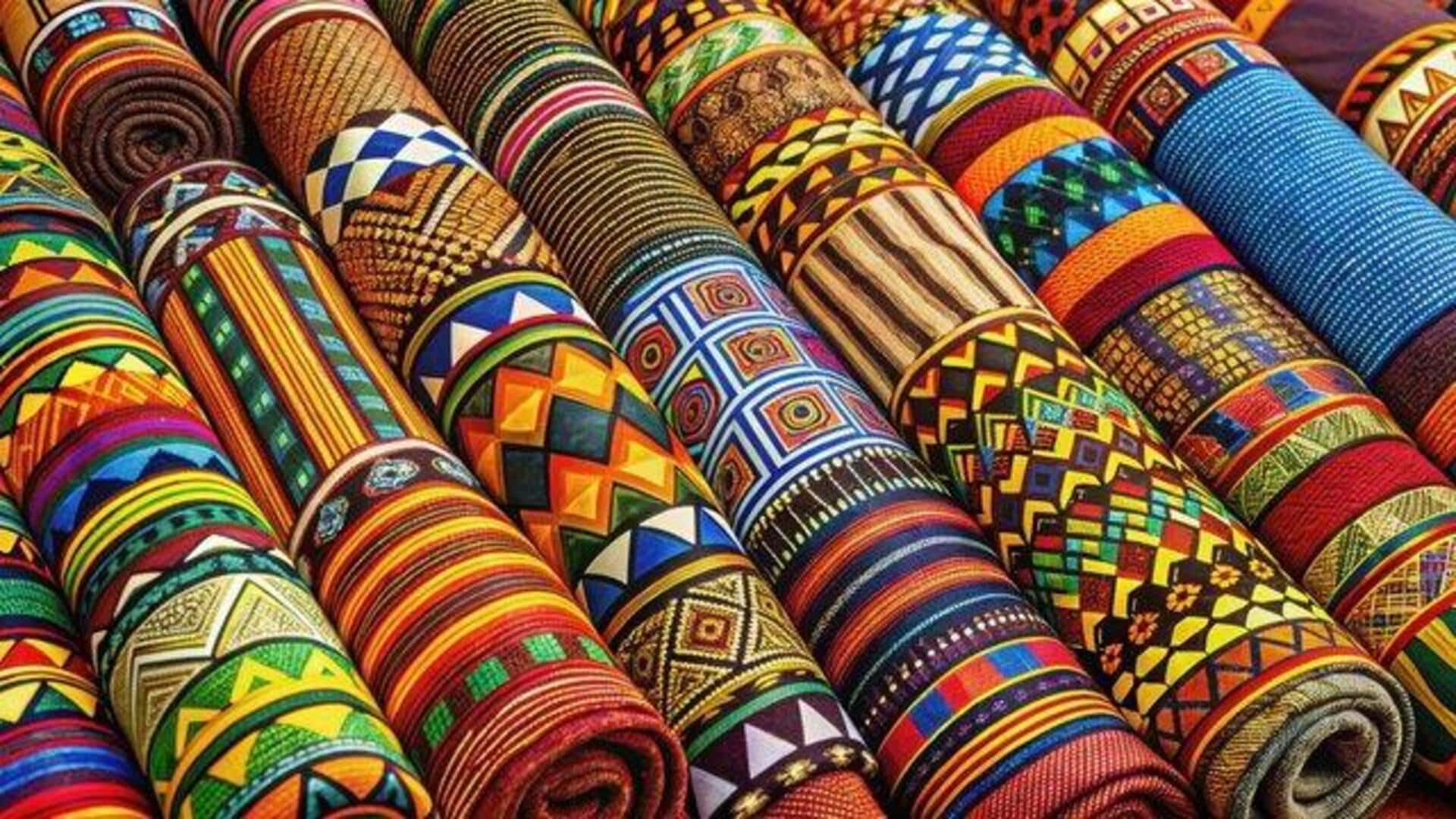
African textile art: Significance, techniques, and more
What's the story
African textile art is a vibrant expression of culture and history. From intricate patterns to bold colors, these textiles tell stories and preserve traditions. Each piece is unique, reflecting the diverse cultures across the continent. This article explores the significance of African textile art, its various forms, and how it continues to influence modern design.
#1
The significance of patterns
Patterns in African textiles are not just decorative; they are symbolic.
Each pattern can represent a different meaning or story, often linked to the wearer's identity or status within their community.
For instance, certain motifs may signify protection or fertility.
Understanding these patterns gives insight into the cultural values and beliefs of different African societies.
#2
Techniques passed through generations
The techniques used in creating African textiles have been passed down through generations.
Weaving, dyeing, and embroidery are some of the methods that artisans have perfected over centuries.
These techniques vary from region to region, with each area developing its own distinctive style.
The craftsmanship involved is a testament to the skill and dedication of the artisans.
#3
Modern influences on textile art
In recent years, African textile art has influenced global fashion and design trends.
Designers around the world incorporate African fabrics into their collections, celebrating their vibrant colors and unique patterns.
This cross-cultural exchange not only supports local artisans but also introduces a wider audience to the beauty of African textiles.
#4
Preserving traditional techniques today
Today, efforts are being made to preserve traditional African textile techniques in the face of modernization.
Workshops and training programs are being organized to teach younger generations these valuable skills.
By keeping these traditions alive, communities ensure that their cultural heritage continues to thrive for future generations.