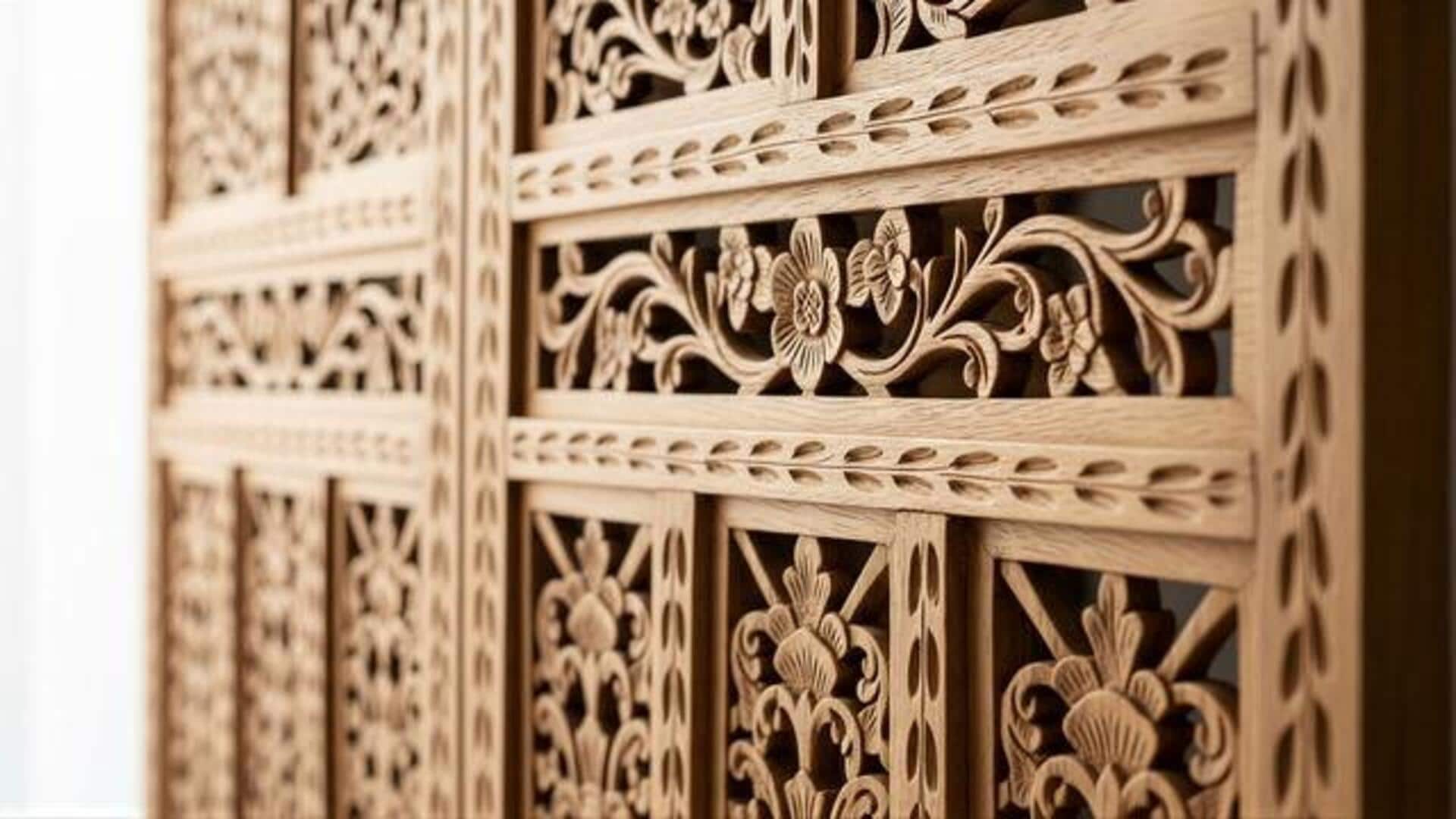
How modern artists are reinventing traditional wood carving
What's the story
African wood carving has been a traditional art form for centuries, showcasing the continent's rich cultural heritage. However, a new wave of innovation is sweeping through the art world, blending these age-old techniques with modern media. This fusion is giving rise to unique sculptures that not only pay homage to African traditions but also resonate with contemporary audiences. The result? A dynamic interplay between past and present, creating pieces that are both timeless and timely.
#1
The evolution of African wood carving
African wood carving has evolved from its traditional roots to incorporate modern elements.
While the techniques remain the same, artists are now using tools and methods that were unheard of in the past.
This evolution has allowed for greater precision and creativity, resulting in sculptures that are more detailed and expressive than ever before.
#2
Integrating technology in sculpture making
Modern media has also made its way into the world of African wood carving.
Artists are now using digital tools to design their sculptures before bringing them to life.
These tools allow for experimentation with different forms and styles, resulting in innovative pieces that challenge conventional notions of art.
#3
Cultural significance in modern sculptures
While modern African wood carvings may look different, they still retain their cultural significance.
Many artists incorporate traditional motifs and symbols into their work, ensuring that the cultural heritage remains intact.
These sculptures serve as a bridge between generations, preserving the past while looking forward to the future.
#4
Market demand for contemporary African art
The demand for contemporary African art is on the rise globally, with collectors and galleries interested in these unique sculptures.
The fusion of traditional techniques with modern media appeals to a wide audience who appreciate both cultural depth and artistic innovation.
This growing interest provides new opportunities for African artists on the international stage.