How ankle rotation helps improve agility
What's the story
Ankle rotation is a simple yet effective exercise that can significantly improve mobility. By focusing on the range of motion in the ankles, you can enhance balance, reduce the risk of injury, and increase overall agility. This exercise is particularly beneficial for those who engage in activities requiring quick changes in direction or prolonged periods of standing. Incorporating ankle rotations into your routine can lead to noticeable improvements in your physical performance and daily comfort.
#1
Understanding ankle rotation benefits
Ankle rotation exercises help in maintaining and improving flexibility in the ankle joint.
They ensure that the joint moves smoothly without any stiffness or discomfort.
This flexibility is important for avoiding injuries during physical activities.
Further, improved ankle mobility can also help in better posture and alignment, which are important for overall body health.
#2
How to perform ankle rotations
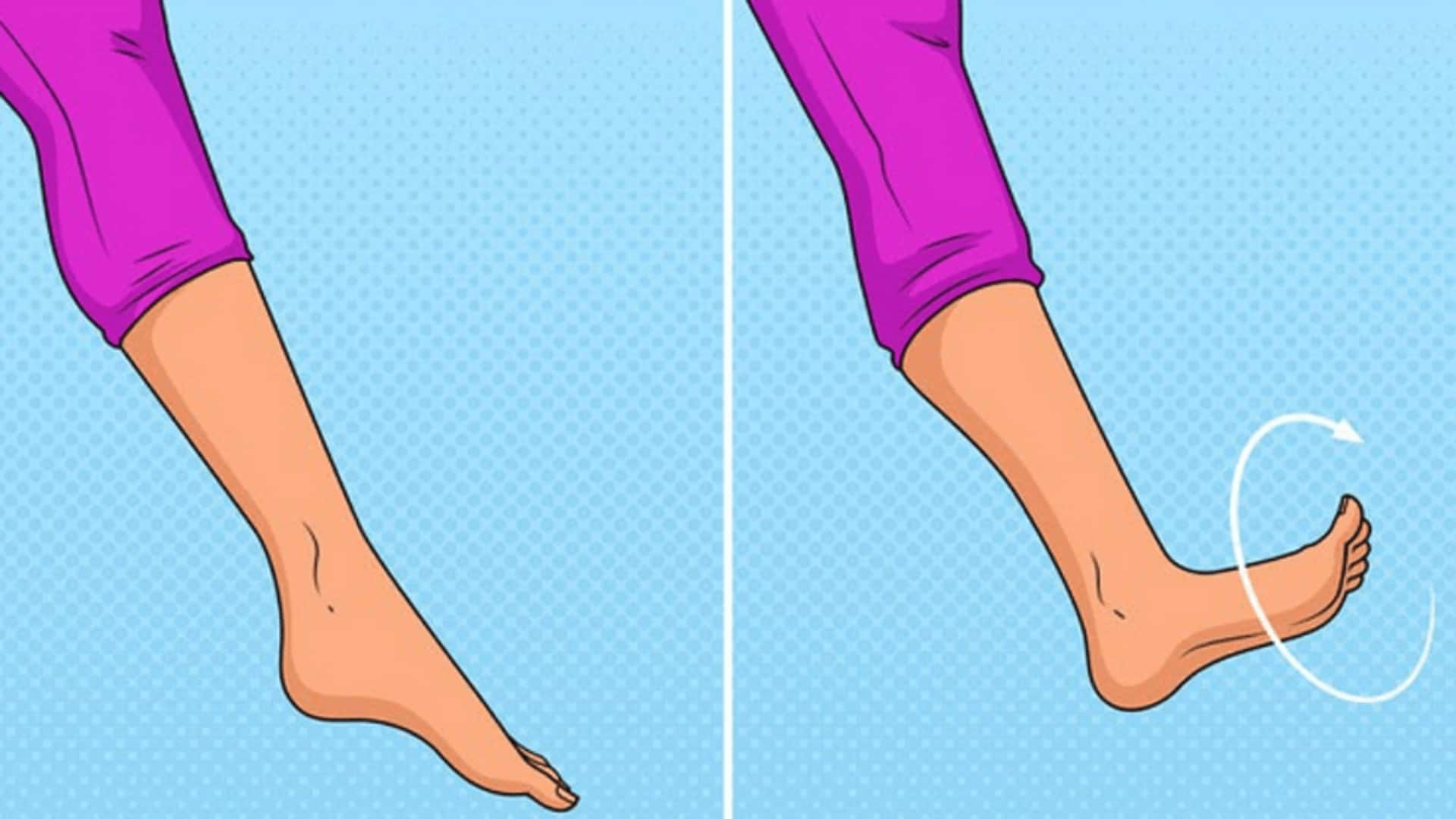
To perform ankle rotations, sit comfortably with one leg extended.
Rotate your ankle clockwise for 10 repetitions, then switch to counterclockwise for another 10.
Repeat with the other foot.
This simple routine can be performed daily or several times a week, depending on your fitness goals and schedule.
#3
Incorporating ankle rotations into daily routine
Incorporating ankle rotations into your daily routine is easy and requires little time.
You can do them while watching TV, reading a book, or working at a desk.
The key is consistency; making this exercise a habit will yield better results over time.
Consider setting reminders or linking this activity to other daily tasks to ensure regular practice.
Tip 1
Monitoring progress and adjusting frequency
As with any exercise regimen, monitoring progress is key to knowing its effectiveness.
Pay attention to how your ankles feel during movement; increased ease indicates improved mobility over time.
Adjust the frequency of your sessions according to your comfort level and desired outcomes; some may find daily practice beneficial while others might prefer three times a week.