Does archery improve your focus better than fencing?
What's the story
Archery and fencing are two sports that require immense concentration and mental discipline. Both sports have their own unique ways of enhancing focus, making them ideal for anyone looking to sharpen their mental acuity. While archery involves precision aiming at a target, fencing is all about quick reflexes and strategic thinking. Here's how each sport helps improve focus and mental clarity.
#1
The art of stillness in archery
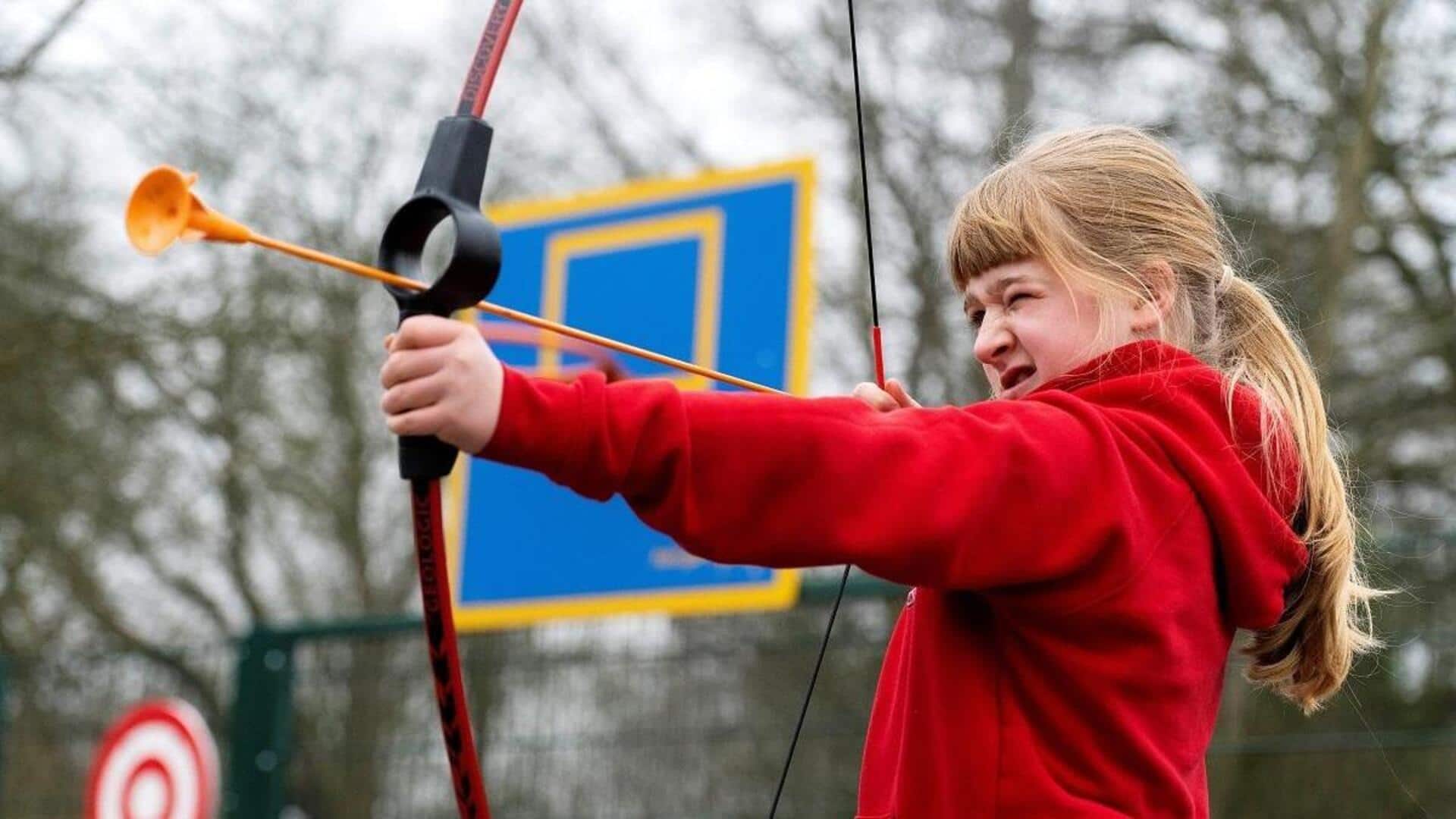
Archery requires archers to remain still for a long time before releasing their arrows. This stillness is essential to hit the target accurately. The practice of maintaining physical stillness helps in training the mind to concentrate on the task at hand without getting distracted by external factors. The repetitive nature of archery also helps in reinforcing this focus over time.
#2
Quick reflexes in fencing
Fencing is all about quick reflexes and rapid decision-making. Fencers have to remain alert at all times, ready to react to their opponent's moves in a split second. This constant need for mental alertness sharpens one's ability to focus under pressure. The strategic element of fencing also demands players to think several steps ahead, further enhancing cognitive focus.
#3
Breathing techniques for better concentration
Both archery and fencing emphasize the importance of breathing techniques to maintain concentration. In archery, controlled breathing helps in calming nerves before releasing an arrow. In fencing, proper breathing ensures that fencers remain composed during intense exchanges. These techniques help regulate stress levels and improve overall mental clarity.
Tip 1
Visualization as a focus tool
Visualization is a common tool used by athletes in both archery and fencing to improve focus. By mentally rehearsing their moves or strategies, athletes can create a clearer picture of what they need to do during practice or competition. This mental rehearsal helps in building confidence and improving concentration by reducing uncertainty during actual performance situations.