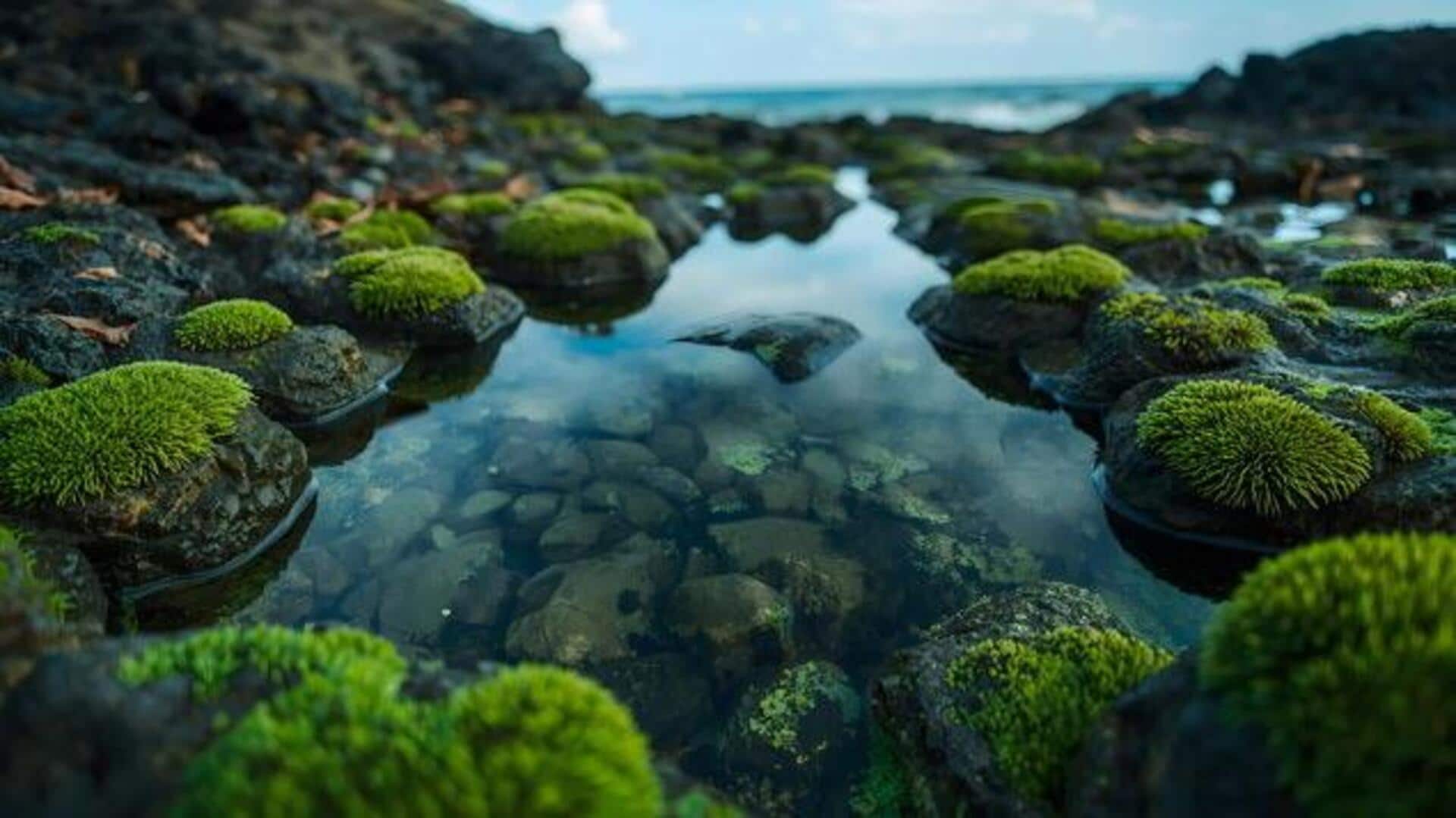
Australia's eastern coastline: Tide pools to explore
What's the story
Australia's eastern coastline is a treasure trove of natural wonders, especially its tide pools. These small aquatic ecosystems are home to a variety of marine life, making them perfect for exploration and discovery. From colorful sea stars to intricate seaweed, each tide pool offers a unique glimpse into the ocean's biodiversity. Whether you're an avid naturalist or just curious, these tide pools provide an opportunity to connect with nature in a hands-on way.
#1
Discovering marine life in tide pools
Tide pools are teeming with life, from tiny crabs to vibrant sea anemones. These ecosystems are home to a variety of species that have adapted to the changing conditions of the tides. Exploring these pools can be an educational experience, as visitors observe how marine creatures interact with their environment. The diversity found in these small habitats highlights the complexity of ocean ecosystems and the importance of conservation efforts.
#2
Best times for tide pool exploration
The best time to visit tide pools is during low tide when the water recedes and exposes these natural wonders. Checking tide schedules beforehand ensures that you visit at the right moment for optimal exploration. Early morning or late afternoon visits often provide cooler temperatures and fewer crowds, allowing for a more peaceful experience as you navigate through the rocky shores.
#3
Safety tips for exploring tide pools
While exploring tide pools can be fun, safety should always be a priority. Wear sturdy footwear to avoid slipping on wet rocks and be mindful of sharp shells or barnacles. Keep an eye on incoming tides to avoid getting stranded by rising waters. It's also important not to disturb marine life; observe from a distance and avoid touching or removing organisms from their habitat.
#4
Preserving tide pool ecosystems
Preserving tide pool ecosystems is essential for maintaining biodiversity along Australia's eastern coastline. Visitors should follow guidelines like not littering or leaving behind any waste that could harm marine life. Educating others about responsible exploration helps ensure these natural wonders remain intact for future generations to enjoy.