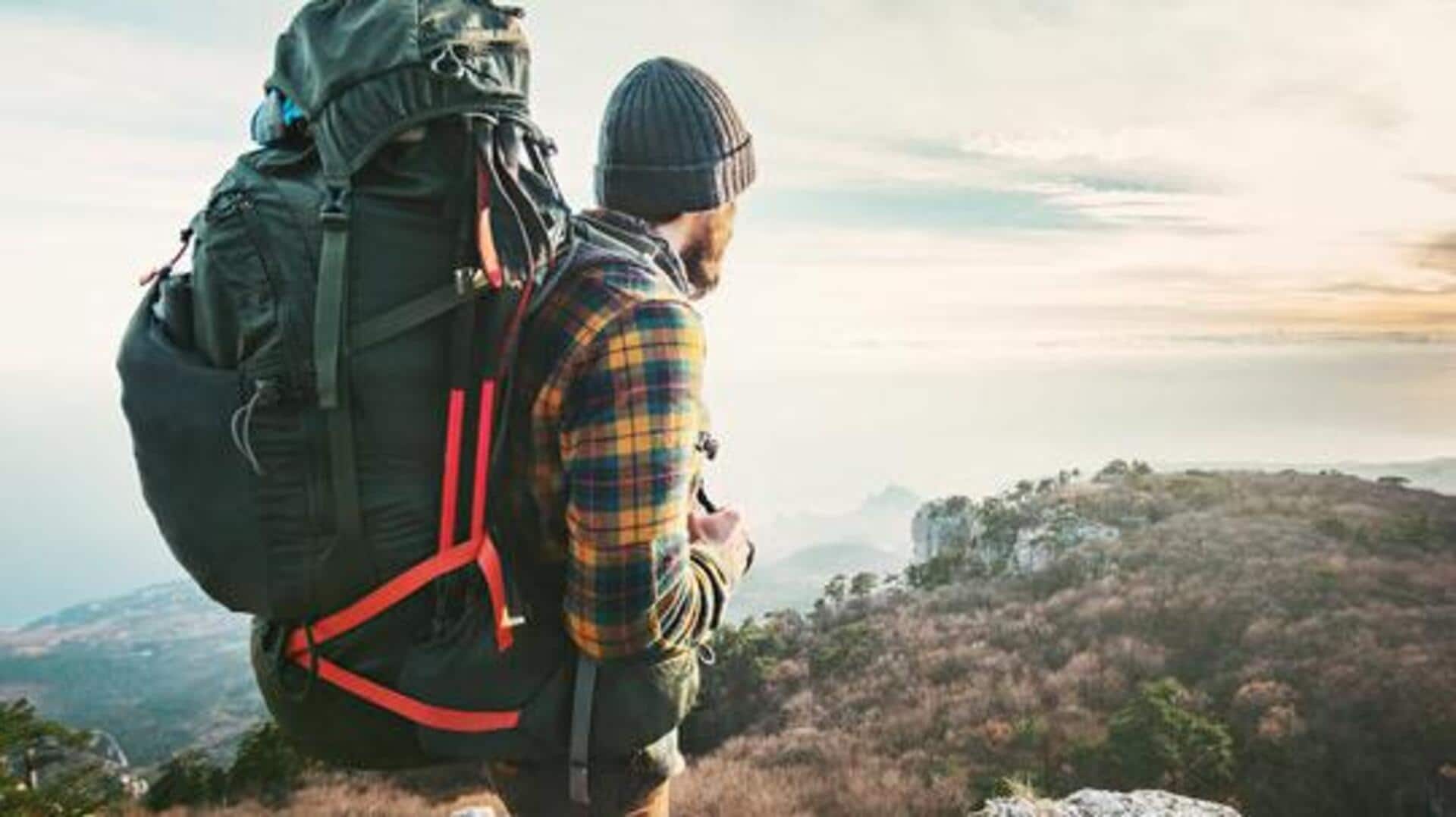
Does backpacking cause back pain?
What's the story
Backpacking is often touted as a healthy activity, but many believe it can lead to back pain. This article delves into some common misconceptions regarding backpacking and back pain, and offers insights into how this activity affects our bodies. By understanding these myths, you can make informed decisions about your backpacking habits and their impact on your back health.
#1
Myth: All backpacks cause back pain
Many believe that all backpacks are bad for your back, but that's not true. The real culprit is the way you use a backpack. A well-fitted backpack with proper weight distribution can actually help maintain posture and reduce strain on the back. It's important to adjust straps correctly and keep the weight balanced to avoid discomfort.
#2
Myth: Heavy loads always cause injury
While carrying heavy loads can be taxing, it doesn't mean you'll injure yourself. The key is to know your limits and gradually increase the load you carry. Training your muscles to handle weight over time can improve strength and endurance, reducing the risk of injury even with heavier packs.
#3
Myth: Only young people suffer from back pain
Back pain due to backpacking isn't restricted to the young. People of all ages can suffer if they don't use proper techniques or carry too much weight for their fitness levels. It's important for everyone, regardless of age, to pay attention to how they pack and carry their backpacks.
#4
Myth: Backpacking is bad for everyone
Not everyone is going to experience back pain while backpacking, as some people have stronger core muscles or better posture than others. Individual differences play a huge role in how much strain backpacking puts on your back. Knowing your own body and its limits is key when deciding if backpacking is right for you.
#5
Myth: Stretching before backpacking prevents pain
While stretching is good, it's not a foolproof way to prevent back pain from backpacking. Dynamic warm-ups are more effective than static stretching before hitting the trail. Focus on exercises that engage core muscles and improve flexibility in key areas like hips and shoulders for better support during hikes.