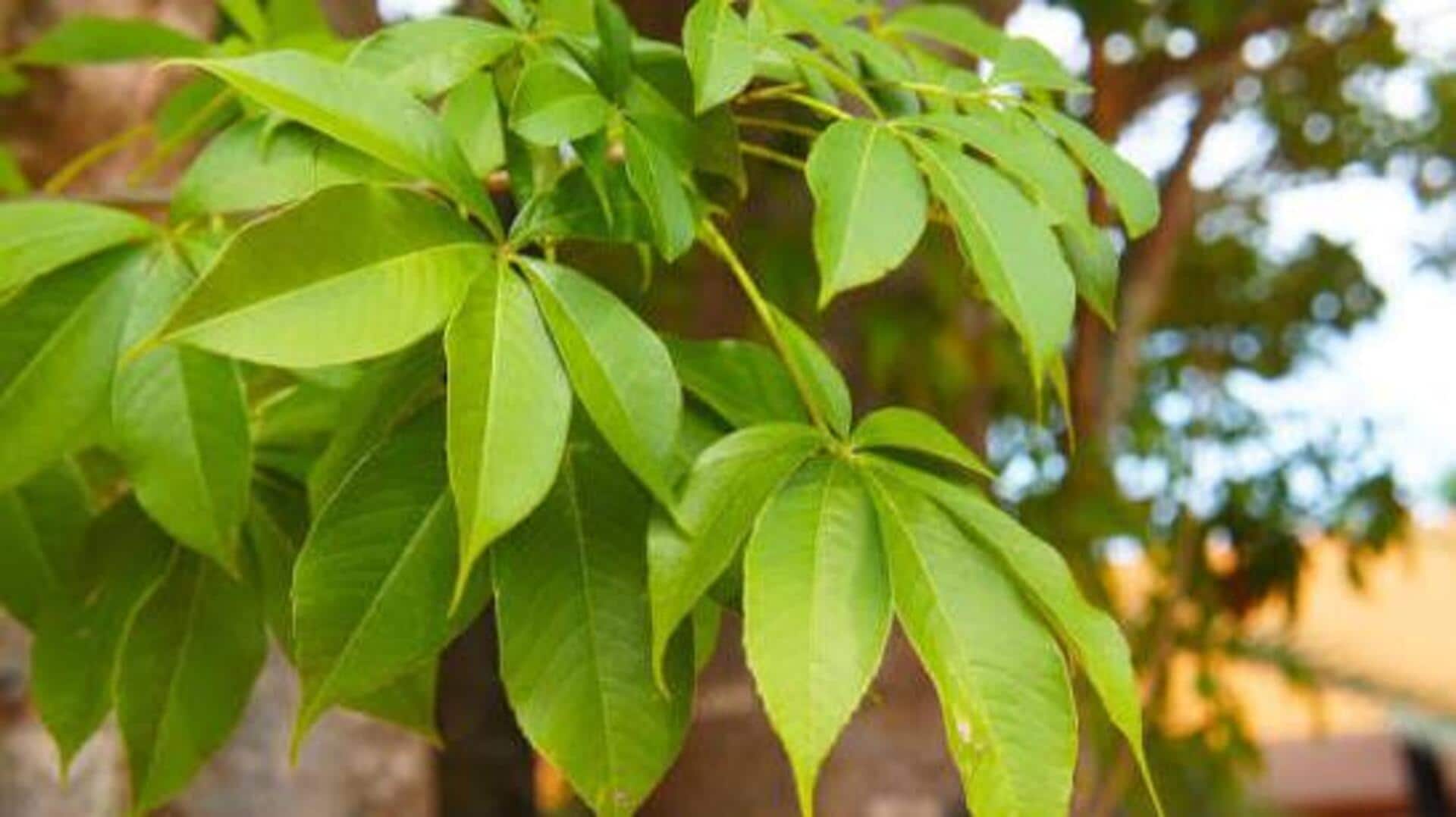
Why you should know about baobab leaves
What's the story
African baobab leaves, harvested from the iconic baobab tree, are gaining attention for their nutritional benefits. The leaves are rich in vitamins and minerals, making them a valuable addition to diets. They have been used traditionally across Africa for their health benefits. With the growing interest in natural and plant-based foods, baobab leaves present an interesting option for those looking to boost their nutrition with natural sources.
#1
Nutritional profile of baobab leaves
Baobab leaves are packed with essential nutrients, such as vitamin C, calcium, potassium, and magnesium.
They also contain antioxidants that help combat oxidative stress in the body.
The high vitamin C content can boost immune function and skin health. The calcium and potassium levels support bone health and cardiovascular function, respectively.
Including baobab leaves in your diet can give you a natural source of these vital nutrients.
#2
Traditional uses across Africa
In many African cultures, baobab leaves have been used traditionally in various ways.
They are often dried and ground into a powder to be added to soups or stews for flavor and nutrition.
In some regions, they are brewed as a tea or used in herbal remedies for ailments like fever or digestive issues.
These traditional uses highlight the versatility of baobab leaves as both a food source and medicinal herb.
#3
Modern culinary applications
Today, baobab leaves are making their way into modern kitchens around the world.
Chefs are experimenting with them in salads, smoothies, and as a seasoning for different dishes because of their mild flavor profile.
The powdered form of baobab leaf is especially popular as it can be easily added to different recipes without changing the taste too much.
This makes it easy for anyone to add these nutrient-rich leaves to their diet.
#4
Potential health benefits
Research suggests that consuming baobab leaves may offer several health benefits beyond basic nutrition.
The antioxidants present could play a role in reducing inflammation, while supporting cellular health.
Some studies indicate potential anti-diabetic properties due to their effect on blood sugar levels.
However, more research is needed to fully understand these benefits and how best to incorporate baobab leaves into a balanced diet.