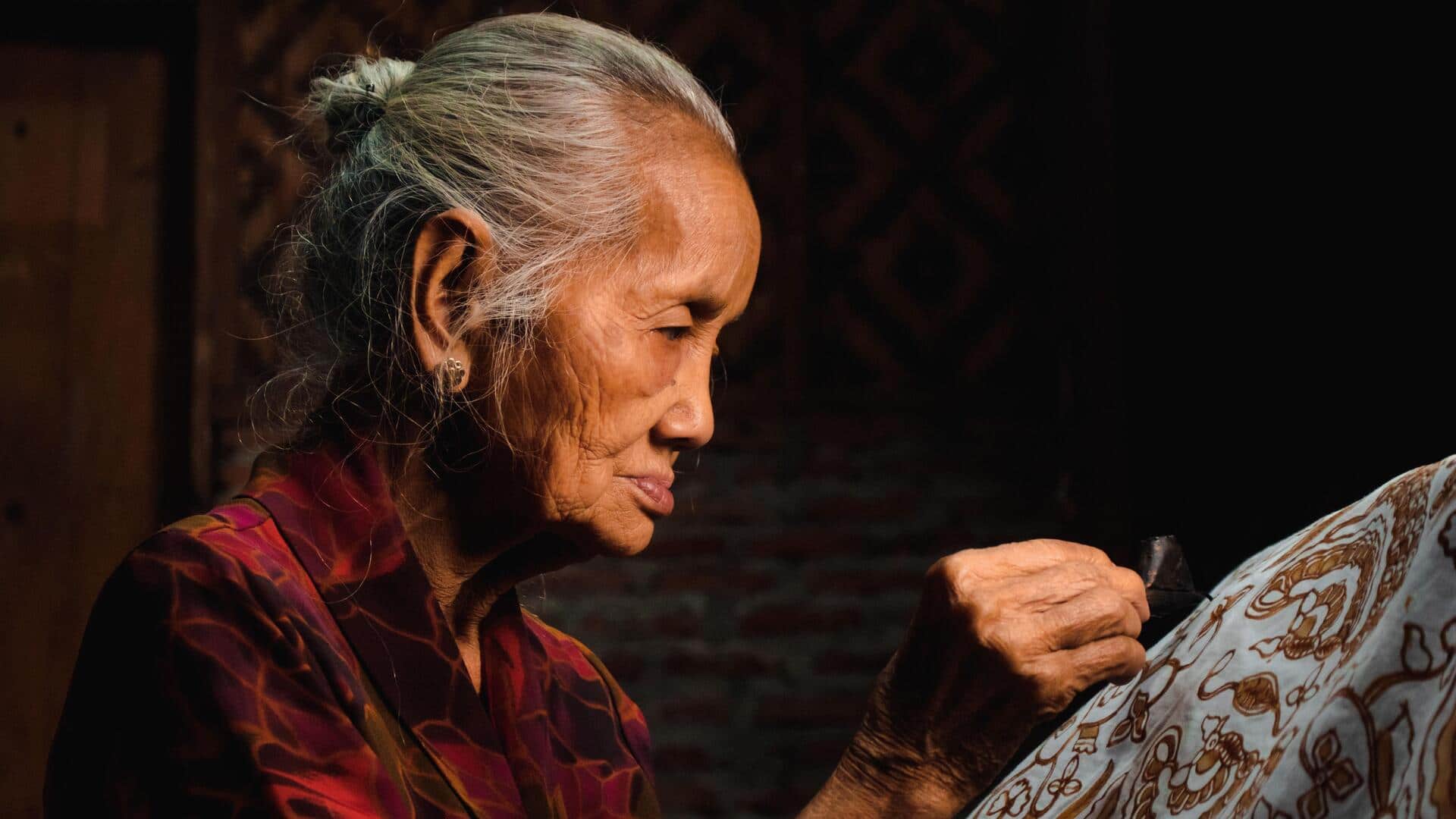
African batik: A colorful art with a rich history
What's the story
Batik is a traditional textile art form that originates from Africa and has been practiced for centuries. The technique involves applying wax to fabric and dyeing it, creating intricate patterns and designs. Batik has become a cultural symbol in many African countries, representing heritage and identity. The art form is not just a means of artistic expression but also a way to preserve cultural traditions.
#1
Historical roots of batik
Batik's history goes back centuries, with its roots in ancient African communities. Initially, it was used for ceremonial purposes and for clothing the elite.
Over the years, the technique evolved as artisans developed unique styles specific to their regions.
The historical significance of batik lies in its ability to tell stories through patterns and colors, often depicting historical events or cultural beliefs.
#2
Techniques involved in batik
The process of creating batik involves several meticulous steps.
First, artisans draw designs on fabric with hot wax, which resists dye.
Once the wax cools, they immerse the fabric in dye baths to create vibrant colors.
Afterward, the wax is removed to reveal intricate patterns underneath.
This technique requires skill and patience, as each layer adds depth to the final design.
#3
Cultural significance across Africa
Across Africa, batik holds cultural significance beyond mere aesthetics.
It often serves as a medium for storytelling or conveying messages within communities.
In some regions, specific patterns may symbolize particular tribes or clans, while others might represent significant life events such as weddings or rites of passage.
This cultural dimension makes batik an essential part of African heritage.
#4
Modern adaptations and global influence
In recent years, batik has witnessed a resurgence in popularity both locally and globally.
Designers have incorporated traditional techniques into contemporary fashion lines, bridging the gap between old traditions and modern trends.
This adaptation has not only revived interest among younger generations but also introduced batik's beauty to international audiences through exhibitions and collaborations with global brands.