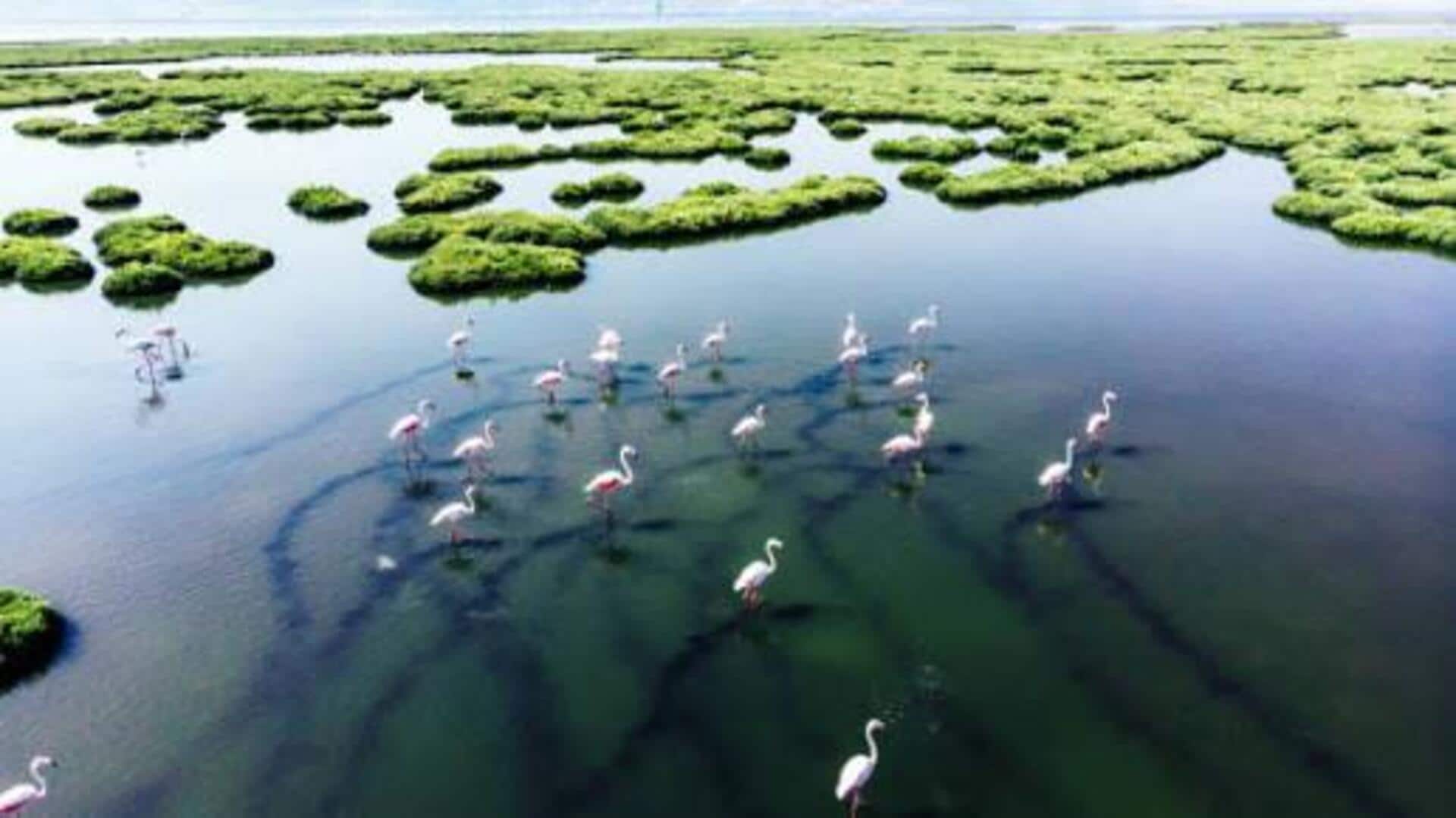
Birdwatching lovers, Zambia's wetlands are a must-visit
What's the story
Zambia's remote wetlands provide a unique opportunity to explore Africa's birdlife. These hidden gems are home to a variety of bird species, making them an ideal destination for birdwatching enthusiasts. The wetlands are not only crucial for the local ecosystem but also provide an unparalleled experience for those looking to connect with nature. Here are some insights into exploring these wetlands and discovering the diverse avian life they support.
#1
Unique bird species in wetlands
The remote wetlands of Zambia are home to a number of unique bird species that are not found anywhere else. These include the rare shoebill stork and the striking African jacana.
The diverse habitats in these regions support a variety of birds, making them a paradise for birdwatchers.
Observing these species in their natural habitat offers an incredible opportunity to appreciate their beauty and behavior.
#2
Best times for birdwatching
The best time to visit Zambia's wetlands for birdwatching is during the wet season, which usually lasts from November to March.
During this time, migratory birds flock to the area, increasing the number of species that can be spotted.
The rising water levels also attract different kinds of waterfowl and waders, making it an ideal time for enthusiasts to visit.
#3
Tips for exploring safely
When exploring Zambia's remote wetlands, safety should be a priority.
It is advisable to travel with a guide who knows the terrain and can help you avoid any potential dangers.
Wearing appropriate clothing that protects you from insects and sun exposure is essential.
Staying hydrated by carrying enough water is also important while traversing these wild areas.
#4
Respecting local ecosystems
Respecting local ecosystems is key when visiting Zambia's wetlands.
Tourists should stick to designated paths, so as not to disturb fragile habitats or wildlife populations.
It is also important not to litter or leave behind any waste that could harm the environment or its inhabitants.
Being mindful of one's impact helps preserve these precious ecosystems for future generations of birdwatchers and nature lovers alike.