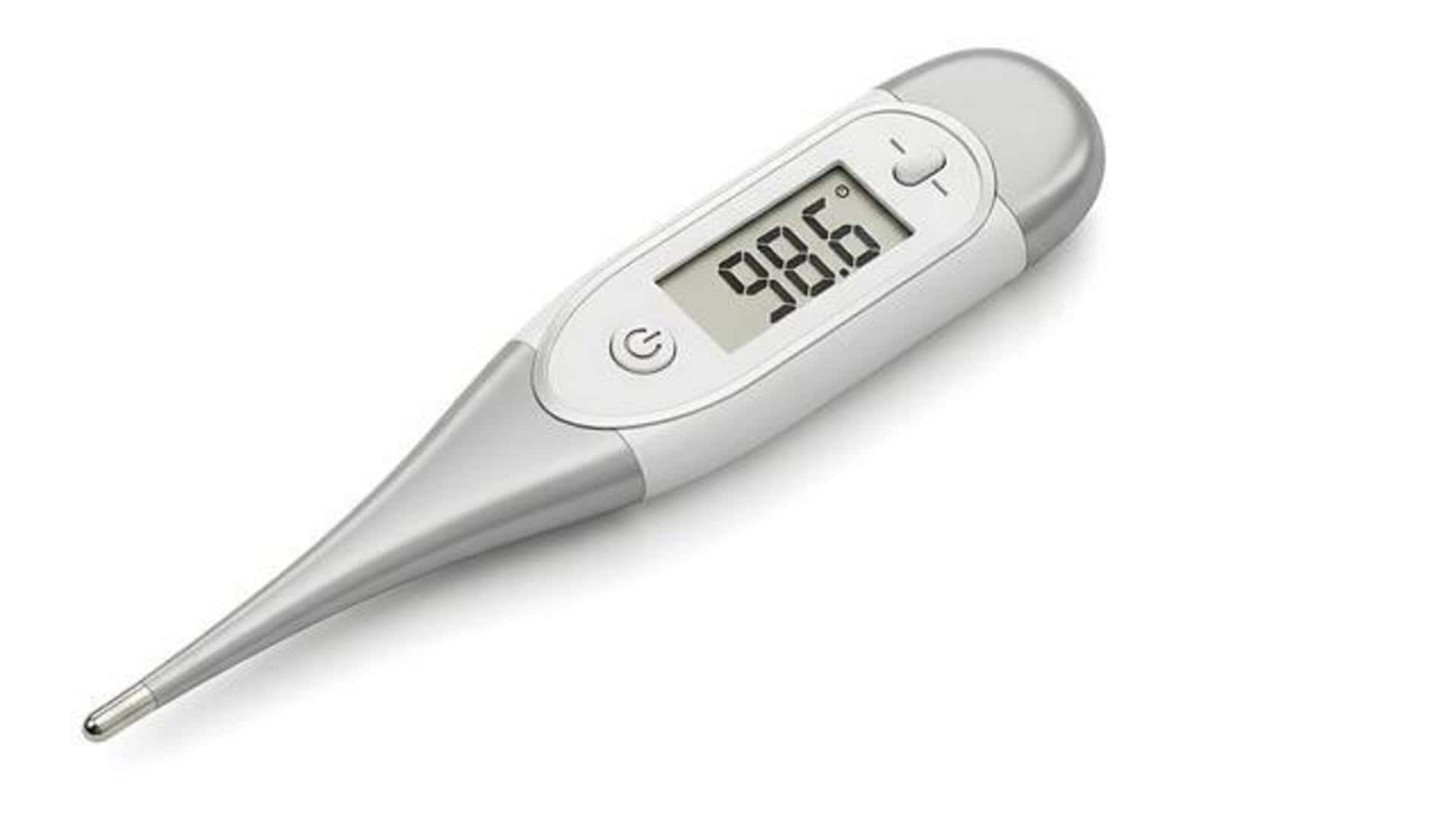
Body temperature and your health: Myths v/s facts
What's the story
Body temperature is often linked to health, with many myths surrounding its significance. Most people believe that a higher or lower body temperature always indicates an underlying health issue. However, this isn't always the case. Knowing the difference between myth and fact can help you understand how body temperature relates to health. Here's a look at common misconceptions and the truth behind them.
#1
Myth: High fever always indicates serious illness
A common misconception is that a high fever always indicates a serious illness.
While fever is a symptom of many infections, it is not necessarily indicative of a severe condition.
The body often raises its temperature as a natural response to fight off pathogens.
In many cases, mild fevers resolve on their own without medical intervention.
#2
Myth: Low body temperature means poor health
Another myth is that having a low body temperature indicates poor health or an underlying problem.
However, low body temperature can be normal for some people, depending on factors such as age, activity level, and time of day.
It is important to consider these variables before jumping to conclusions about one's health based solely on body temperature readings.
#3
Myth: Consistently high body temperature is dangerous
Many believe that consistently high body temperatures are dangerous and require immediate medical attention.
While persistent high temperatures can indicate an infection or other medical condition, occasional spikes may not be cause for concern.
Monitoring other symptoms and consulting with a healthcare professional is crucial for accurate diagnosis and treatment.
#4
Myth: Body temperature doesn't vary throughout the day
Some think body temperature remains constant throughout the day, but that's far from the truth.
It varies naturally due to factors like physical activity, eating patterns, and hormonal changes.
These fluctuations are normal and should not be a cause for concern unless accompanied by other troubling symptoms.