5 things every beginner should know about bouldering
What's the story
Bouldering, a form of rock climbing without ropes or harnesses, has become increasingly popular as an accessible and effective workout. Unlike traditional climbing, bouldering focuses on shorter, more intense routes called problems. This activity not only builds physical strength but also enhances mental agility and problem-solving skills. As a beginner, understanding the basics of bouldering can help you get started on the right foot while reaping its unique benefits.
#1
Understanding bouldering basics
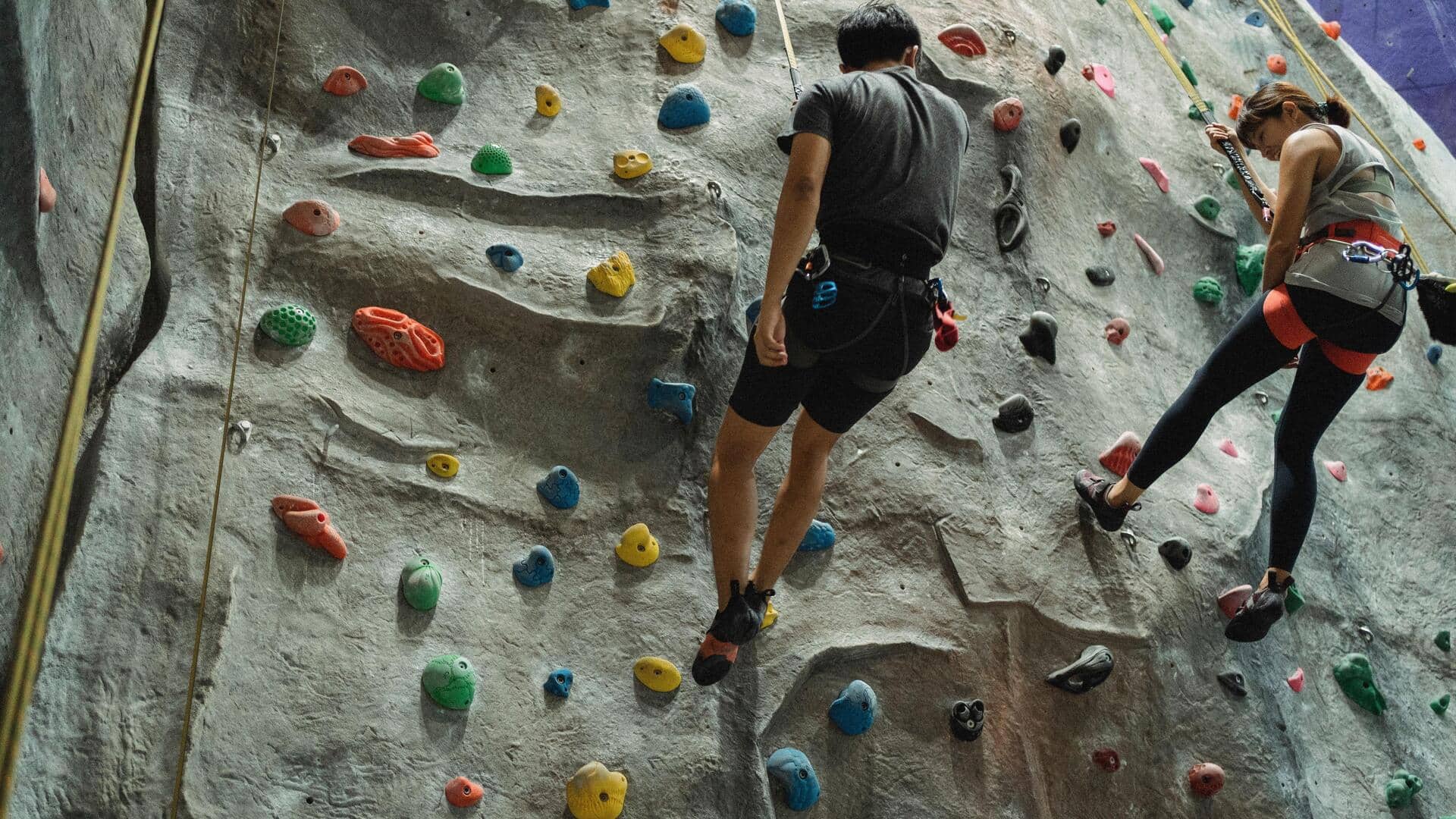
Bouldering involves climbing on small rock formations or artificial walls at a height of up to five meters.
The absence of ropes means climbers rely on crash pads for safety.
Sessions usually take place in indoor gyms or designated outdoor areas.
Beginners should start with easier problems to develop technique and confidence before attempting more challenging routes.
#2
Physical benefits of bouldering
Bouldering is a full-body workout that targets multiple muscle groups, including arms, legs, back, and core.
The dynamic movements involved in climbing help improve strength and endurance over time.
Additionally, regular bouldering sessions can enhance flexibility as climbers stretch their bodies to reach different holds on the wall.
#3
Mental challenges in bouldering
Bouldering isn't just a physical activity, it's also a mental one. Climbers need to think critically to solve the problems they face on the wall.
This requires a lot of focus, planning, and adaptability.
The more you boulder, the better you get at solving problems quickly and under pressure.
This skill is not just useful for climbing, but also for everyday life, as it improves your ability to think on your feet.
#4
Social aspects of bouldering
One of the best parts of bouldering is the community that comes with it.
Climbers often meet at gyms or outdoor areas, where they can share tips on technique or encourage each other through tough problems.
This social element makes it easier for beginners to learn from more experienced climbers while making new friends who share similar interests.
#5
Tips for beginners starting out
As a beginner boulderer, it's important to wear comfortable clothes that allow you to move freely but provide enough grip on holds.
Start with low-intensity sessions to build up your strength and stamina. Gradually increase the difficulty level as you gain confidence and technique.