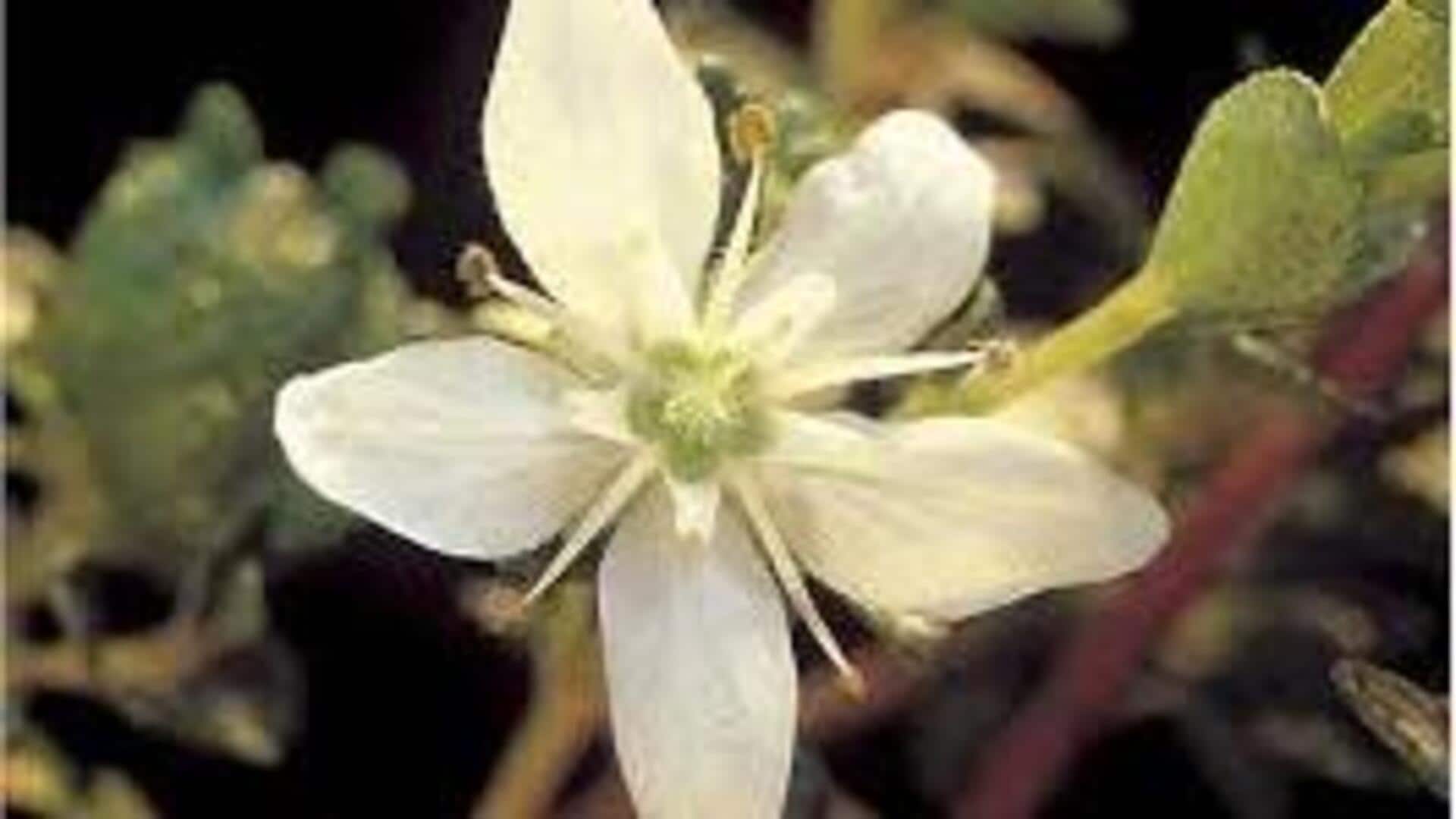
Buchu: A traditional herb worth knowing about
What's the story
Buchu, a plant indigenous to Southern Africa, has been an integral part of traditional medicine for centuries. Famous for its therapeutic properties, buchu has been used to treat a number of ailments. The leaves of the plant are commonly used for their aromatic oils. These oils are said to have anti-inflammatory and antiseptic properties, making buchu a sought-after natural remedy.
Traditional practices
Historical uses of buchu
Historically, indigenous communities have used buchu extensively in their healing practices.
The leaves were boiled or steeped to make infusions that treated digestive issues and relieved pain.
The aromatic oils extracted from the leaves were also applied topically to soothe skin irritations and reduce swelling.
These traditional uses demonstrate the versatility and importance of buchu in everyday health care.
Health benefits
Therapeutic properties of buchu
Buchu is said to have several health benefits, thanks to its active compounds.
It is commonly used as a diuretic to help flush out toxins from the body.
The plant's anti-inflammatory properties are said to help relieve joint pain and muscle aches.
Additionally, buchu's antiseptic qualities make it useful for treating minor cuts and infections.
Contemporary uses
Modern applications and research
In recent years, there has been renewed interest in buchu due to its potential health benefits.
Modern research is exploring its use in various forms, including teas and essential oils.
These products are becoming popular among those looking for natural remedies as alternatives to synthetic medications.
Studies continue to investigate buchu's efficacy in supporting urinary health, and reducing inflammation.
Growing practices
Cultivation and sustainability efforts
The cultivation of buchu is also essential to ensure it continues to thrive in its natural habitat.
Sustainable farming practices are being promoted to protect this valuable plant from overharvesting.
Efforts include educating local communities on sustainable harvesting techniques that preserve the ecosystem while allowing for the continued use of this important medicinal herb.