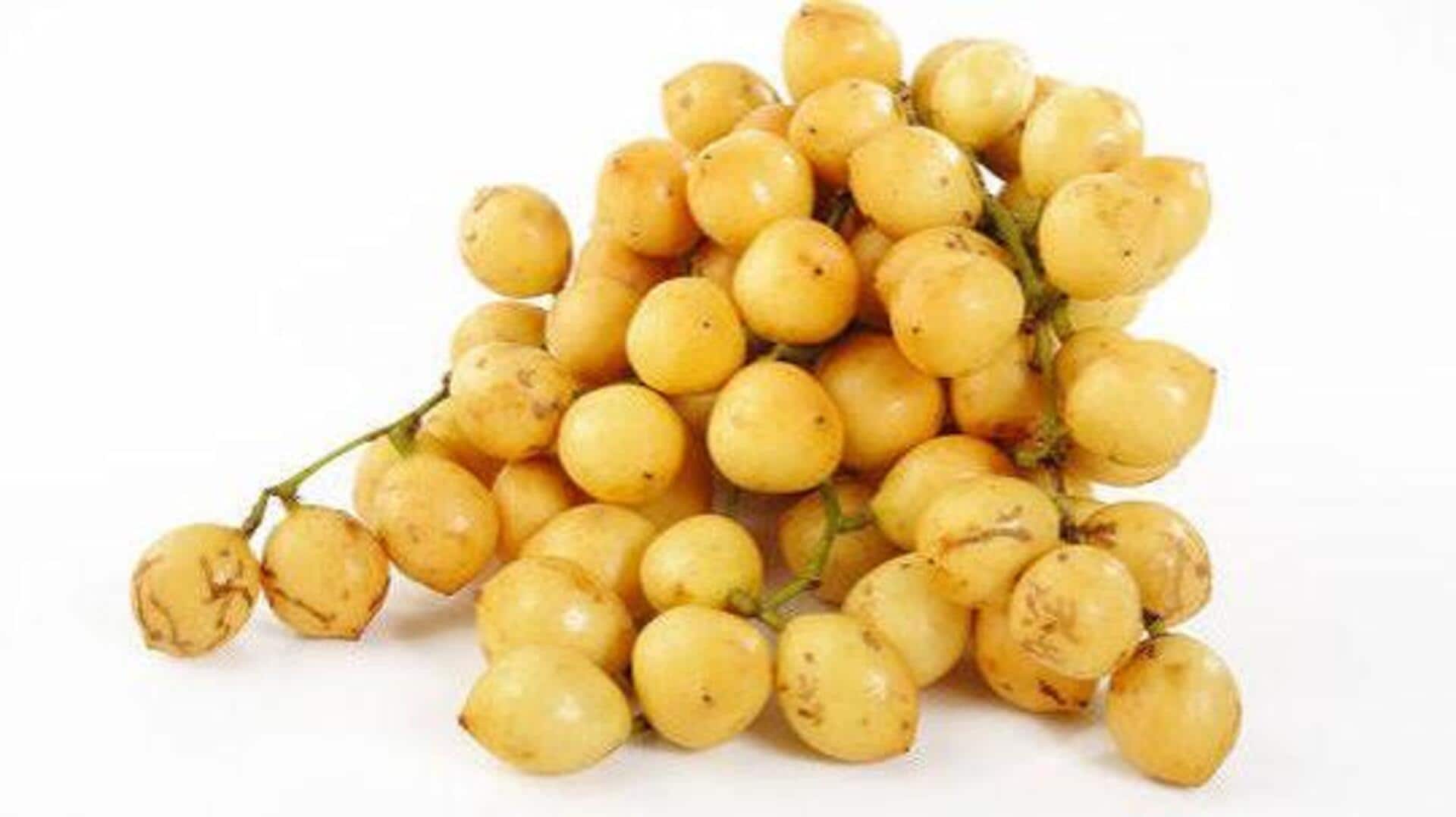
Meet Burmese grape, a lesser-known superfruit
What's the story
Burmese grape, or Baccaurea ramiflora, is a tropical fruit native to Southeast Asia. Famous for its unique taste and nutritional profile, the grape is often ignored outside its native region. The grape grows in clusters and has a sweet-sour taste that can be enjoyed fresh or used in various dishes. Apart from its culinary uses, Burmese grape is also packed with nutrients that can promote health.
#1
Nutritional profile of Burmese grape
Burmese grape is loaded with vitamins and minerals essential for good health.
It is rich in vitamin C, which boosts the immune system and promotes skin health.
The fruit also contains essential minerals, such as potassium and calcium, that promote heart health and bone strength.
Its fiber content helps with digestion and keeps you full.
#2
Health benefits of consuming Burmese grape
Regular consumption of Burmese grape can offer several health benefits.
The antioxidants present in the fruit help fight free radicals, reducing oxidative stress on the body. This may lower the risk of chronic diseases, such as heart disease and diabetes.
Furthermore, the anti-inflammatory properties of Burmese grape can aid in reducing inflammation-related conditions.
#3
Culinary uses of Burmese grape
Burmese grape can be enjoyed in a variety of culinary applications, thanks to its unique taste.
It can be eaten fresh as a snack or dessert, or added to salads for a tangy twist.
The fruit can also be cooked down into jams or jellies, or used as a topping for desserts like ice cream or yogurt.
Tip 1
Tips for selecting and storing Burmese grape
When selecting Burmese grapes at the market, look for firm clusters with plump berries that have a vibrant color.
Avoid any clusters that show signs of mold or excessive bruising.
To store them properly at home, keep them refrigerated in an airtight container to maintain freshness for up to one week.