What makes Cape Verdean culture so fascinating
What's the story
Cape Verdean culture is a beautiful blend of African and Portuguese influences, especially through morna music and visual art. Morna, often compared to the blues, is a soulful genre that expresses deep emotions and stories. Visual art in Cape Verde often reflects the vibrant landscapes and rich history of the islands. Together, they create a unique cultural identity that is both expressive and reflective of Cape Verde's heritage.
#1
The essence of morna music
Morna music is characterized by its slow tempo and melancholic melodies. It usually features instruments such as the guitar, violin, and cavaquinho.
The lyrics often deal with themes of longing, nostalgia, and love.
Famous Cape Verdean singer Cesaria Evora popularized morna internationally with her haunting voice and emotive performances.
Morna remains an integral part of Cape Verdean identity.
#2
Visual art in Cape Verde
Cape Verdean visual art also draws inspiration from the islands' natural beauty and cultural heritage.
Artists often use bright colors to depict scenes from everyday life or abstract representations of their emotions.
Painting, sculpture, and textile arts are popular forms of expression among local artists.
These artworks provide a glimpse into the diverse experiences that shape life in Cape Verde.
#3
Cultural festivals celebrating heritage
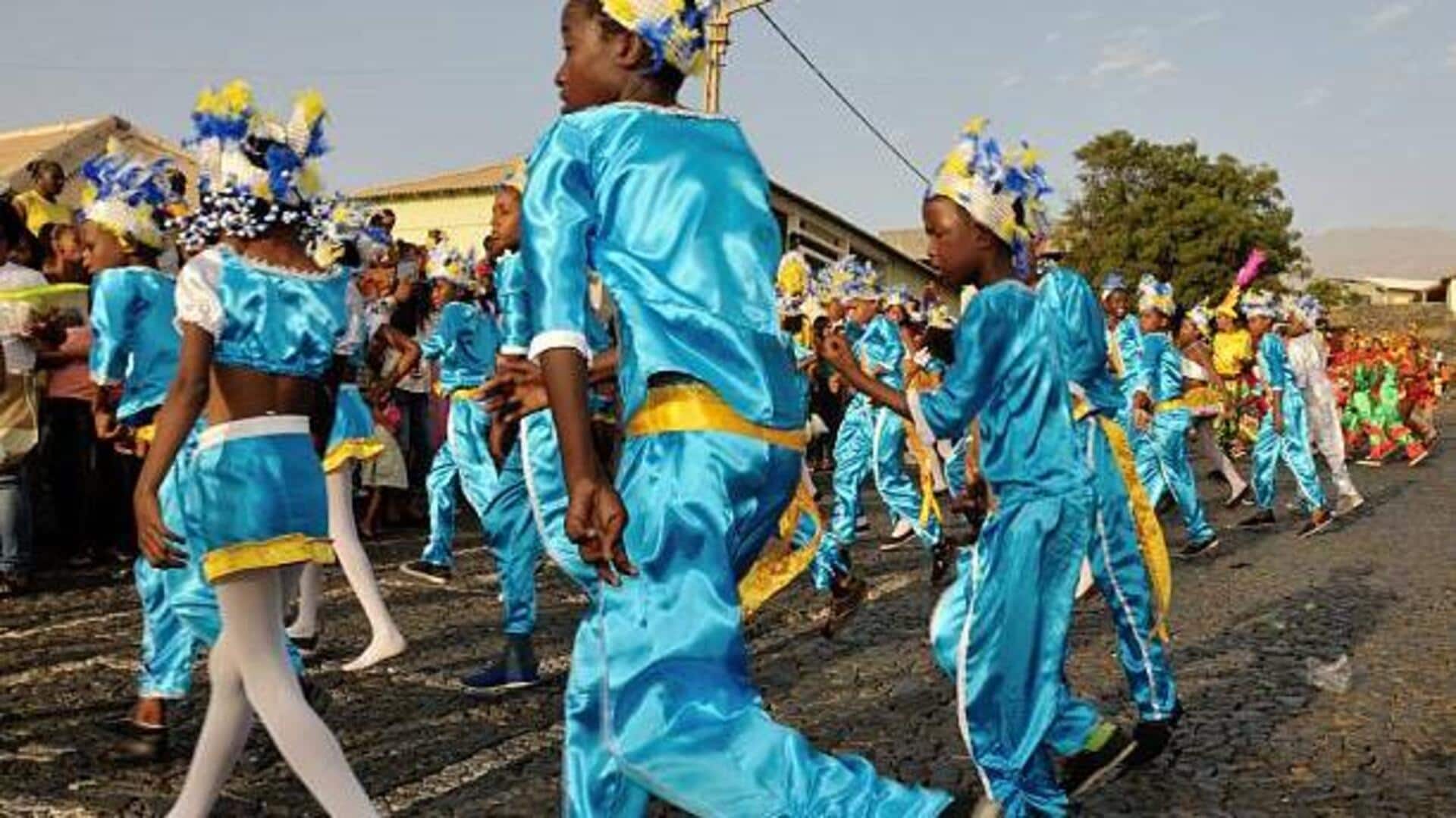
Cultural festivals in Cape Verde celebrate both morna music and visual art, bringing communities together to honor their traditions.
Events like the Baia das Gatas Festival attract locals and tourists alike, who come to enjoy live performances by renowned musicians while exploring exhibitions showcasing talented artists' work.
These festivals foster appreciation for the country's rich cultural tapestry.
#4
The impact on tourism and economy
The allure of morna music and visual art has also contributed to Cape Verde's growing tourism industry.
Tourists flock to experience authentic cultural encounters through concerts or gallery visits during their stay on these picturesque islands.
This influx supports local economies by creating jobs related to hospitality services, catering specifically toward visitors seeking immersive experiences rooted deeply within this vibrant culture.