Minimalist decor: How color psychology plays an important role
What's the story
Color psychology has a major role to play when it comes to minimalist home decor, affecting mood as well as perception. Knowing how different colors play a part in emotions can help homeowners design spaces that are visually appealing as well as functional. Since minimalism focuses on simplicity and clarity, color choices become all the more important. Here's how you can use colors effectively.
Neutrals
The calming effect of neutrals
Neutral colors such as white, beige, and gray are essentials in minimalist decor. These hues have a calming effect by making a space feel open and peaceful. They make for perfect backdrops for other elements in a room, letting furniture and accessories shine without overpowering. Neutrals also reflect light beautifully, making the rooms feel spacious and welcoming.
Subtle colors
Energizing with subtle pops of color
Incorporating subtle pops of color can energize a minimalist space without disrupting its harmony. Soft pastels or muted tones like sage green or dusty pink add interest while maintaining balance. These hues can be introduced through accent pieces such as cushions or artwork. They provide visual stimulation that complements rather than competes with the overall design.
Blue shades
Using blue for serenity
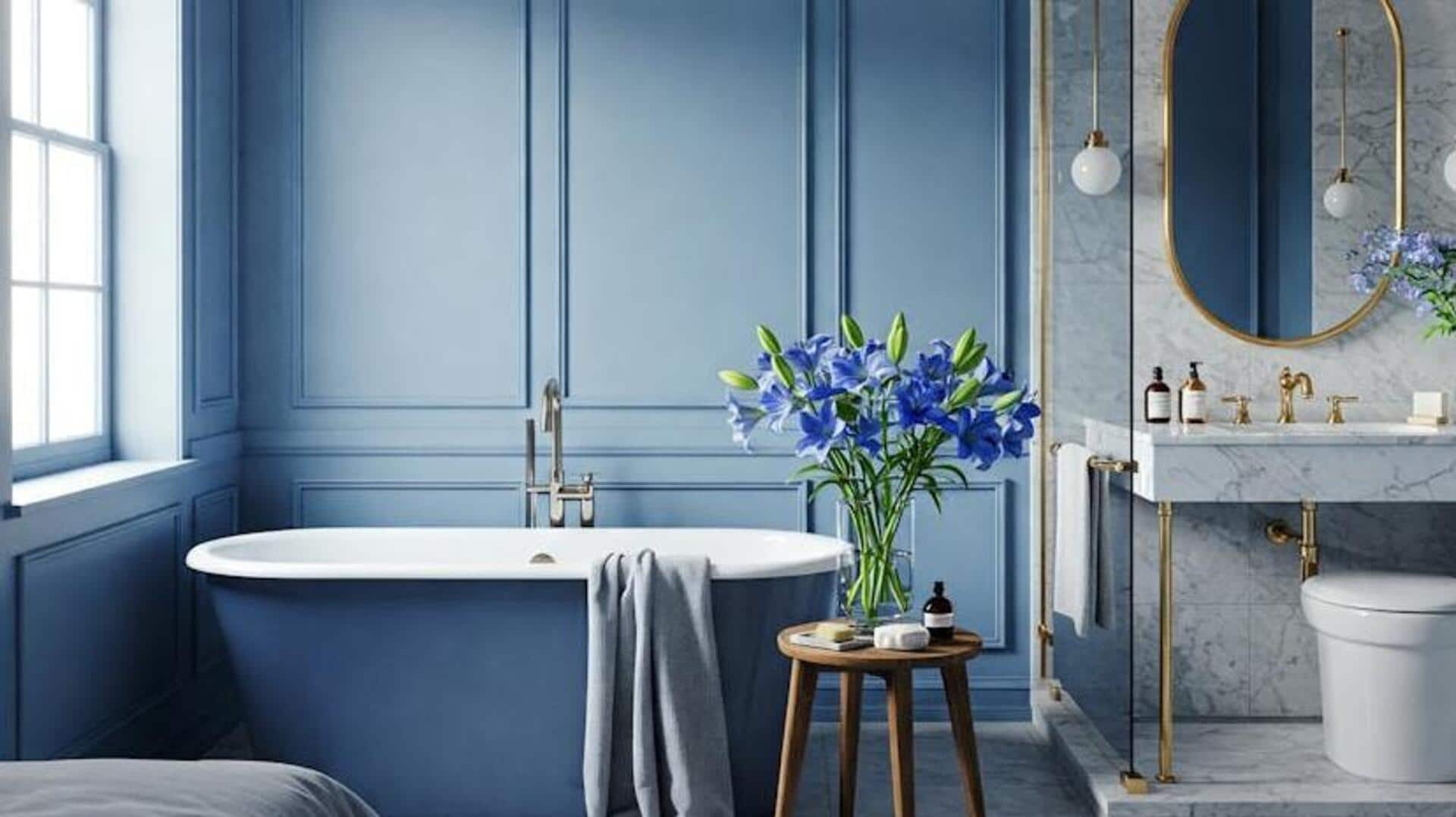
Blue is another color that has always been linked to serenity and calmness. It's an ideal choice for bedrooms or relaxation areas in a minimalist home. Light blues evoke feelings of peace and tranquility, while deeper shades offer sophistication without overpowering the space. Bringing the color into your house through textiles or wall paint can help you create an environment conducive to rest and reflection.
Earthy tones
Warmth through earthy tones
Earthy tones like terracotta or soft browns add warmth to minimalist spaces while keeping things simple. These colors bridge the gap between interiors and nature, creating a grounded atmosphere that remains welcoming but not too cluttered. Earthy hues look great on feature walls or via natural materials like wood furnishings to make things cozy without compromising on minimalism's core principles.