Why banana fiber is popular in sustainable crafts
What's the story
African banana fiber is a versatile and sustainable material, ideal for crafting unique art pieces. Sourced from the pseudostems of banana plants, this fiber is strong yet flexible. Artists and crafters can use it to create intricate designs that showcase the beauty of natural materials. Using banana fiber not only promotes eco-friendliness but also opens up new avenues for creativity in art-making.
#1
Understanding banana fiber's properties
Banana fiber is known for its durability and resistance to wear and tear.
It has a natural sheen that adds an aesthetic appeal to crafted items.
The fiber's tensile strength makes it ideal for creating detailed patterns without compromising on structural integrity.
Its lightweight nature allows for easy handling during the crafting process, making it a preferred choice among artisans.
#2
Techniques for crafting with banana fiber
Crafting with banana fiber involves several techniques: weaving, braiding, and knotting.
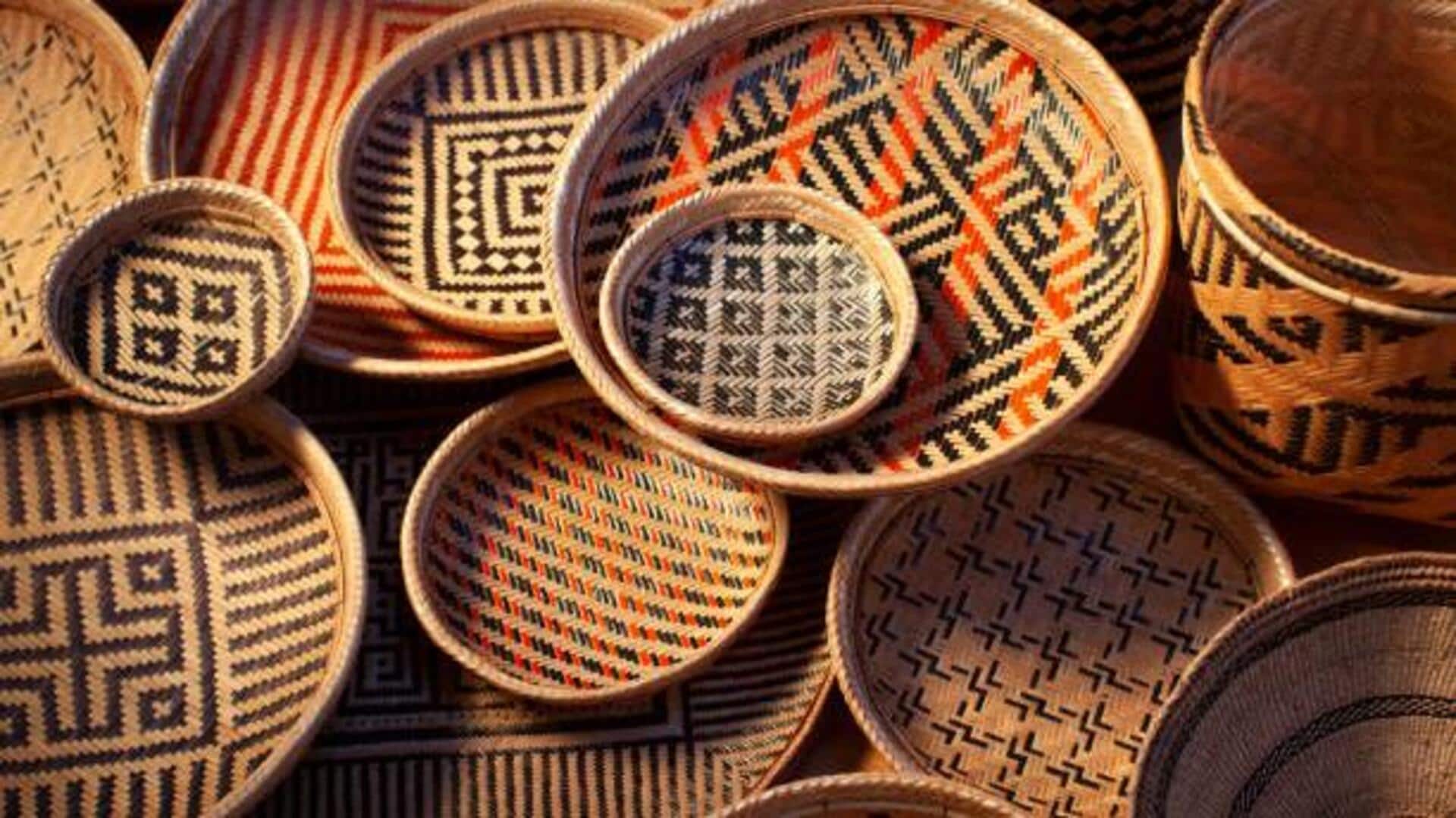
Weaving allows artists to create intricate patterns by interlacing strands of the fiber together.
Braiding adds texture and depth to the pieces by twisting multiple strands around each other.
Knotting provides versatility in design by securing sections of the fiber in place while adding decorative elements.
#3
Incorporating banana fiber into art pieces
Artists can incorporate banana fiber into various art pieces, sculptures, wall hangings, or even functional items like baskets or mats.
The natural color variations in banana fibers lend an organic touch to any creation.
By combining banana fiber with other materials like wood or clay, artists can create mixed-media artworks that highlight the unique qualities of each component.
#4
Sustainable benefits of using banana fiber
Using banana fiber in crafting promotes sustainability by reducing waste and supporting eco-friendly practices.
Since banana plants are abundantly cultivated across Africa, using their pseudostems ensures minimal environmental impact compared to synthetic materials production processes, which often involve harmful chemicals and excessive energy consumption.