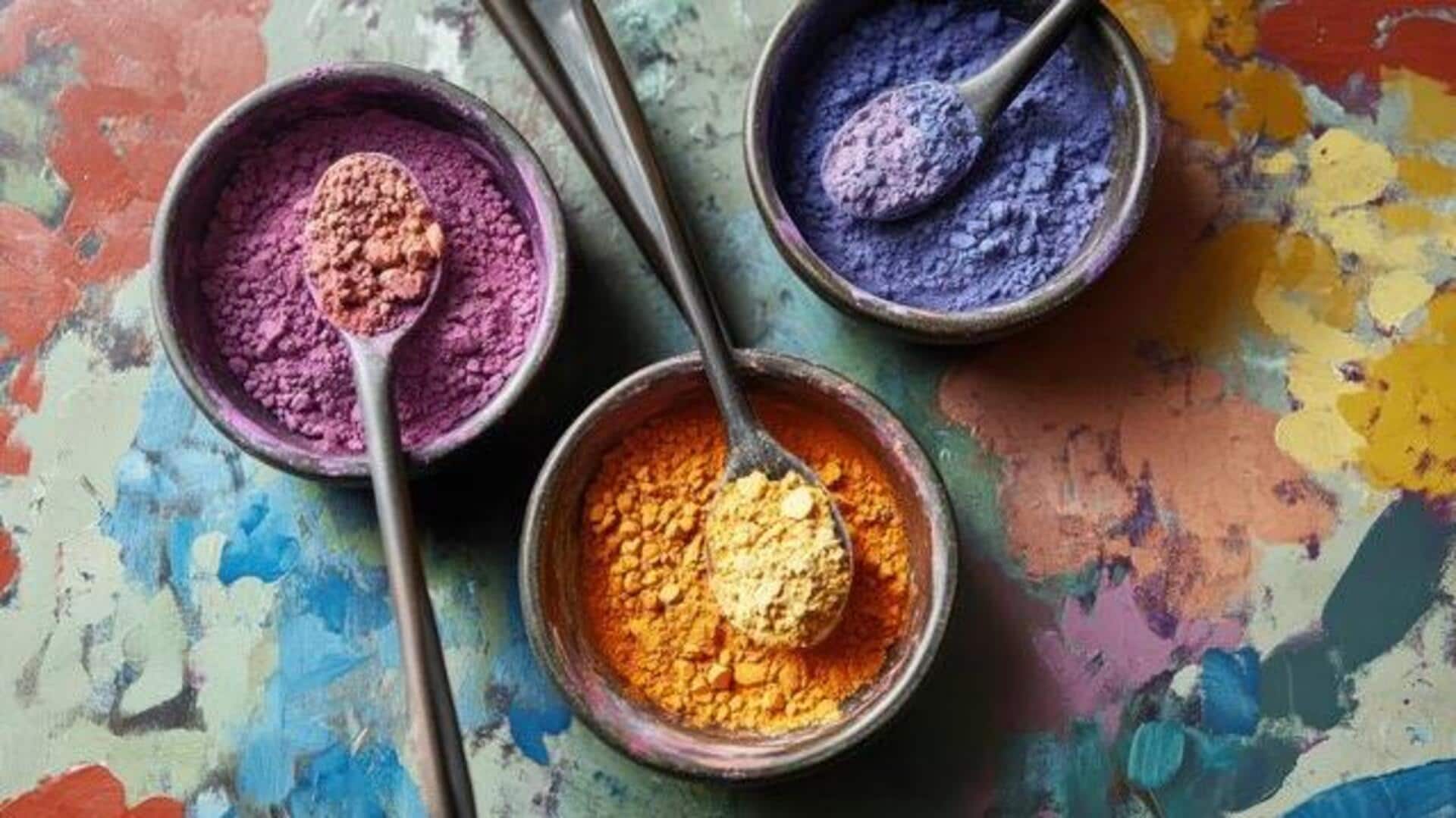
How to create art using natural earth pigments
What's the story
African earth pigments have been used for centuries to create vibrant, culturally rich artworks. These natural pigments, sourced from the soil, are a staple in many African art traditions. They provide a unique palette that reflects the colors of the landscape and carries cultural significance. Using these pigments, artists can create pieces that are not only visually striking but also deeply connected to African heritage.
Tip 1
Sourcing quality earth pigments
To source quality earth pigments, visit regions known for their rich soil deposits. Areas with red ochre or yellow clay are ideal.
Ensure the soil is free from contaminants by washing it thoroughly before use. Collect small amounts to test different hues and textures.
Local markets or artisan shops often sell processed versions of these pigments at reasonable prices.
Tip 2
Preparing pigments for use
Preparing earth pigments involves grinding them into a fine powder using a mortar and pestle.
Mix the powdered pigment with water or natural binders like gum arabic to create a paste suitable for painting.
Experiment with different ratios to achieve desired shades and consistency.
Store prepared mixtures in airtight containers to maintain freshness.
Tip 3
Techniques for applying pigments
Applying earth pigments can be done using traditional brushes made from animal hair or plant fibers.
For detailed work, fine brushes are preferred, while larger areas can be covered with broader strokes using flat brushes or fingers.
Layering techniques allow artists to build depth and texture in their artwork, enhancing visual impact.
Tip 4
Understanding cultural significance
Understanding the cultural significance of each pigment is key to creating meaningful art.
Some colors may symbolize fertility, while others could represent protection or spirituality within various African communities.
Researching these meanings helps artists connect their work with cultural narratives and traditions, adding another layer of depth to their creations.