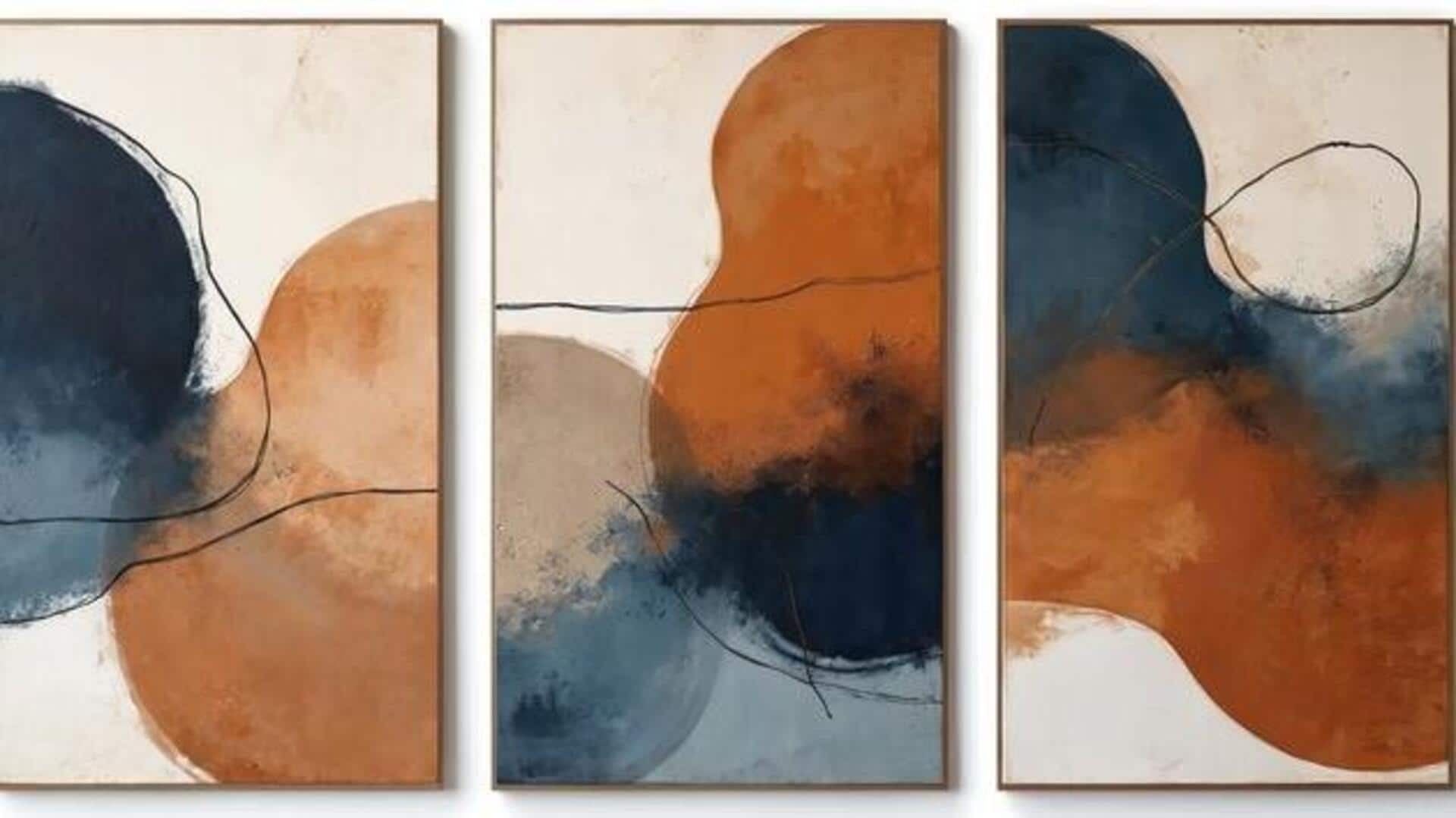
How to create stunning batik wall art
What's the story
African batik wall art is a beautiful way to add a touch of culture and color to your home. Using natural dyes, you can create stunning designs that reflect the rich traditions of African art. Not only does this technique allow for creativity, but it also connects you with the environment by using eco-friendly materials. Here are some insights into creating your own batik art using natural dyes.
Fabric selection
Choosing the right fabric
Selecting the right fabric is key to creating beautiful batik art. Cotton is the most preferred choice, as it absorbs dyes well and is easy to work with. However, silk or linen can also be used for a different texture and appearance. Make sure the fabric is pre-washed to remove any finishes that may hinder dye absorption.
Dye preparation
Preparing natural dyes
Natural dyes can be prepared from a variety of sources, like plants, fruits, and vegetables. For instance, turmeric can give you a bright yellow shade, while hibiscus flowers can give you shades of red or pink. Boil these materials in water until you achieve your desired color intensity. Strain out solid particles before using them on your fabric.
Wax application
Applying wax resist technique
The wax resist technique is what makes batik unique. Melt paraffin wax or beeswax and apply it on areas of your fabric where you want to resist dye penetration. Use a brush or a tjanting tool for detailed designs. Once the wax cools down, your design will be protected from subsequent dye applications.
Dye application
Dyeing your fabric
After applying wax, immerse your fabric in natural dye baths according to the colors you want. Leave it in until you achieve the desired shade intensity, before removing it from the bath. Rinse with cold water to stop further dyeing processes.
Wax removal
Removing wax safely
Once you are done dyeing, it is time to remove the wax safely without damaging the artwork underneath. Place the dried piece between layers of paper towels, and iron on low heat until all wax has been absorbed by the towels. This leaves behind a clear, crisp image ready for display.