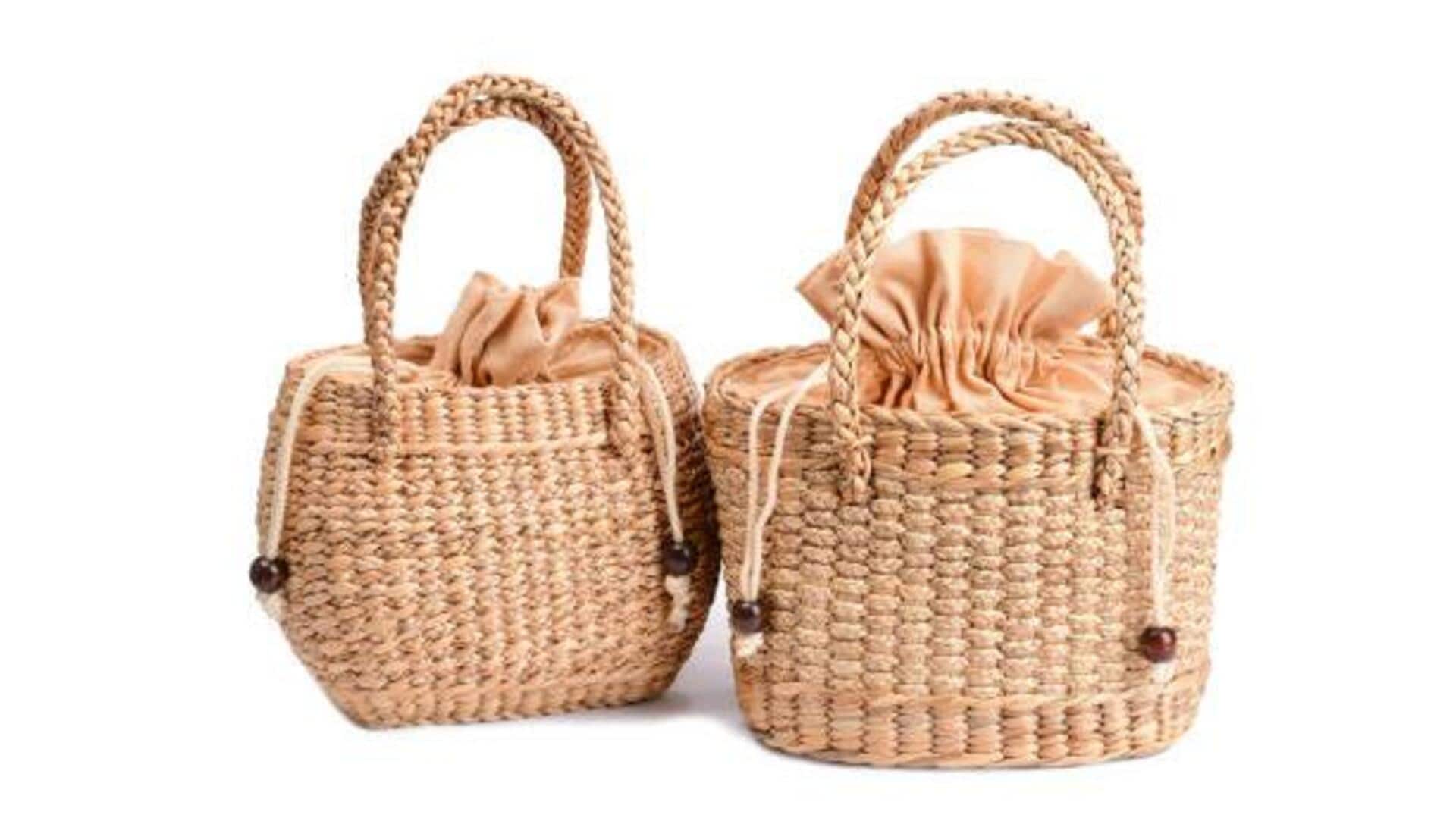
Handcrafted basket bags: A DIY guide
What's the story
African basket bags are a beautiful blend of culture and craftsmanship. Made from natural materials, these bags are not just stylish but also eco-friendly. The art of making these bags has been passed down generations, with each region having its own unique style and technique. Using locally sourced materials, artisans create colorful, durable bags that are perfect for everyday use or special occasions.
Tip 1
Selecting natural materials
Choosing the right materials is key to making durable African basket bags.
Commonly used materials include sisal, raffia, and palm leaves. These are not only sustainable but also lend strength and flexibility to the bag.
When selecting these materials, make sure they are clean and free from defects to ensure the quality of the final product.
Tip 2
Weaving techniques for durability
Weaving techniques differ across regions, but all aim to make strong, yet flexible bags.
Coiling and twining are two common methods used in the process. Coiling involves wrapping the material around a core, while twining involves interlacing two or more strands together.
Both methods ensure that the bag retains its shape while being able to withstand daily wear and tear.
Tip 3
Incorporating vibrant colors
Color plays an important role in the appeal of African basket bags.
Natural dyes from plants, fruits, and vegetables are used to add vibrant hues without harming the environment.
Experimenting with different dyeing techniques can help create unique patterns that add to the bag's aesthetic appeal.
Tip 4
Finishing touches for appeal
The finishing touches can elevate an African basket bag's overall appeal.
Adding handles made from leather or fabric can make it more comfortable to carry around.
Decorative elements like beads or embroidery can also add an extra layer of charm, without compromising on functionality.