What you should know about digital wallets in India
What's the story
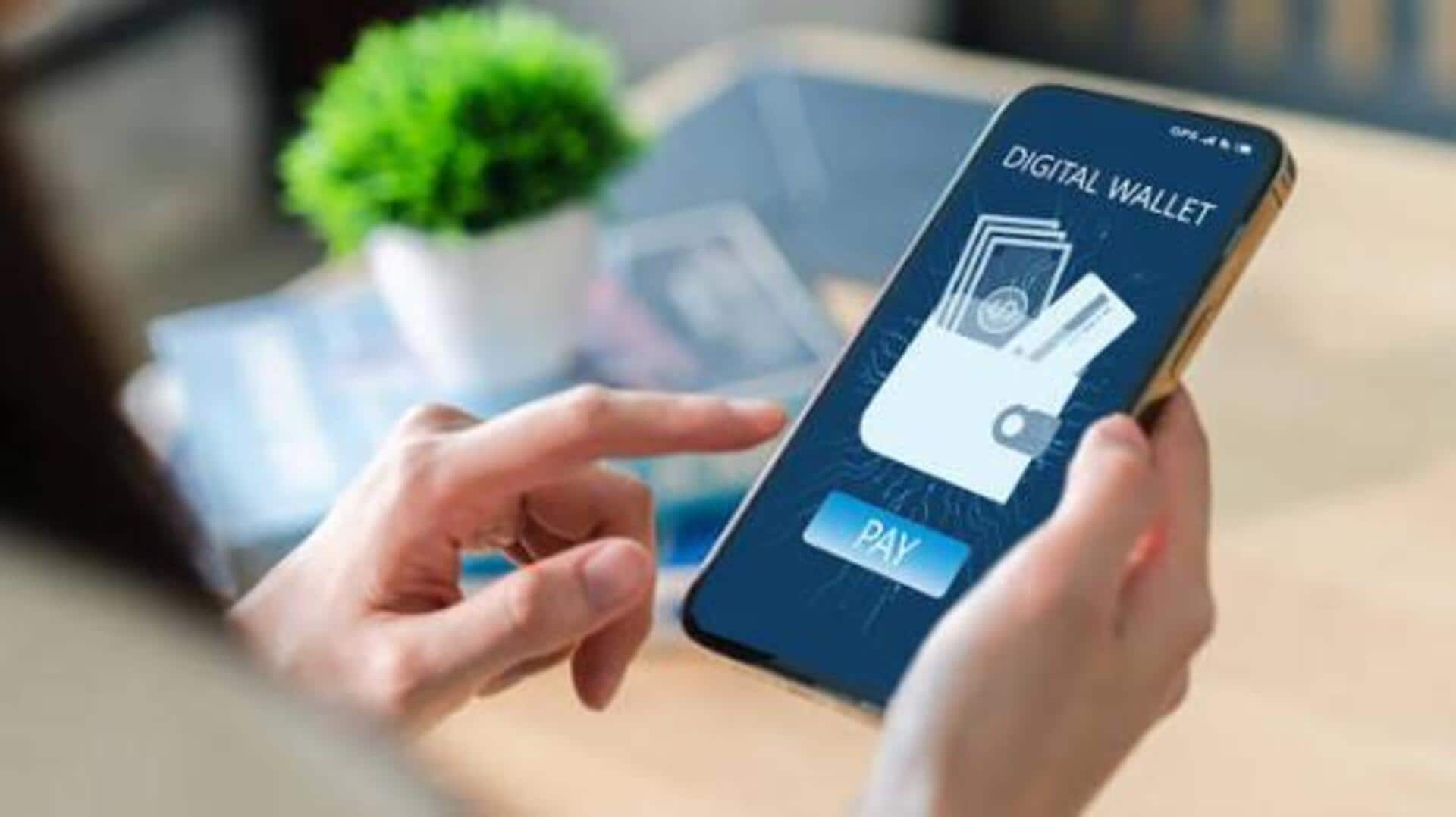
Digital wallets have become an integral part of our lives, making transactions easier and faster. In India, the adoption of digital wallets has skyrocketed, thanks to the increasing smartphone penetration and internet access. These wallets let you store money digitally and make payments for a range of services. Here is a look at the different types of digital wallets in India, and how you can use them.
Mobile wallets
Mobile wallets: A convenient option
Mobile wallets are apps that let you store money on your phone. They allow you to pay bills, recharge mobile numbers, and transfer money to others with just a few taps.
Popular mobile wallets in India include Paytm, PhonePe, and Mobikwik.
These apps usually come with cashback offers and discounts, which make them an attractive option for everyday transactions.
Bank-linked wallets
Bank-linked wallets: Direct connectivity
Bank-linked wallets are directly connected to your bank account. This way, you can transfer money between your bank account and wallet without any hassle.
They are usually more secure, as they require two-factor authentication for transactions.
Examples include Google Pay and Amazon Pay. These wallets also support UPI (Unified Payments Interface) transactions for instant payments.
Prepaid cards
Prepaid cards: A physical touch
Prepaid cards are physical cards that you load with money beforehand. They work like debit or credit cards but without linking to a bank account.
You can use them for online shopping or at retail stores where card payments are accepted.
Some popular prepaid card options in India include PayPal's prepaid MasterCard and HDFC Bank's prepaid gift cards.
Cryptocurrency wallets
Cryptocurrency wallets: Digital assets management
Cryptocurrency wallets let you store digital currencies like Bitcoin or Ethereum securely.
They come in two forms: hot wallets (online) and cold wallets (offline storage devices).
While hot wallets provide easy access for trading purposes, cold wallets offer enhanced security against hacks or thefts.
Examples include Binance Wallet, Coinbase Wallet, and Ledger Nano S, etc.