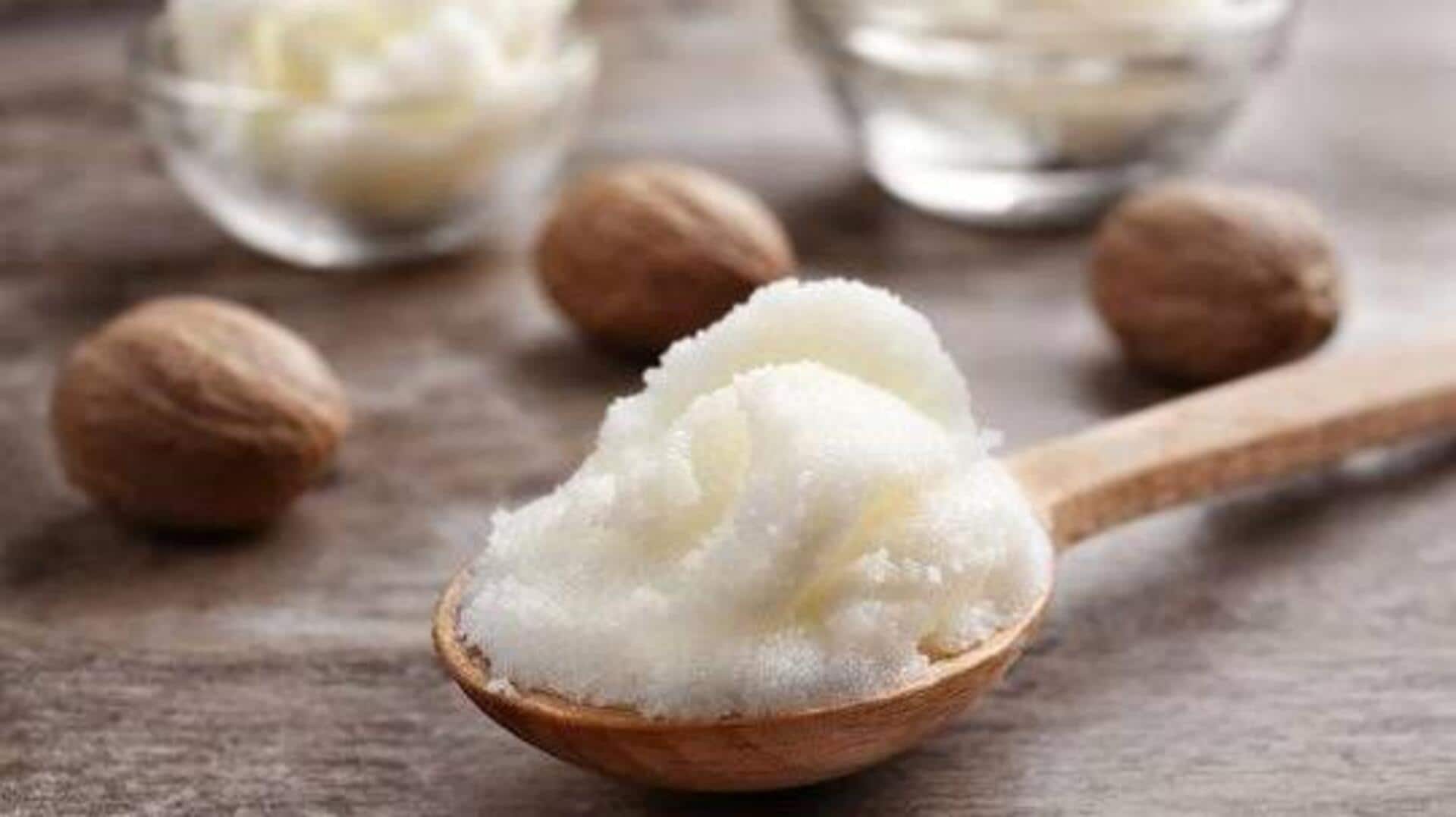
Shea butter: The age-old beauty ingredient
What's the story
The Sahel region of Africa is famous for its rich cultural heritage and natural resources. One such resource is the shea butter, which has been used for centuries in skincare. Extracted from the nuts of the shea tree, which grows across West Africa, shea butter is renowned for its moisturizing and healing properties. Here's a look at how shea butter is extracted, and its significance in Sahelian skincare traditions.
#1
Traditional extraction methods
In Sahel, shea butter extraction is a community activity passed down generations.
The nuts are collected from wild shea trees and dried under the sun.
Once dried, they are crushed into a paste and then heated to separate the oil from the solid residue.
This traditional method preserves the natural qualities of the butter, making it ideal for skin care.
#2
Nutritional benefits of shea butter
Shea butter is loaded with vitamins A and E, which are essential for healthy skin.
These vitamins help in nourishing and protecting the skin from environmental damage.
Shea butter also contains fatty acids that keep the skin moisturized and supple.
Its anti-inflammatory properties make it an ideal choice for treating minor burns, rashes, and other skin irritations.
#3
Economic impact on local communities
The production of shea butter provides a source of income for many communities in the Sahel region.
Women, who are mostly responsible for processing the nuts into butter, earn money by selling their products locally and internationally.
This economic activity not only supports families but also helps preserve traditional practices that have been followed for centuries.
#4
Modern uses and global demand
In recent years, global demand for shea butter has skyrocketed as more people discover its benefits in skincare products, such as lotions, creams, and soaps.
Many cosmetic companies source shea butter from West Africa to meet consumer demand while ensuring fair trade practices support local producers.
This growing market highlights both the cultural significance and economic potential of this natural resource.