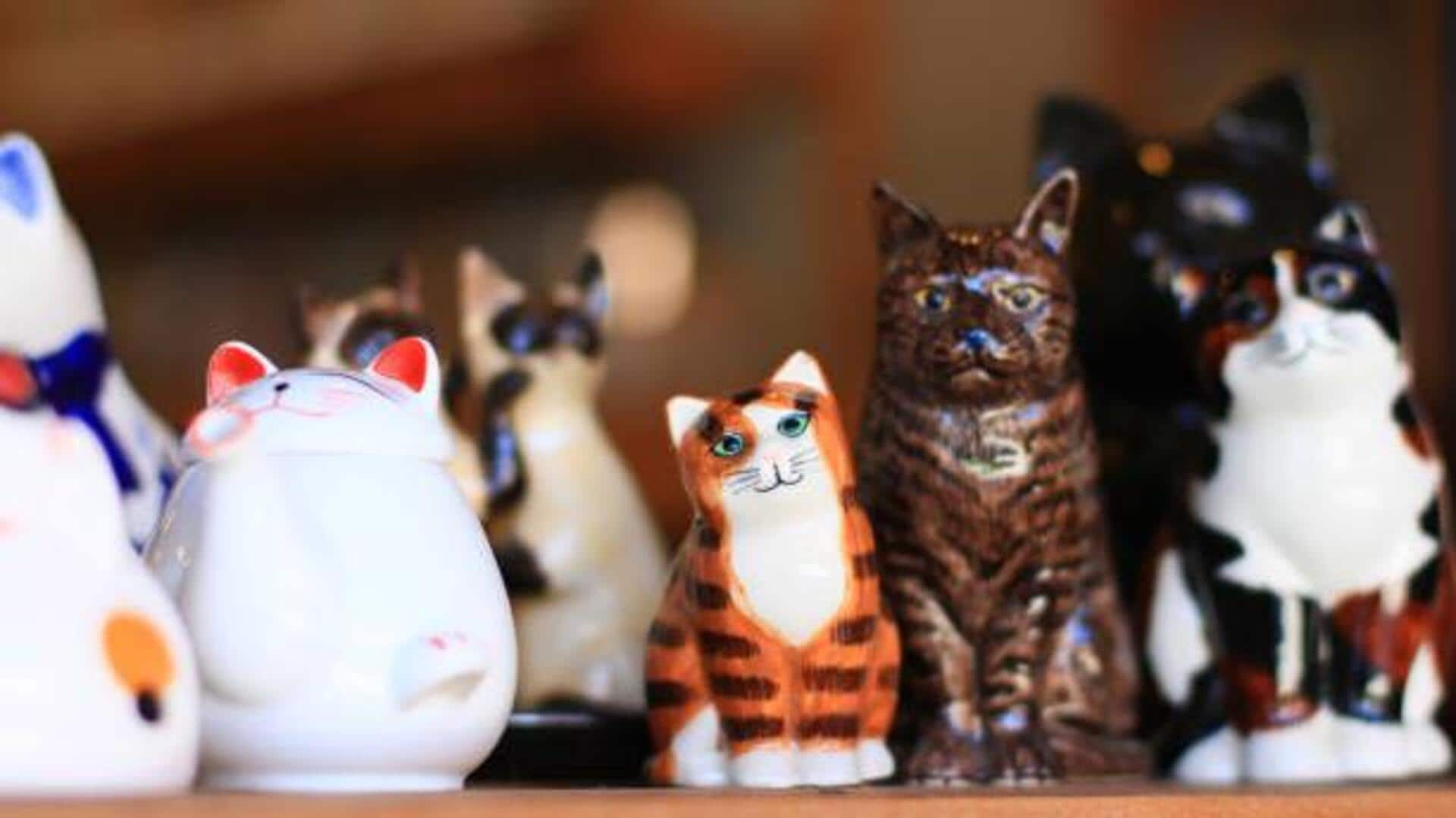
DIY ceramic figurines: Tips and techniques
What's the story
African ceramic figurines are famous for their unique designs and cultural significance. They are a great way to explore African art and culture. With some basic materials and a little creativity, you can create your own figurines at home. This DIY guide will take you through the steps of making these beautiful pieces, giving you an insight into the techniques used by artisans across Africa.
Materials needed
Gather your materials
To start, you'll need clay, sculpting tools, a rolling pin, water, and a kiln (or oven for low-fire clay).
These materials are easily available at craft stores or online. Choose air-dry clay if you don't have access to a kiln.
It is important to have everything ready before you start to ensure a smooth crafting process.
Shaping process
Sculpting your figurine
Start by kneading the clay until it's soft and pliable.
Use the rolling pin to flatten the clay into sheets of even thickness.
Shape the body parts separately (head, torso, limbs) before joining them together with water as an adhesive.
Pay attention to proportions and details like facial features or patterns that reflect traditional African designs.
Detailing techniques
Adding details and texture
Once the basic shape is ready, it's time to add intricate details using sculpting tools or household items like forks or toothpicks.
Create textures by pressing patterns onto the surface with these tools.
You can also use different colored clays for added visual interest by layering them during the sculpting process.
Final steps
Drying and finishing touches
After completing your figurine, let it dry completely if using air-dry clay; this may take 24 hours depending on thickness.
If using kiln-fired clay, follow specific instructions for firing temperatures appropriate for your type of clay.
Once dried or fired, paint your figurine with non-toxic paints if desired; seal with varnish for durability.