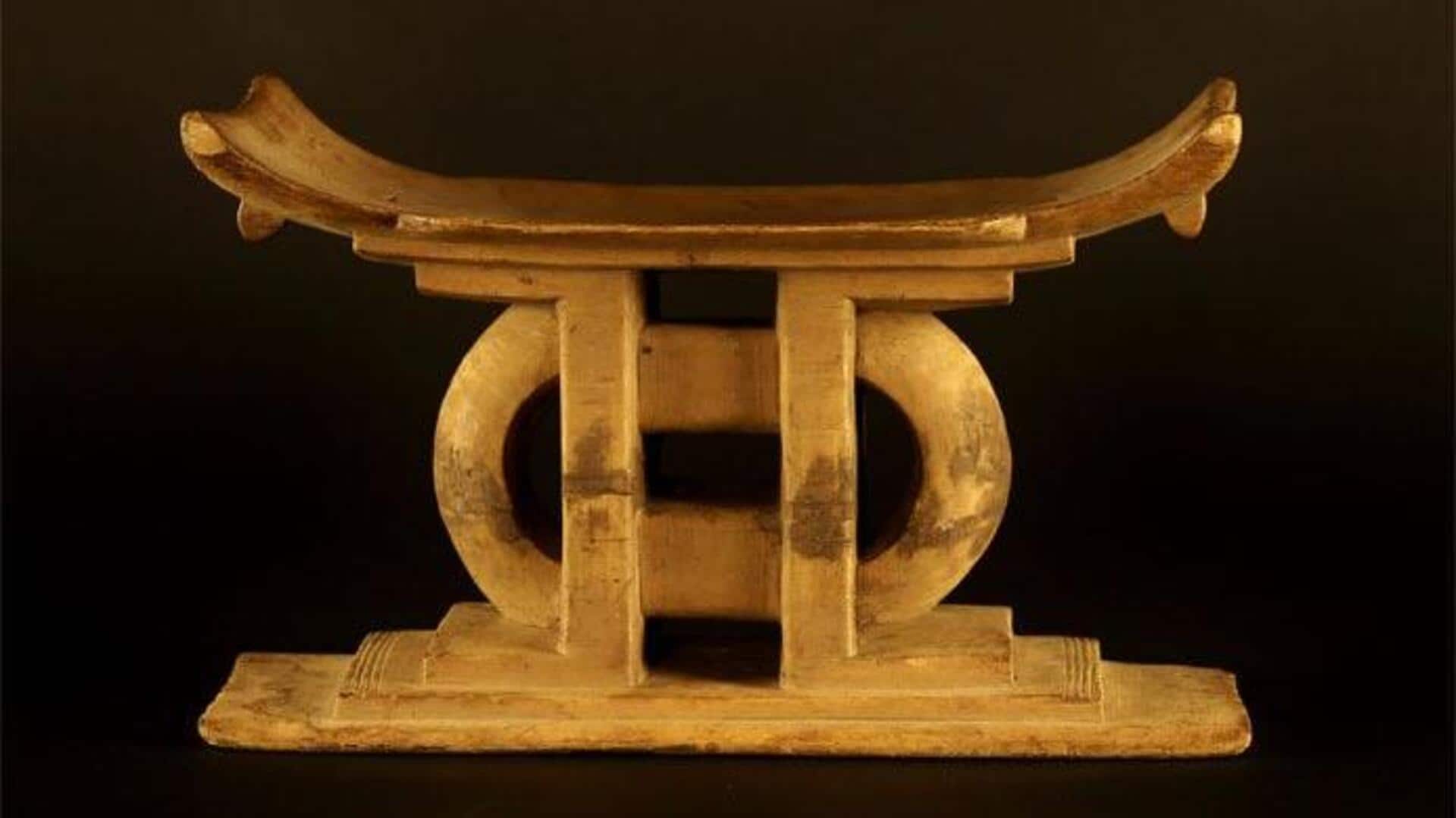
Asante stools: How to craft this iconic piece
What's the story
Creating an Asante stool is a rewarding project that connects you with African craftsmanship. These stools, known for their unique design and cultural significance, are a testament to traditional woodworking skills. By following a few basic steps, you can craft your own version of this iconic piece. Whether you are an experienced woodworker or a beginner looking to explore new techniques, this guide provides essential insights into making an authentic Asante stool.
Tip 1
Selecting the right wood
Choosing the right wood is critical for making an Asante stool. Traditionally, hardwoods like mahogany or teak are used because of their durability and resistance to wear. These woods also have the right density to hold weight without bending or breaking. When selecting wood, ensure it is free from knots and defects, which could compromise the stool's structural integrity.
Tip 2
Understanding traditional design
The design of an Asante stool is characterized by its unique shape and symbolic carvings. Familiarize yourself with traditional designs by researching images or visiting museums showcasing African art. Pay attention to the proportions and details that make each piece unique. Understanding these elements will help you create a stool that honors its cultural heritage while allowing for personal creativity.
Tip 3
Tools and materials needed
Gathering the right tools and materials is essential before starting your project. Basic tools include a saw, chisel set, sandpaper, and wood glue. Ensure you have all necessary safety equipment, like goggles and gloves, to protect yourself during the process. Quality materials will not only make your stool look good, but also make it last longer.
Tip 4
Step-by-step crafting process
Start by sketching out your design on paper before transferring it onto the wood with pencil marks as guides during carving. Use chisels carefully to carve out intricate patterns without damaging surrounding areas of the wood piece being worked on, and sand down rough edges once complete so surfaces feel smooth against skin when touched later down the line after assembly has taken place successfully too!