Healthy fats v/s bad fats: A simple guide
What's the story
For years, we've been told that eating fat makes you fat, but that's not entirely true. The body requires fat for a number of functions, like absorbing vitamins and producing hormones. Knowing the difference between healthy and unhealthy fats can help you make better dietary choices. This article delves into how fats work in the body and why they aren't the enemy they're made out to be.
#1
Understanding different types of fats
Fats are classified into three categories: saturated, unsaturated, and trans fats.
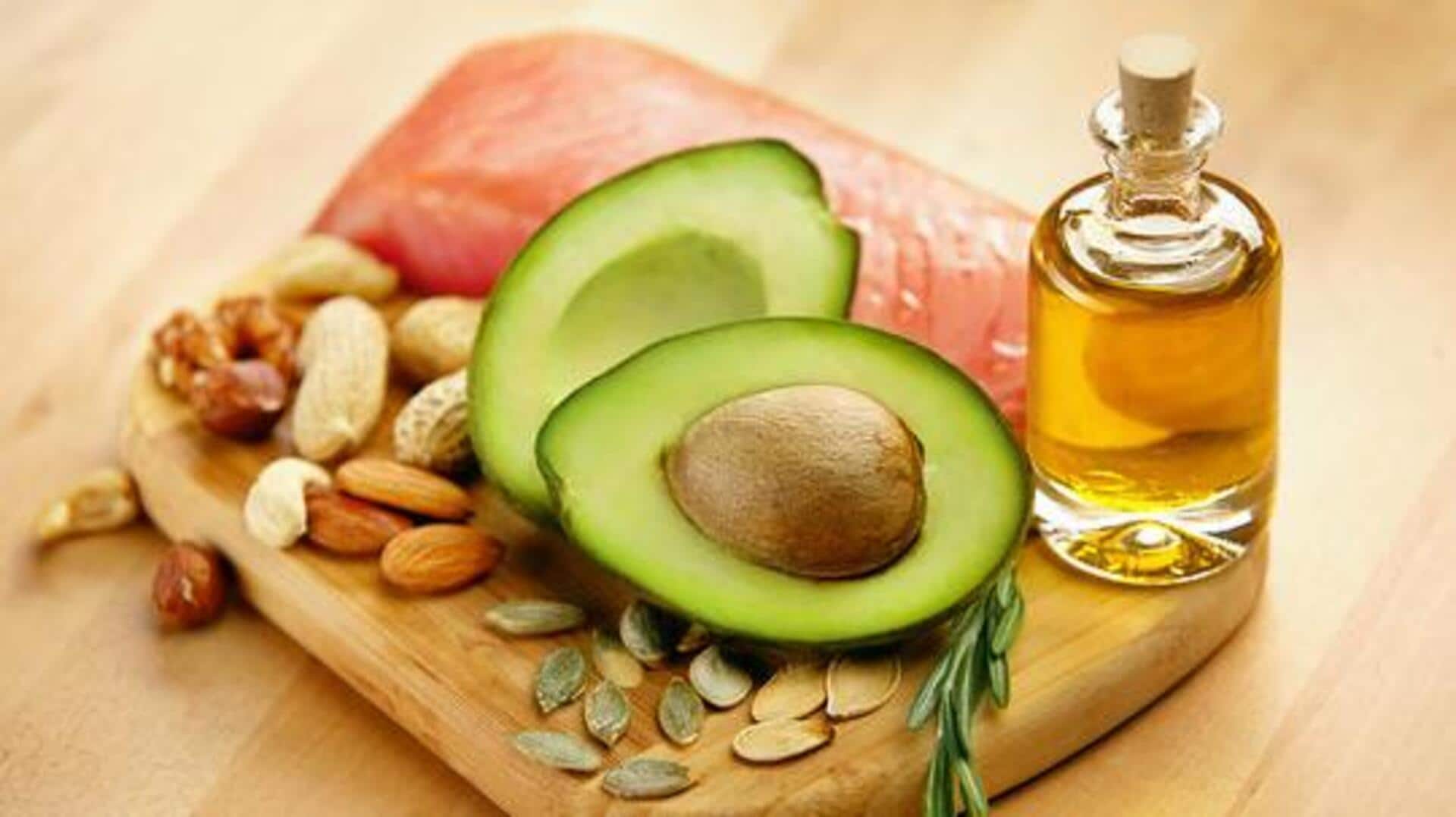
Unsaturated fats (found in nuts, seeds, and avocados) are good for you.
Saturated fats (found in dairy and coconut oil) should be consumed in moderation.
Trans fats (found in processed foods) should be avoided as much as possible as they're linked to heart disease.
#2
The role of fat in nutrition
Fats are an important source of energy, giving nine calories per gram as compared to four calories per gram for proteins and carbohydrates.
They help absorb fat-soluble vitamins A, D, E, and K.
Fats also help keep your skin healthy and your cells functioning properly.
Including healthy fats in your diet can help you stay energized all day.
#3
Debunking common myths about fat
One common myth is that all fats make you gain weight.
While overeating any macronutrient can lead to weight gain, moderate consumption of healthy fats doesn't contribute to obesity when paired with a balanced diet.
Another myth is that eating fat raises cholesterol levels significantly; however, dietary cholesterol has a minor effect on blood cholesterol for most people.
Tip 1
Tips for incorporating healthy fats into your diet
To add healthy fats into your diet without overdoing it, try cooking with olive oil instead of butter or margarine.
Snack on almonds or walnuts instead of chips or cookies for a healthier option.
Add avocado slices onto toast or salads for creaminess without added sugars or unhealthy additives commonly found in spreads like butter/margarine blends available commercially today.