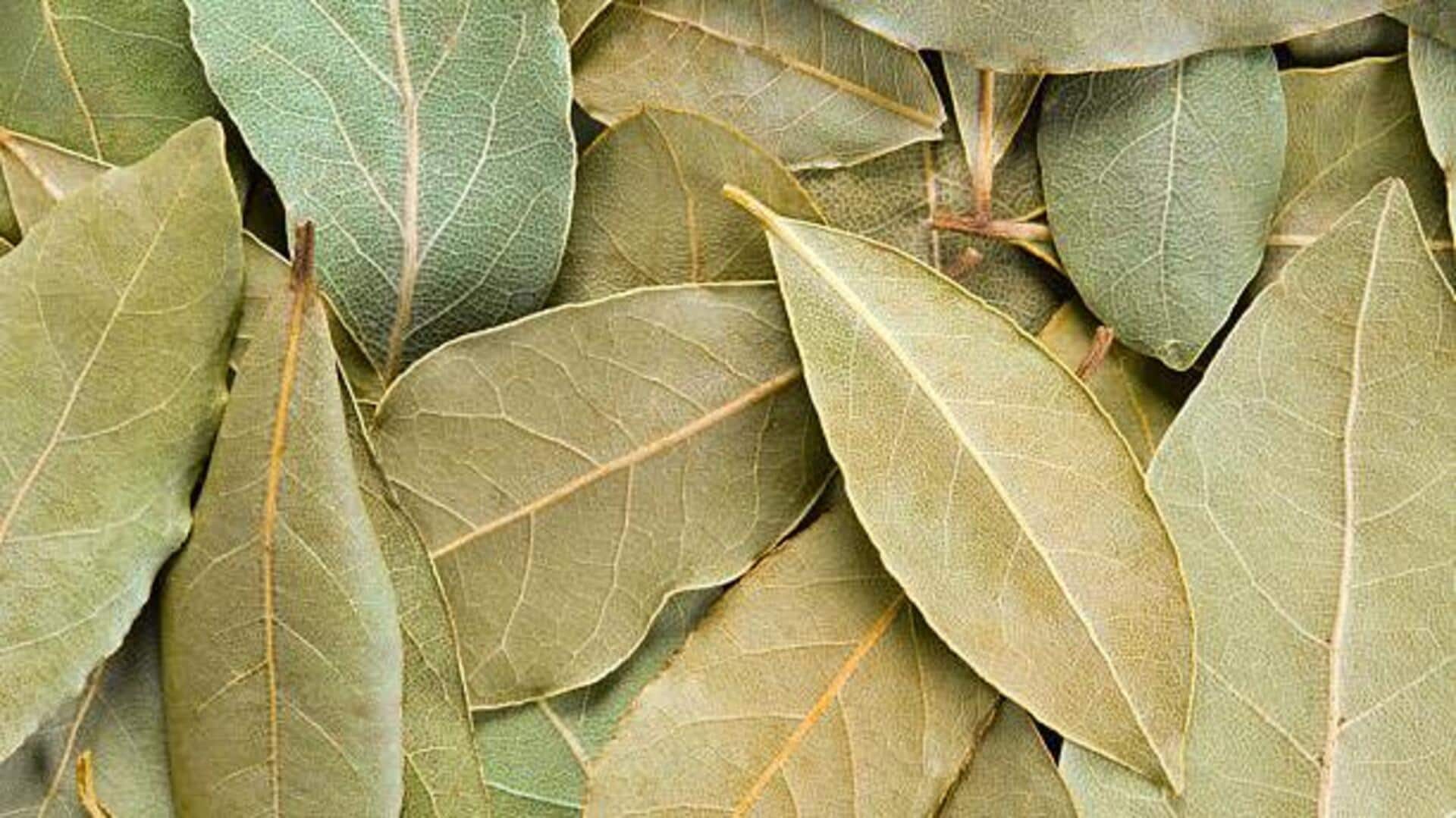
Know your bay leaves: Types and culinary uses
What's the story
Bay leaves are a staple in vegetarian cooking, adding a subtle depth of flavor to a variety of dishes. These aromatic leaves are used in soups, stews, and rice dishes, enhancing the overall taste without overpowering other ingredients. Knowing the different types of bay leaves and their culinary applications can help you make the most of this essential herb. Here are five must-have bay leaves for vegetarian cooking.
#1
Turkish bay leaves: A versatile choice
Turkish bay leaves are widely used in vegetarian cooking due to their mild flavor.
They are ideal for slow-cooked dishes such as soups and stews, where they can infuse their aroma over time.
The leaves' subtle taste makes them a perfect match for vegetable broths and rice pilafs.
Turkish bay leaves are easily available and make an excellent addition to any kitchen pantry.
#2
California bay leaves: Stronger aroma
California bay leaves have a stronger aroma than their Turkish counterparts.
They lend a more intense flavor to vegetarian dishes, making them ideal for hearty soups and robust stews.
The distinct fragrance of California bay leaves can elevate the taste of bean dishes or lentil soups.
However, because of their potency, it's best to use them sparingly.
#3
Indian bay leaves: Unique flavor profile
Indian bay leaves (from the Cinnamomum tamala tree) have a unique flavor profile with hints of cinnamon and clove.
They are commonly used in Indian cuisine for biryanis and curries, giving an aromatic touch that goes well with spices.
Indian bay leaves can also be used in Western-style vegetable casseroles for an exotic twist.
Tip 1
Fresh vs dried bay leaves: Which to choose?
While fresh bay leaves have a more vibrant aroma than dried ones, they are not always available year-round.
Dried bay leaves are more convenient and have a longer shelf life but may lose some of their potency over time.
For best results in vegetarian cooking, store dried bay leaves in an airtight container away from light to preserve their flavor.
Tip 2
Tips for using bay leaves effectively
To get the best flavor out of bay leaves without overpowering your dish, add them at the start of cooking so their essence can meld with other ingredients over time.
Always remove them before serving as they remain tough even after cooking.
Experiment with different types based on your recipe's needs, balancing flavors with other herbs like thyme or rosemary if desired.