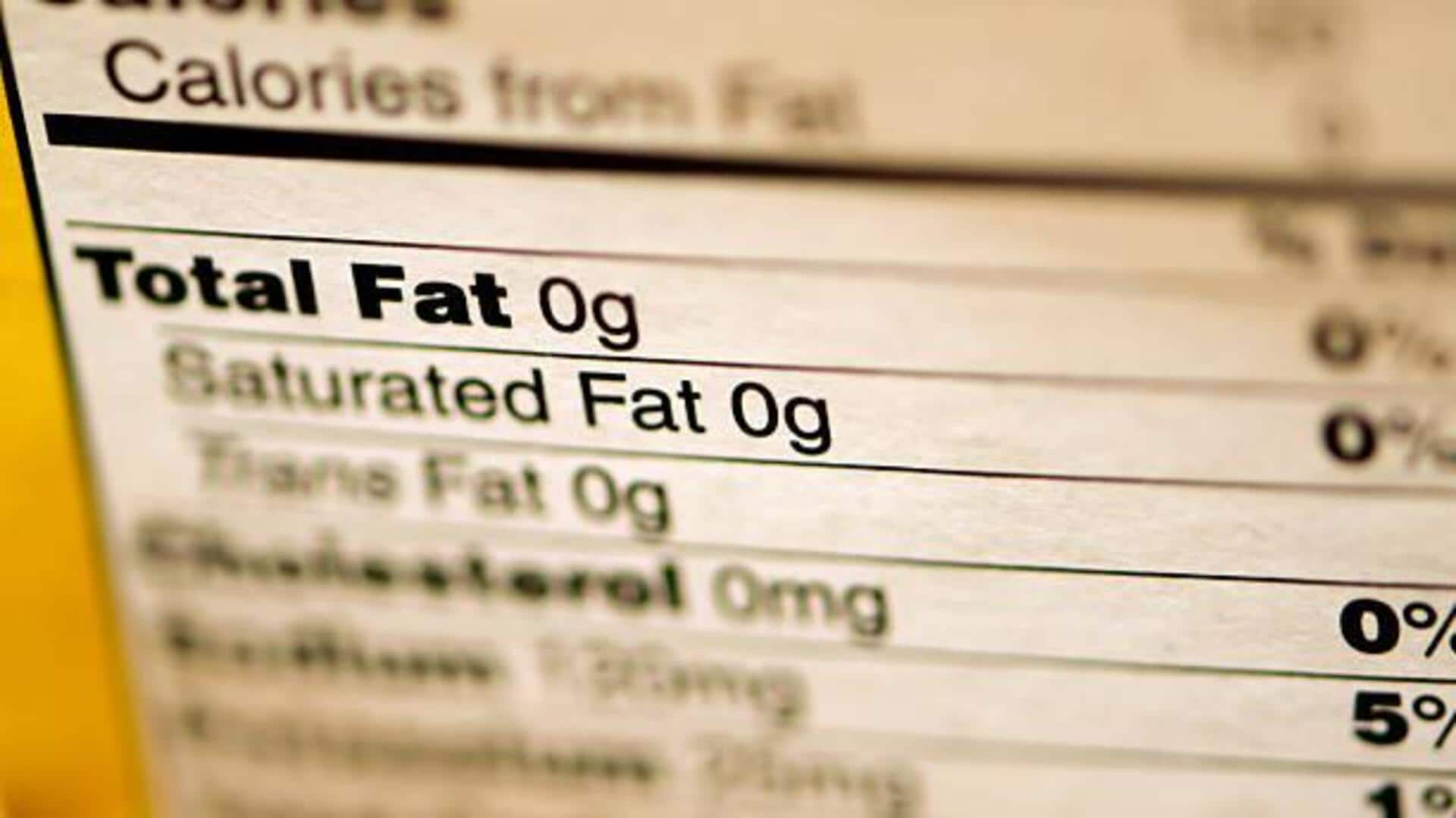
Truth about fat-free foods: Myths v/s facts
What's the story
Fat-free foods are often marketed as the healthier option, but that is not always the case. These products can be misleading, making you think you are making a healthier choice when you may not be. Knowing the truth behind fat-free foods can help you make better dietary choices. This article delves into the common misconceptions about fat-free foods and what they really mean for your health.
Sugar Insight
The truth about added sugars
Often, fat-free foods have added sugars to make up for the taste lost when fat is removed. These sugars can add a lot of calories and may lead to weight gain if consumed in excess. For instance, yogurt labeled fat-free may have more sugar than its full-fat counterpart. It's important to read labels carefully and consider the sugar content when choosing these products.
Nutrient awareness
Nutrient loss in fat-free products
When manufacturers take out fat from dairy products, they often also take out some essential nutrients that come with it. Vitamins A and D are some of the nutrients that are usually present in full-fat dairy, but may be less in fat-free versions unless they are fortified again. This nutrient loss can make fat-free options less beneficial than full-fat ones.
Portion perception
Misleading portion sizes
Fat-free foods are often sold in larger portions than their full-fat counterparts, giving an impression of lower calorie intake per serving. However, this can be deceptive, as people may end up consuming more calories by eating bigger portions than they would with a full-fat version. Being mindful of portion sizes is important to avoid unintended calorie consumption.
Cost factor
Cost considerations in fat-free choices
Fat-free products are often more expensive than their full-fat counterparts because of the processing involved in removing fat and adding stabilizers or sugars. This price difference can add up over time if you buy these products regularly, without considering other options that may provide similar nutritional benefits at a lower cost.