How felting is giving rug designs a modern twist
What's the story
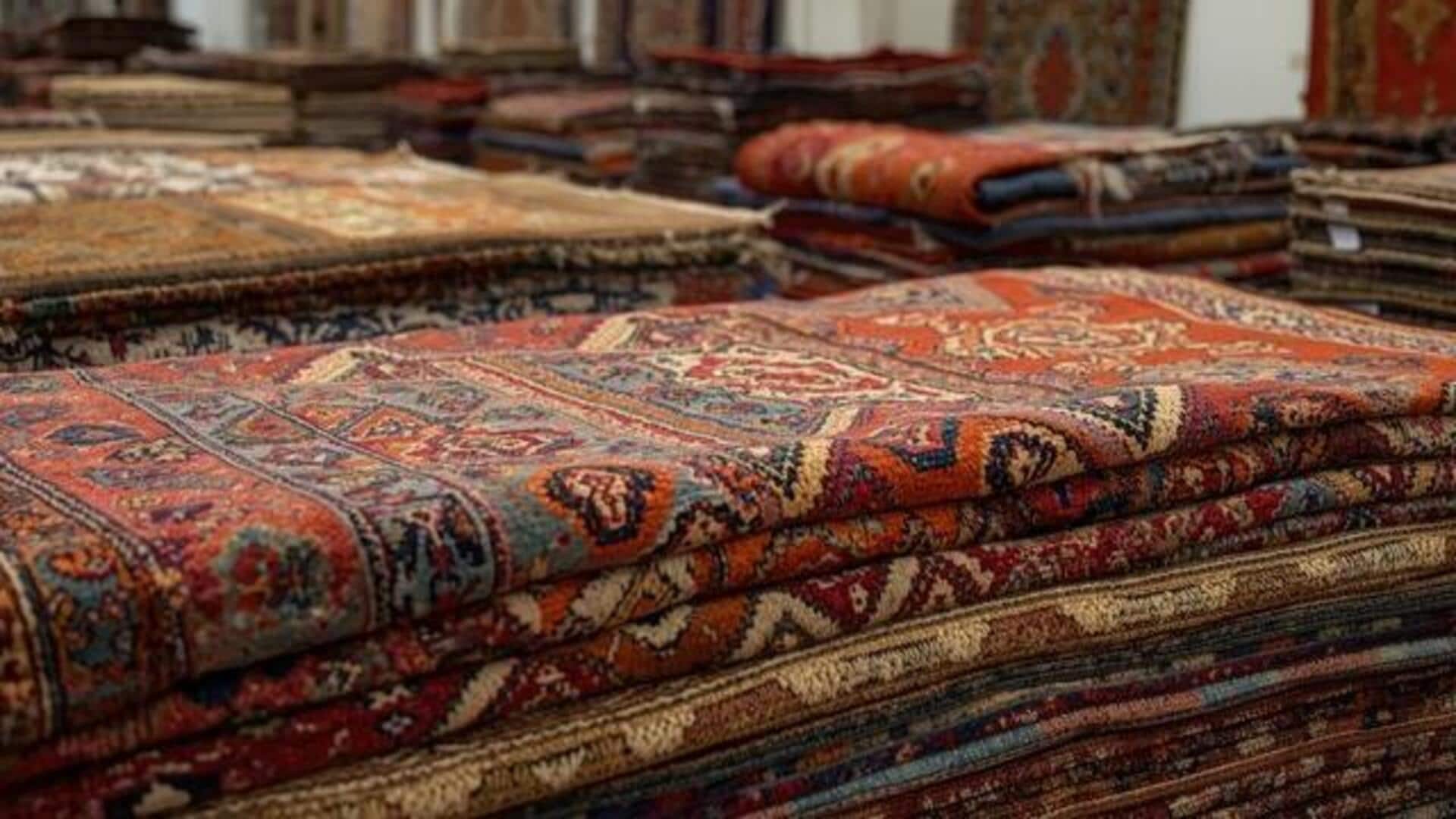
Felted tapestries are taking the world of art by storm, giving a modern spin to traditional Berber rug motifs. The fusion of ancient designs with contemporary techniques is creating a unique visual experience that appeals to both history and innovation lovers. The vibrant colors and intricate patterns of Berber rugs are reimagined in felted form, making it a versatile medium for artists to explore cultural narratives and personal expression.
Technique
The art of felting
Felting is the process of matting, condensing, and pressing fibers together to create a fabric.
Artists use wool or other animal fibers to make textured surfaces that can be shaped into various forms.
The technique allows for a lot of creativity as it can be used to create everything from simple shapes to complex designs.
Felted tapestries offer a tactile experience that engages viewers on multiple sensory levels.
Design
Berber motifs reimagined
Berber rug motifs are known for their geometric patterns and symbolic meanings. These designs often reflect the cultural heritage of North African communities.
When reimagined in felted form, these motifs take on new life while retaining their cultural significance.
Artists experiment with scale, color, and composition to create pieces that resonate with modern audiences yet pay homage to traditional roots.
Influence
Cultural fusion in art
The fusion of Berber motifs with modern felted techniques highlights the cross-cultural influences in today's art scene.
Artists draw inspiration from various cultures to create works that transcend geographical boundaries.
This blending of traditions results in pieces that are rich in history yet relevant in contemporary contexts. It encourages dialogue between cultures through visual storytelling.
Eco-friendly approach
Sustainable art practices
Felted tapestries also promote sustainable art practices by using natural fibers that are biodegradable and renewable.
Many artists source materials ethically, ensuring minimal environmental impact during production processes.
This eco-friendly approach appeals to environmentally conscious consumers looking for sustainable alternatives in the art market.