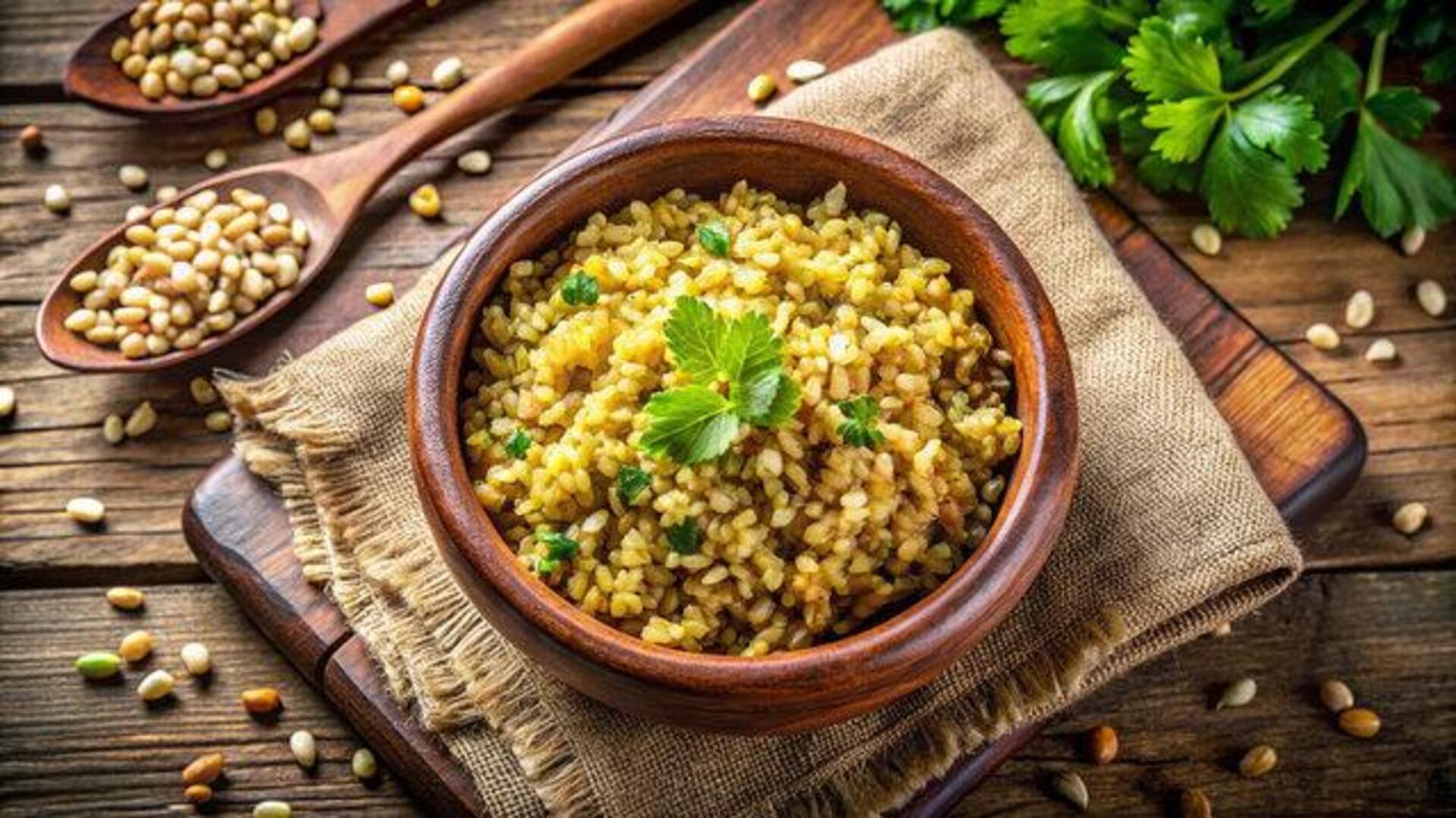
Freekeh: All about this nutritious ancient grain
What's the story
Freekeh, an ancient grain, is making waves for its nutritional benefits and unique flavor. Harvested from green wheat, freekeh is roasted to bring out its nutty taste. This versatile grain can be used in various dishes, making it a great addition to any diet. With its high fiber content and low glycemic index, freekeh is a healthy alternative to regular grains. Here's all about freekeh and how it can amp up your meals.
#1
Nutritional benefits of freekeh
Freekeh is loaded with nutrients that are essential for good health.
It is high in protein and fiber, which helps in digestion and keeps you full.
Freekeh also has a low glycemic index, making it ideal for diabetics as it regulates blood sugar levels.
It also contains vitamins such as B1 and B3, and minerals such as iron and zinc that promote overall well-being.
#2
Versatility in cooking
One of the best things about freekeh is its versatility in cooking.
You can use it as a substitute for rice or quinoa in salads or pilafs.
Its chewy texture makes it perfect for soups or stews where you want to add depth of flavor without overpowering other ingredients.
You can also use it as a base for grain bowls with roasted vegetables and herbs.
#3
Environmental impact of freekeh farming
Freekeh farming has a lesser environmental impact than other grains, owing to its sustainable agricultural practices.
The crop needs less water than other grains, making it an eco-friendly choice for farmers.
Further, the practice of harvesting freekeh while the wheat is still green helps preserve soil quality by reducing erosion and maintaining nutrients in the ground.
Tip 1
Tips for incorporating freekeh into your diet
To add more freekeh to your diet, start by replacing half of your usual grain portion with cooked freekeh in your favorite recipes like stir-fries or casseroles.
This way, you can gradually get used to its distinct taste while reaping its health benefits without making drastic changes to your diet initially.