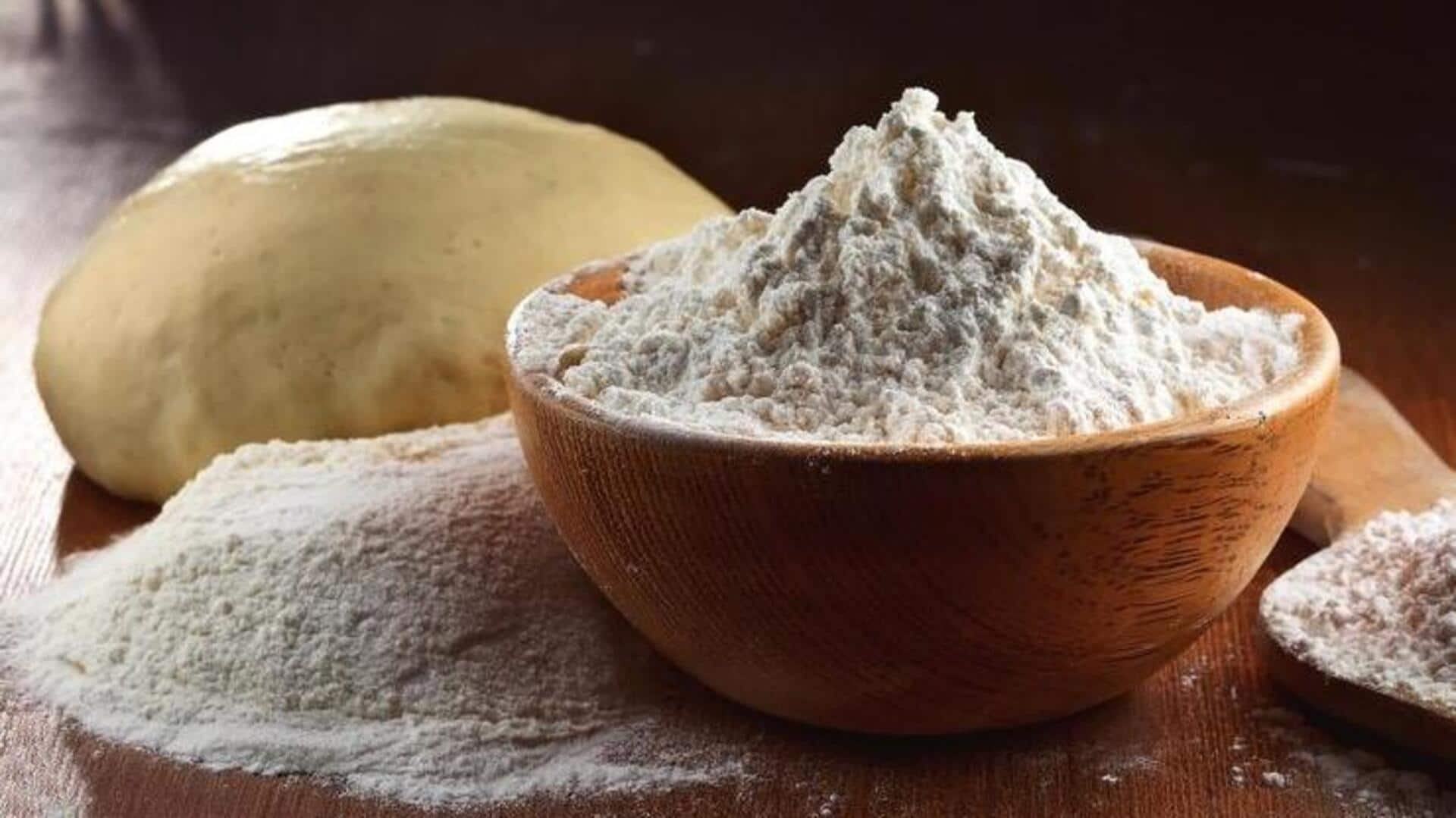
What is fufu flour?
What's the story
Fufu flour is a staple in many African cuisines, serving as a versatile ingredient for various dishes. It is made from starchy foods such as cassava, yams, or plantains. This flour is essential to prepare fufu, a dough-like side dish that accompanies soups and stews. Its adaptability makes it an important part of everyday meals across the continent.
#1
Origin and preparation of fufu flour
Fufu flour is traditionally prepared by boiling starchy foods until soft and then pounding them into a smooth paste.
In some regions, the process has been modernized by drying the pounded fufu and grinding it into flour. This method preserves the taste while making it easier to store and use.
The choice between traditional preparation and modern methods often depends on personal preference and regional practices.
#2
Nutritional benefits of fufu flour
Rich in carbohydrates, fufu flour provides energy for daily activities.
It is also low in fat and contains no cholesterol, making it a healthy option for those looking to maintain a balanced diet.
Some varieties of fufu flour may also offer dietary fiber, which aids digestion and promotes gut health.
However, nutritional content can vary based on the source ingredient used to make the flour.
#3
Culinary uses beyond traditional dishes
While fufu is commonly paired with soups and stews, fufu flour's versatility allows it to be used in other culinary applications.
It can be used to thicken sauces or as a binding agent in vegetarian patties or dumplings.
Some innovative cooks have even experimented with using fufu flour in baking bread or pancakes, showcasing its adaptability beyond traditional African cuisine.
Tip 1
Tips for cooking with fufu flour
When cooking with fufu flour, it's important to gradually add water while mixing to prevent lumps from forming. This ensures a smooth consistency for your dish.
Using warm water instead of cold can help achieve better results by aiding the starches in the flour to gel properly during cooking.