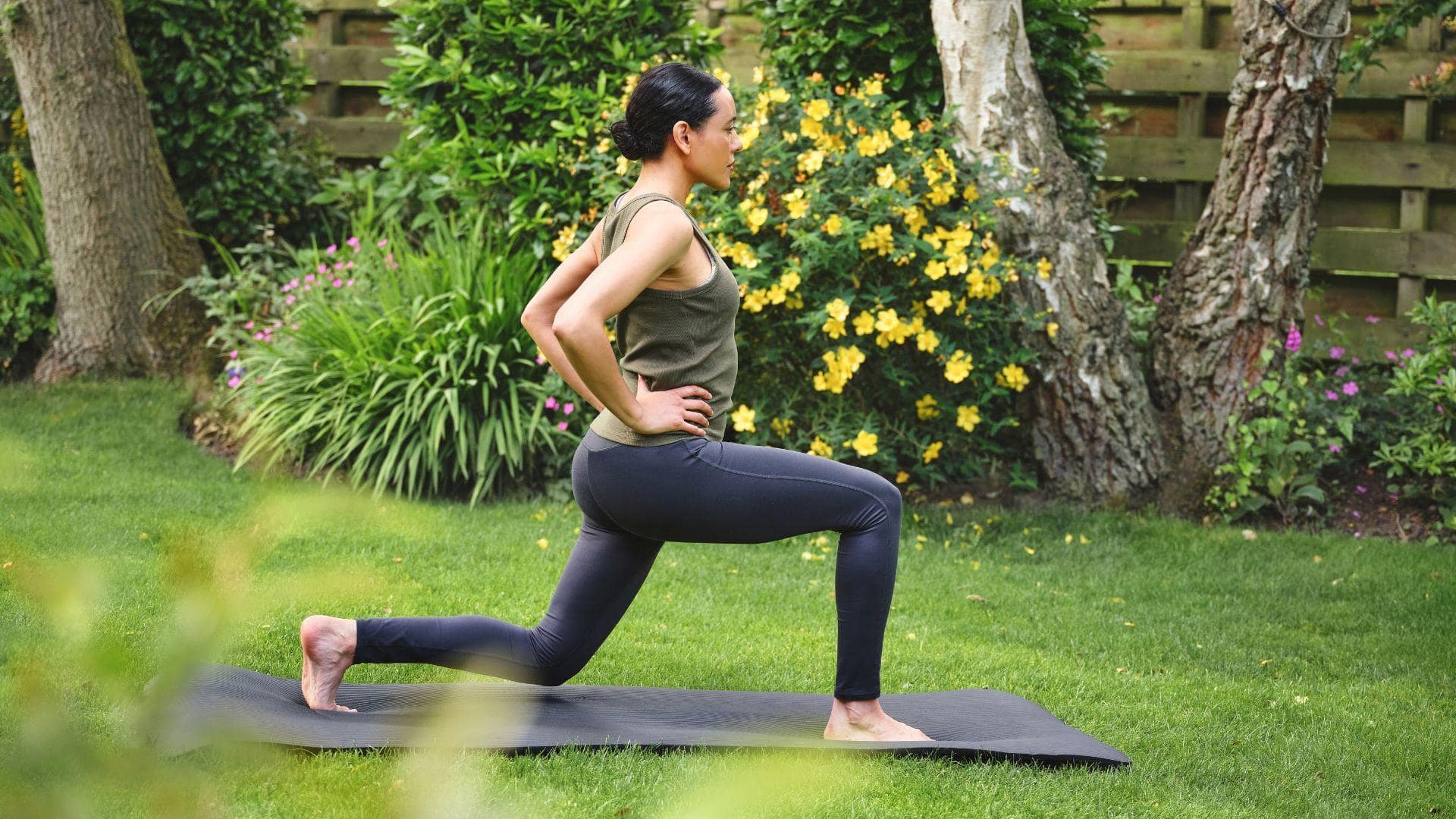
Gardening squats: All about this fitness routine
What's the story
Gardening squats are a unique way to combine gardening with a fitness routine. This exercise involves squatting while tending to plants, giving you a full-body workout. It improves flexibility, strengthens muscles, and promotes relaxation. By adding gardening squats to your daily routine, you can enjoy the benefits of physical activity while nurturing your garden. It's an easy way to stay active without going to the gym.
Flexibility boost
Enhances flexibility and balance
Gardening squats require you to stretch and bend, which improves your flexibility over time. These movements also improve your balance, as you shift your weight from one leg to another while squatting. Improved flexibility and balance can help prevent injuries in daily activities.
Core strength
Strengthens core muscles
Doing gardening squats regularly helps strengthen core muscles, which are crucial for maintaining good posture and stability. A strong core supports the spine and reduces the risk of back pain. As you squat and tend to your plants, your abdominal muscles engage continuously, giving you a great workout without any extra equipment.
Stress relief
Promotes relaxation and reduces stress
The rhythmic motion of gardening squats can be calming, promoting relaxation, and reducing stress levels. Spending time outdoors while engaging in physical activity has been shown to improve mood and lower anxiety. This combination makes gardening squats an excellent way to unwind after a long day.
Heart health
Improves cardiovascular health
Gardening squats provide a moderate-intensity workout that can improve cardiovascular health over time. By getting your heart rate up as you squat and move around your garden, you can improve circulation and lower the risk of heart disease. Doing these exercises regularly can go a long way in keeping your heart healthy.
Consistency catalyst
Encourages consistent physical activity
Incorporating gardening squats into your routine encourages consistent physical activity without requiring much time or equipment. This accessibility makes it easier for people with busy schedules or limited resources to stay active regularly. Over time, this consistency contributes significantly toward achieving fitness goals.