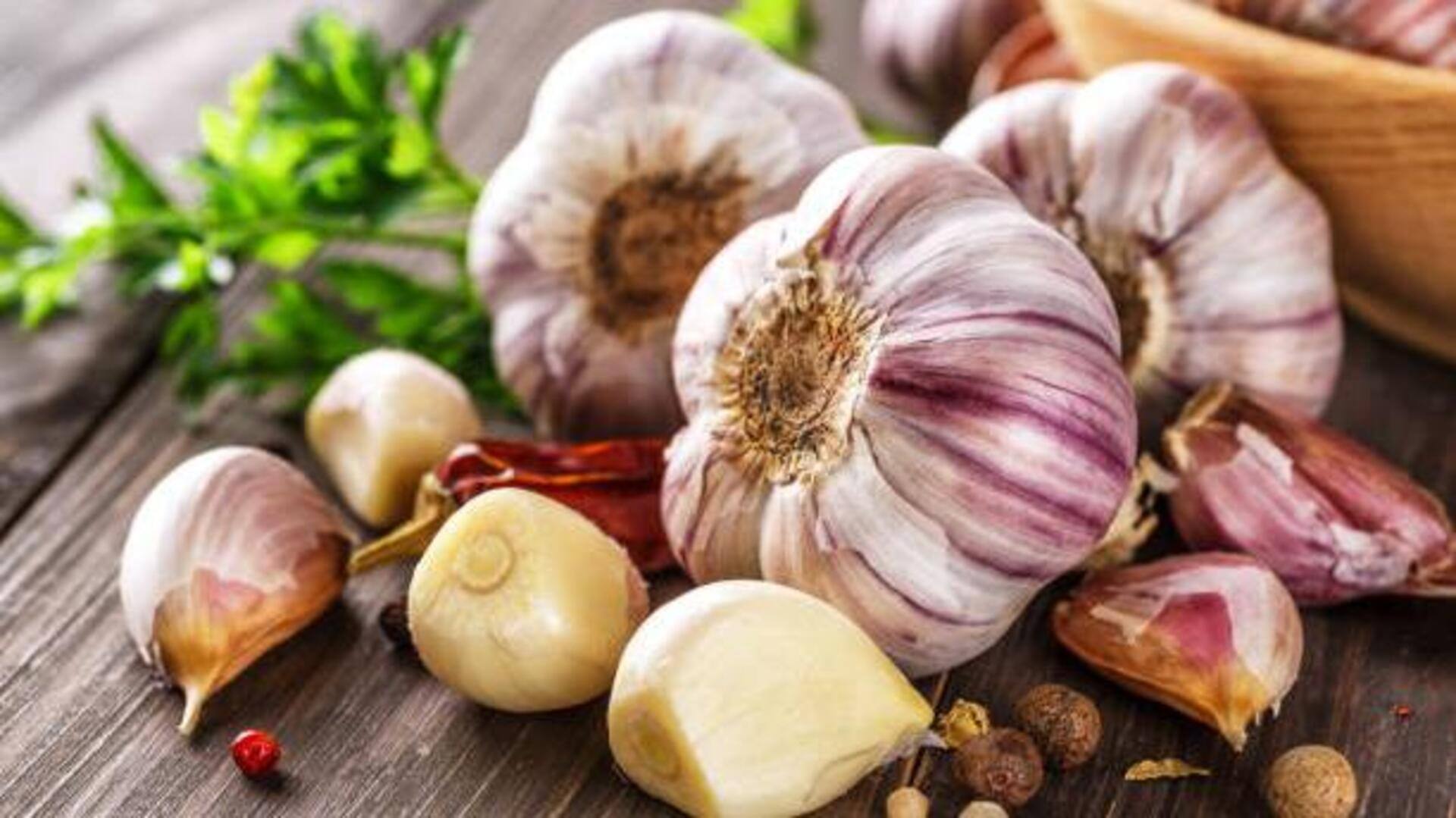
Can garlic fight viral infections?
What's the story
Garlic has long been hailed as a natural remedy for several ailments, including viral infections. Its reputation is largely due to its active compound, allicin, which is said to have antimicrobial properties. However, the extent of garlic's effectiveness against viruses is often overstated. This article delves into the myths and facts surrounding garlic's role in combating viral infections, providing insights into its actual benefits and limitations.
#1
The allicin misconception
Allicin is the compound most commonly associated with garlic's health benefits. It is formed when garlic is chopped or crushed. While some studies indicate allicin has antimicrobial properties, there is not enough evidence to prove it effectively combats viruses in humans. Most of the research has been conducted in vitro, meaning in a lab setting, not in living organisms.
#2
Garlic's immune boosting claims
Many believe that eating garlic can boost your immune system and protect you from viral infections. While garlic does have certain antioxidants that can help support immune function, it is not a magic bullet. A healthy immune system requires a balanced diet with a variety of nutrients, not just one food item like garlic.
#3
Limited antiviral research
Research on garlic's antiviral effects is limited and often inconclusive. Some studies suggest potential benefits against certain viruses, but these findings are not consistent across all types of viral infections. More rigorous clinical trials are needed to establish any definitive antiviral properties of garlic.
Tip 1
Safe consumption practices
While garlic is generally safe for consumption and can be a part of a healthy diet, it should not be relied upon as a sole treatment for viral infections. Overconsumption can lead to digestive issues or interact with certain medications. It's best consumed in moderation as part of an overall balanced diet aimed at supporting health, rather than treating specific illnesses.