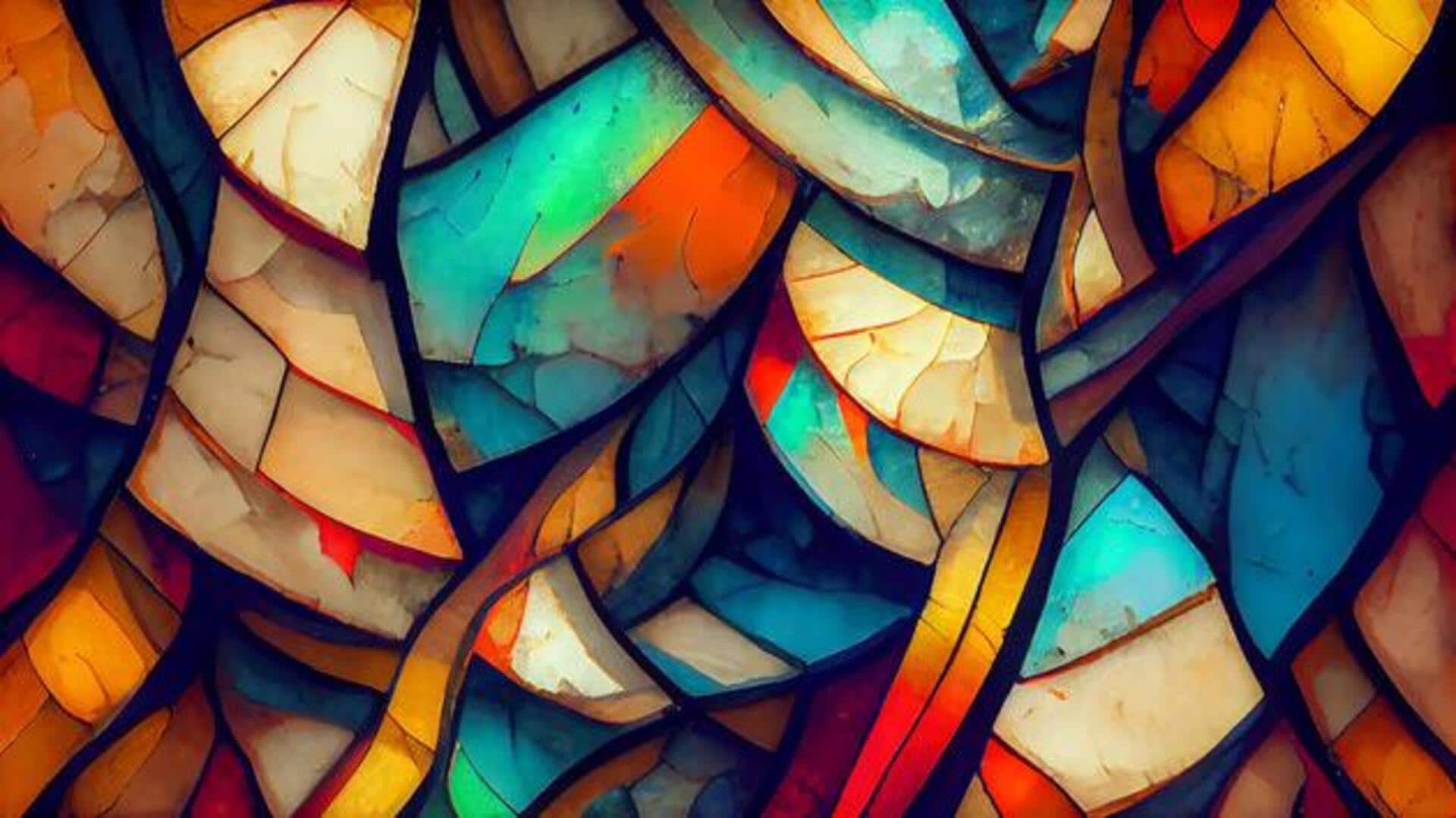
Exploring African uli patterns in glass art
What's the story
African uli patterns have become a popular choice for contemporary glass art. The intricate designs, which originated from the Igbo culture of Nigeria, are now being used by artists around the world to create unique and eye-catching pieces. The combination of traditional African art with modern glass techniques gives rise to stunning works that celebrate cultural heritage while appealing to a global audience.
#1
The history of uli patterns
Uli patterns are traditional Igbo designs, which are used for body decoration and on walls during festivals.
These motifs are characterized by their geometric shapes and flowing lines, which tell stories or represent concepts in Igbo culture.
The patterns are not just decorative but also hold cultural significance, often symbolizing identity and community values.
#2
Modern interpretations in glass art
Today's artists are creatively interpreting uli patterns in glass art.
By using these traditional designs, they create modern pieces that speak to both the past and the present.
The translucence of glass adds a new dimension to these patterns, making them more visually appealing and accessible to diverse audiences.
#3
Techniques used in creating glass art
Creating glass art with uli patterns requires a combination of traditional craftsmanship and modern technology.
Artists use techniques like etching, painting, or sandblasting to incorporate these designs onto glass surfaces.
Each method offers different textures and effects, enhancing the overall aesthetic of the piece.
#4
Impact on cultural appreciation
The fusion of African uli patterns with contemporary glass art has increased global appreciation for African culture.
It has opened up dialogues about cultural identity and heritage preservation.
By showcasing these designs in new mediums, artists contribute to a greater understanding of their cultural significance beyond their place of origin.