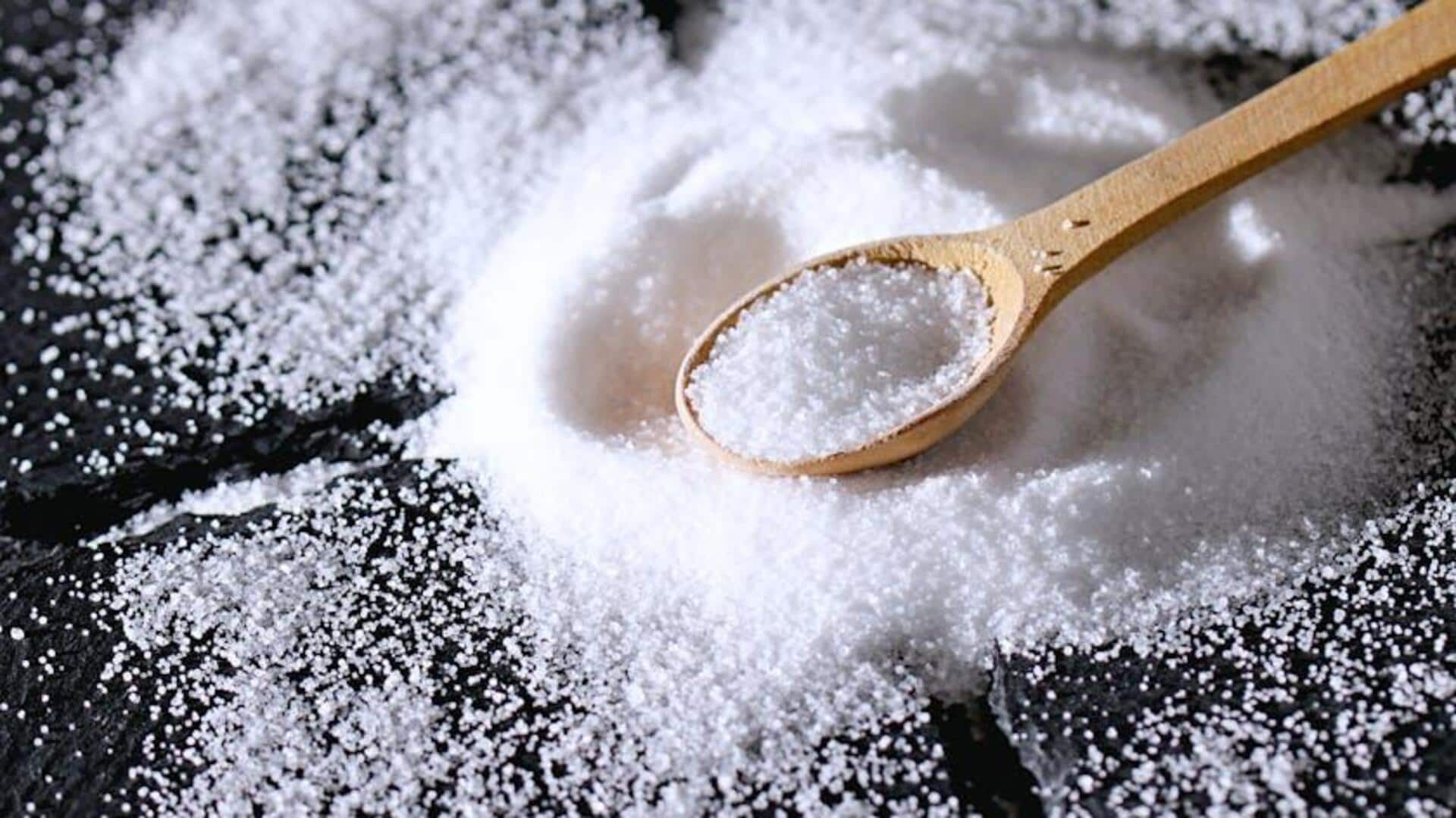
5 high-sodium foods that can affect your health
What's the story
Most of us know that too much salt can be bad for our health, but we often overlook some common foods that can add to our daily intake. These foods may not taste salty but can still contribute significantly to our sodium consumption. Knowing these hidden sources is important to keep a balanced diet and avoid excess salt. Here are five such foods that may surprise you.
#1
Bread and bakery products
Bread and other bakery products are staples in many diets, but they can also be a major source of hidden salt.
Most commercial breads have around 200 milligrams of sodium per slice. This is because salt is added to enhance flavor and preserve freshness.
If you're watching your sodium intake, opt for low-sodium bread options or make your own at home with less salt.
#2
Condiments and sauces
Condiments like ketchup, mustard, and soy sauce are often loaded with sodium to enhance their taste.
For instance, a tablespoon of soy sauce can have as much as 1,000 milligrams of sodium.
While these condiments add flavor to your meals, it's important to use them sparingly or look for low-sodium versions to keep your overall salt intake in check.
#3
Cheese varieties
Cheese is another common food that packs more sodium than you might expect.
Hard cheeses such as Parmesan can have more than 500 milligrams of sodium per ounce.
While cheese makes for a good source of calcium and protein, those watching their salt intake should go for lower-sodium varieties or limit their portions.
#4
Canned vegetables and legumes
Canned vegetables and legumes are super convenient but can be loaded with hidden salts from the preservation process.
Most canned goods have added salt to keep them fresh over time.
If you want to avoid excess sodium, rinse canned vegetables before eating or go for no-salt-added versions when possible.
#5
Processed snacks
Processed snacks such as chips and crackers are usually high in salt, as it is used liberally during the manufacturing process to enhance flavor and shelf life.
A serving of some snack foods can easily have 300 milligrams or more of sodium.
For those watching their salt intake, it is advisable to read labels carefully and choose snacks with lower sodium content whenever possible.