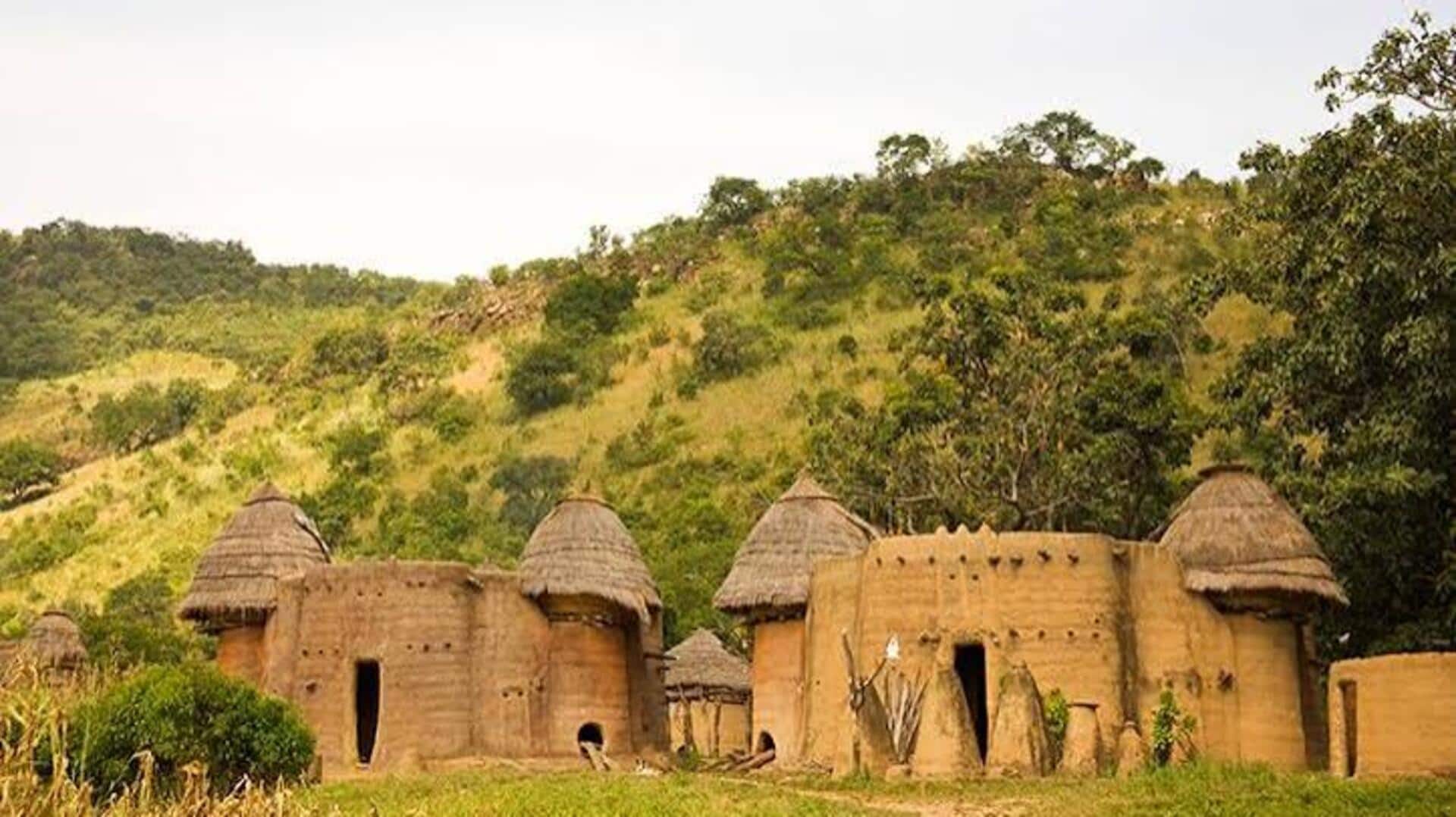
Koutammakou: A UNESCO gem in Togo, Africa
What's the story
Koutammakou, a UNESCO World Heritage site in Togo, is famous for its unique landscape and cultural significance. The region is home to the Batammariba people, who are known for their traditional mud huts called Togo-villages. These structures are not just homes but also a symbol of the community's identity and heritage. Exploring Koutammakou gives you a glimpse into the architectural marvels that have stood the test of time.
#1
Unique architecture of Togo-villages
The Togo-villages are characterized by their tall, cylindrical shapes, and conical roofs.
Made from clay and straw, these huts are built to withstand the harsh weather conditions of the region.
The design is practical, providing insulation against heat while allowing ventilation.
Each hut is usually divided into different sections for various purposes like cooking, sleeping, and storage.
#2
Cultural significance of Koutammakou
Koutammakou is not just about stunning architecture; it is also about rich traditions and customs of the Batammariba people.
The villages are built on communal living, with each member contributing to the upkeep of communal spaces.
Traditional ceremonies, festivals, and daily life are all part of the cultural fabric that makes this region so special.
#3
Preservation efforts in Koutammakou
Preserving Koutammakou's cultural heritage and architectural marvels is key to keeping the Batammariba people's identity alive.
Local communities, along with international organizations, are working to protect these sites from environmental degradation and modern encroachment.
Educational programs raise awareness about the importance of preserving this unique way of life for future generations.
Tip 1
Tips for visiting Koutammakou
When visiting Koutammakou, respect local customs by dressing modestly and seeking permission before taking photographs.
Engage with locals to learn about their way of life, but be mindful not to disrupt daily routines or traditions.
Consider hiring a local guide who can provide deeper insights into both the architecture and culture during your visit.