Which is better for heart health, walking or hiking?
What's the story
Walking is one of the simplest and most effective forms of exercise, but it can be done in many ways. Urban walking and hiking are two popular options that provide different benefits. While urban walking is easily accessible and convenient, hiking offers a more immersive experience with nature. Both have their own advantages when it comes to cardiovascular health, making them suitable for different lifestyles and preferences.
City walks
Urban walking: Accessibility and convenience
Urban walking is easily accessible to most people living in cities or towns.
It requires no special equipment or location, making it a convenient choice for those with busy schedules.
Walking in urban areas can help you maintain a regular exercise routine without the need for travel time or additional costs.
Many cities have parks and pedestrian-friendly streets, providing safe environments for walking.
Nature trails
Hiking: Connection with nature
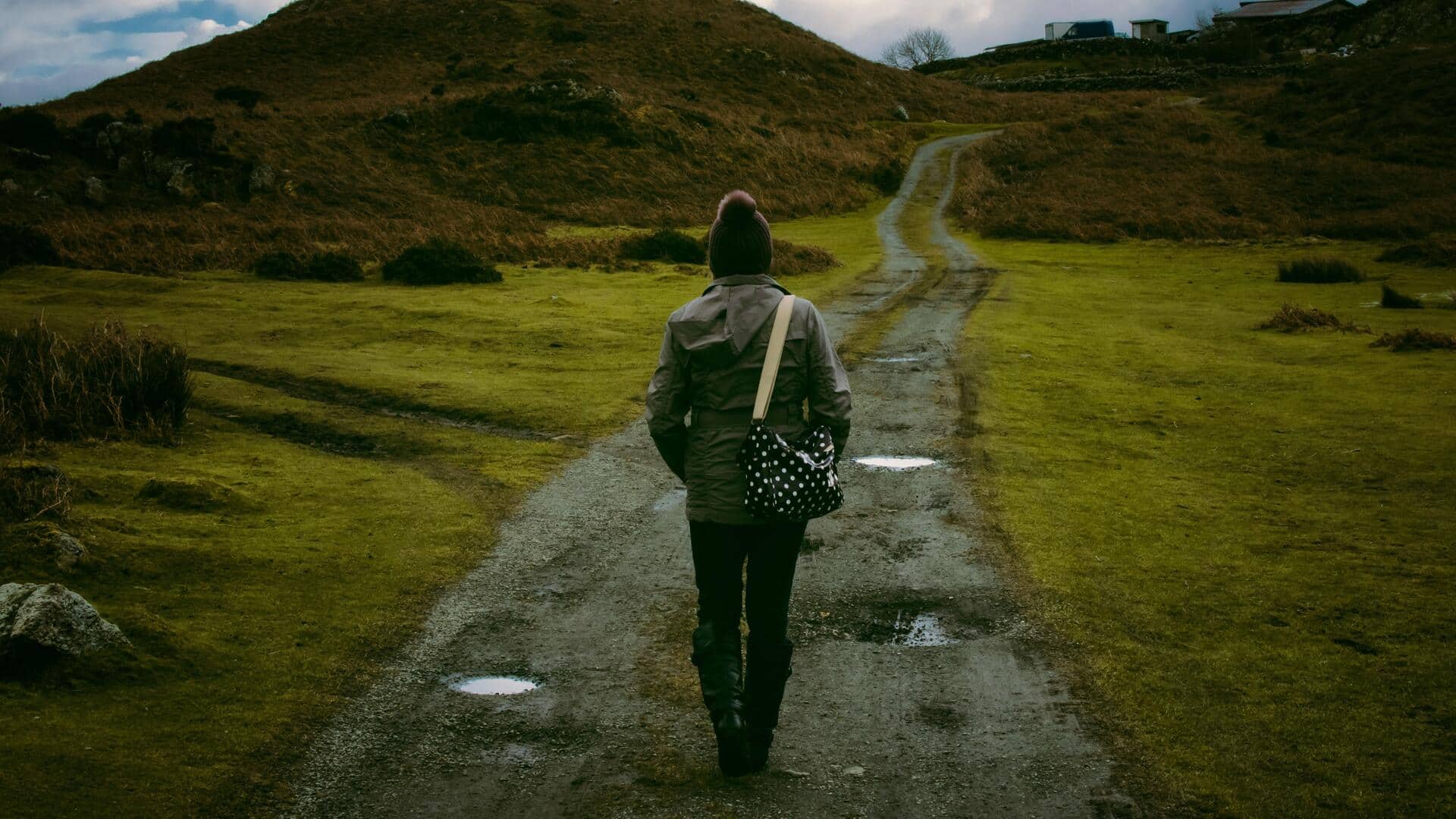
Hiking connects you with nature, which can be mentally refreshing and physically demanding.
Trails often have varied terrain, which challenges different muscle groups and improves cardiovascular endurance.
The fresh air and natural surroundings can also reduce stress levels, which is good for heart health.
Hiking is also a great way to escape the hustle of city life while getting a good workout.
Energy expenditure
Caloric burn: Comparing urban walks and hikes
Both urban walks and hikes help burn calories, but the amount may differ based on intensity and duration.
Hiking usually involves uphill climbs or uneven ground, which increases calorie burn compared to flat urban walks.
However, brisk urban walking at a fast pace can also burn significant calories over time.
The key is to maintain consistency in either activity to reap the benefits.
Community engagement
Social interaction opportunities
Urban walking often provides more opportunities for social interaction as people walk through neighborhoods or parks where others are present.
This can lead to community engagement and support networks that encourage regular physical activity.
Hiking, while more solitary or in small groups, can still foster social connections among those who share an interest in outdoor activities.