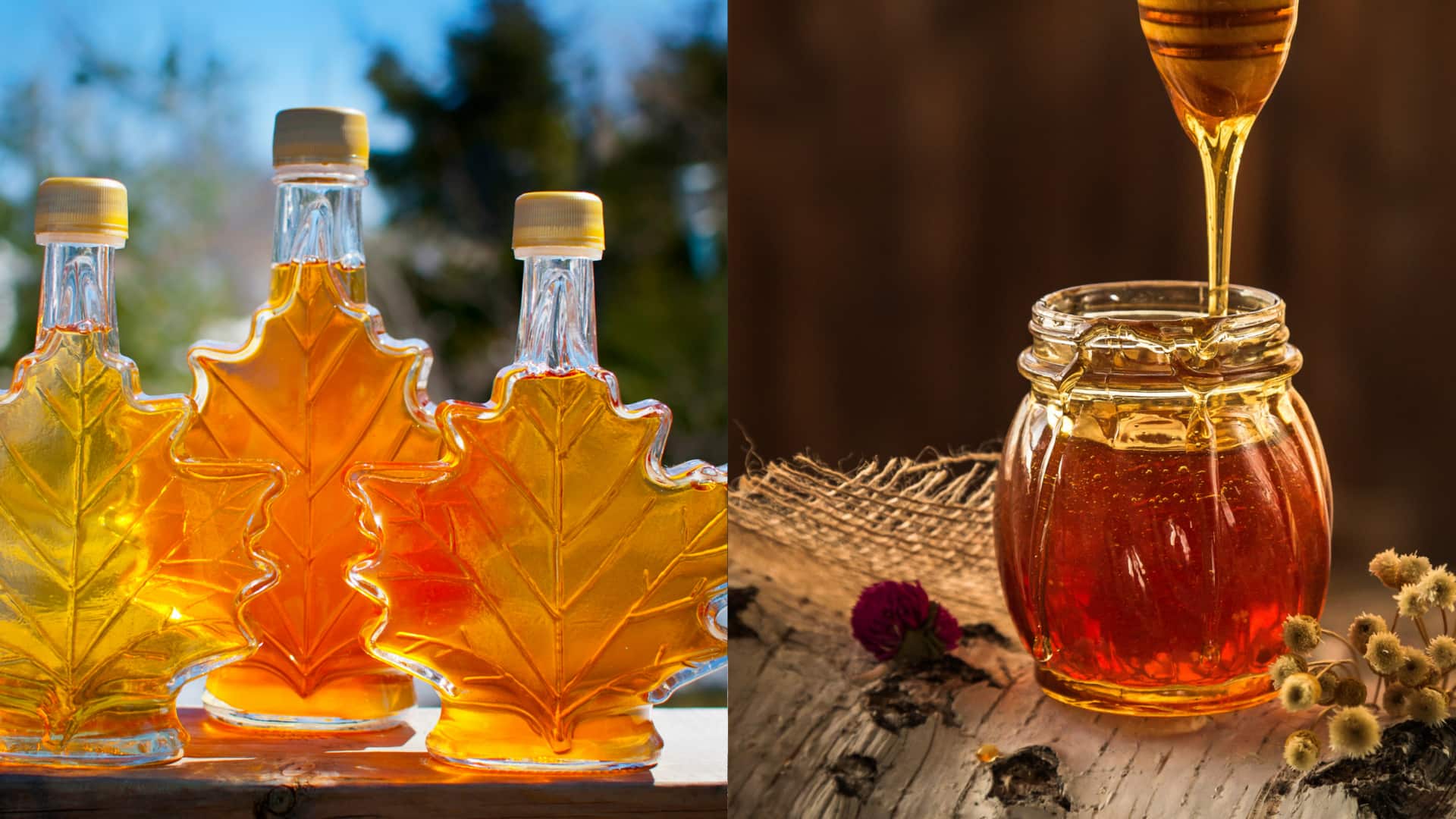
Honey v/s maple syrup: Which controls blood sugar levels better?
What's the story
Honey and maple syrup are two of the most popular natural sweeteners, both of which have their own unique benefits. While honey is produced by bees, maple syrup comes from the sap of maple trees. Both are often used as healthier alternatives to refined sugar. Here is a look at the nutritional profiles of honey and maple syrup, their health benefits, and how they can be included in your diet.
#1
Nutritional profile of honey
Honey is loaded with antioxidants, including flavonoids and phenolic acids.
It has a higher glycemic index than maple syrup, which means it can raise blood sugar levels faster.
A tablespoon of honey has about 64 calories and 17 grams of carbs. It also has trace amounts of vitamins like vitamin C and B vitamins.
The antioxidants in honey may help reduce inflammation and improve heart health.
#2
Maple syrup's nutritional benefits
Maple syrup is also rich in antioxidants, especially phenolic compounds, which are good for your health.
It has a lower glycemic index than honey, making it a better option for those looking to control blood sugar levels.
A tablespoon of maple syrup has about 52 calories and 13 grams of carbs.
It is also a good source of minerals like manganese and zinc, which promote bone health and immune function.
#3
Comparing antioxidant content
Both honey and maple syrup provide antioxidant benefits, but differ in the types of antioxidants they offer.
Honey contains flavonoids that may help combat oxidative stress in the body, while maple syrup is rich in phenolic compounds, known for their anti-inflammatory properties.
These antioxidants play an important role in protecting cells from damage caused by free radicals.
Tip 1
Incorporating sweeteners into your diet
When adding these sweeteners to your diet, moderation is key, given their calorie content.
Use them sparingly as toppings or ingredients in recipes, instead of consuming them in large quantities every day.
This way, you can enjoy their flavors without overdoing it on calories or sugar.