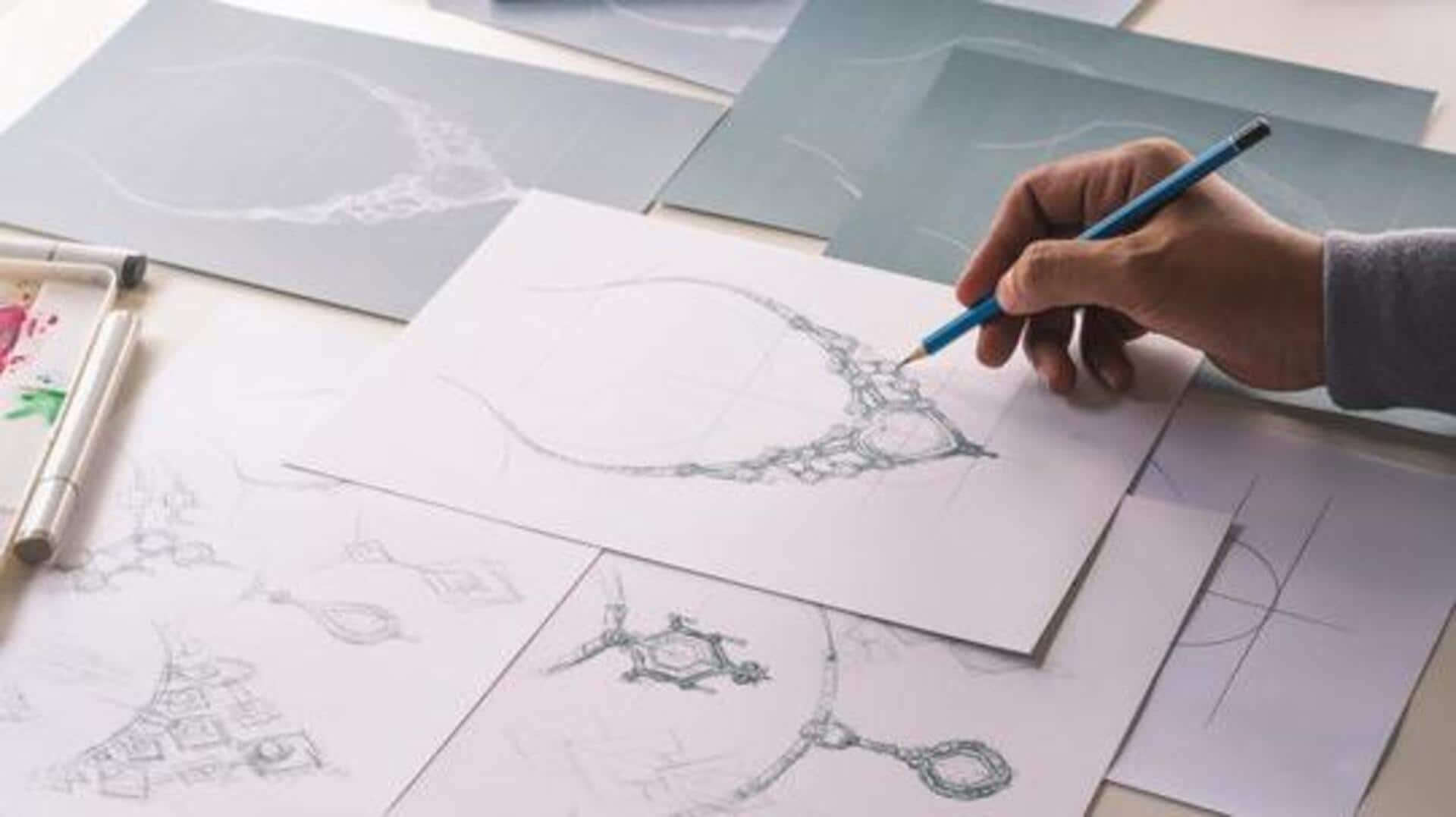
How jewelry designers are preserving traditional craftsmanship
What's the story
African jewelry designers are playing a pivotal role in preserving ancient techniques, ensuring that traditional craftsmanship is not lost to modernity. These artisans blend cultural heritage with contemporary design, creating pieces that reflect Africa's rich history. By focusing on sustainable practices and community engagement, they not only keep these techniques alive but also promote economic growth within their communities.
#1
Reviving traditional craftsmanship
Many African jewelry designers are committed to reviving traditional craftsmanship.
They use age-old techniques like beadwork, metal forging, and carving, which have been passed down generations.
By incorporating these methods into their work, they ensure that the knowledge is preserved for future generations.
This revival also provides a sense of identity and pride within communities.
#2
Sustainable practices in jewelry making
Sustainability is at the heart of many African jewelry designers' work. They often use locally sourced materials to minimize environmental impact and support local economies.
Not only does this practice promote ecological balance, but it also empowers artisans by providing them with a steady income stream.
Sustainable practices ensure that natural resources are used responsibly, benefiting both people and the planet.
#3
Economic empowerment through design
African jewelry design also offers economic empowerment to artisans and their communities.
By creating unique pieces that appeal to global markets, designers can command higher prices for their work.
This economic boost allows artisans to invest in better tools and training, further enhancing their skills and product quality.
Economic empowerment through design leads to improved living standards for many families.
#4
Community engagement initiatives
Many African jewelry designers also run community engagement initiatives to teach young people about traditional techniques and entrepreneurship.
Workshops and mentorship programs give aspiring artisans the chance to learn from experienced craftsmen.
These initiatives not only preserve cultural heritage but also create a new generation of skilled artisans who can carry on these traditions into the future.