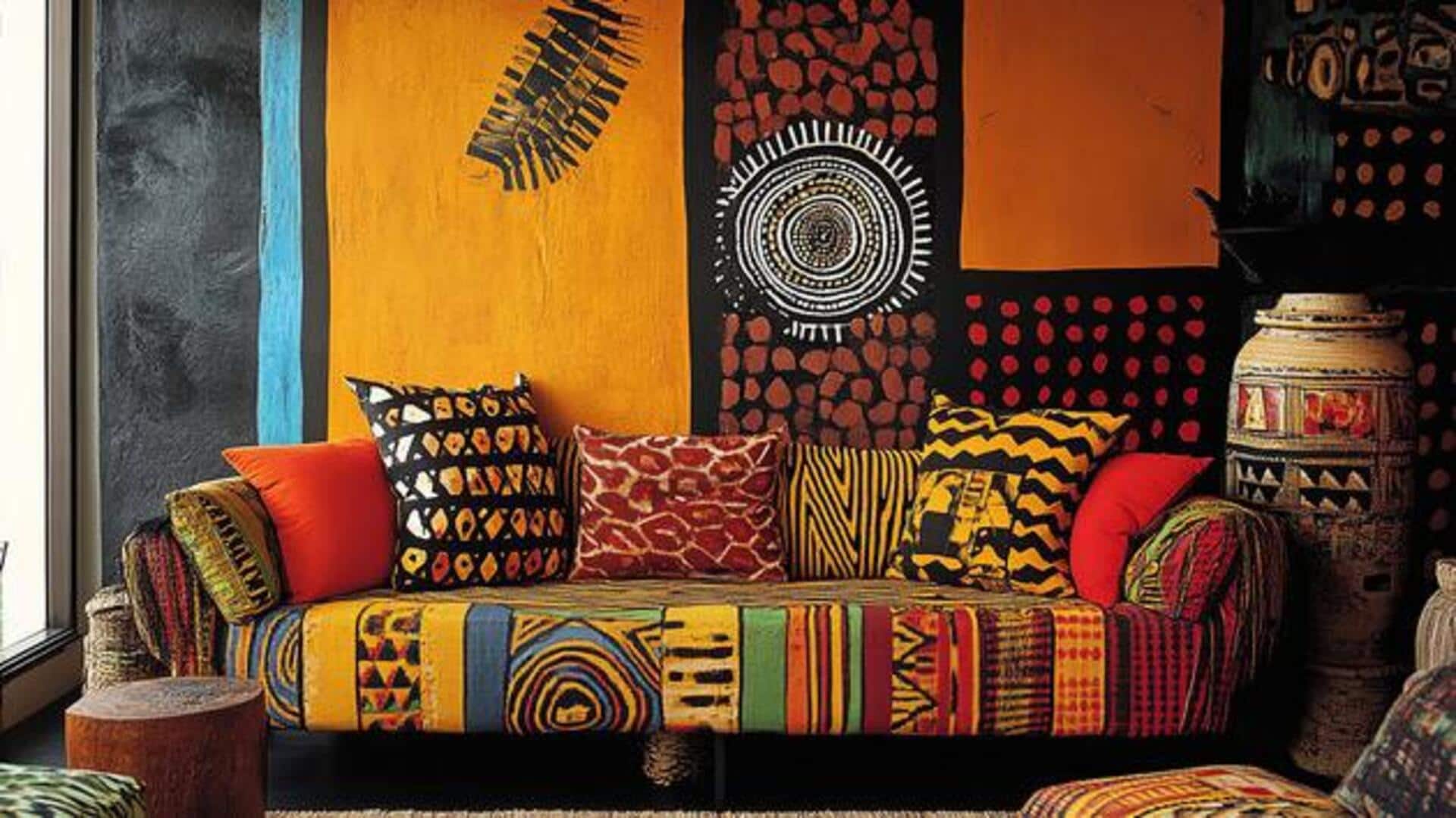
How textile patterns are inspiring modern architecture
What's the story
African textiles have always been known for their vibrant colors and intricate patterns. Now, architects are taking inspiration from these traditional designs to create modern buildings that reflect cultural heritage. By blending the old with the new, these architects are creating structures that are not only functional but also visually stunning. This fusion of art and architecture showcases the versatility of African textiles in contemporary design.
#1
Bold patterns in facade design
Architects are increasingly incorporating bold patterns inspired by African textiles into building facades. These patterns add visual interest and cultural significance to structures, making them stand out in urban environments. The use of geometric shapes and vibrant colors often seen in traditional fabrics can transform a simple facade into an eye-catching piece of art. This approach not only honors cultural heritage but also enhances the aesthetic appeal of modern buildings.
#2
Textiles influence on interior spaces
The influence of African textiles extends beyond exteriors into interior spaces. Architects often use textile-inspired motifs for wall coverings, flooring, and furnishings. These elements bring warmth and character to interiors, while paying homage to traditional craftsmanship. By integrating these designs, spaces become more inviting and reflective of diverse cultural influences.
#3
Sustainable materials inspired by textiles
Sustainability is a key focus in modern architecture, with many professionals looking at *African* textiles for eco-friendly material options. Some traditional fabrics are made from natural fibers that can be repurposed or recycled for construction purposes. Using these materials not only reduces environmental impact but also supports local artisans who create them.
#4
Community engagement through design
Incorporating African textile patterns into architectural projects often involves engaging local communities in the design process. This collaborative approach ensures that the resulting structures resonate with the cultural identity of the area. It fosters a sense of pride among residents, while providing opportunities for local artisans to contribute their skills to the project.