How modern artisans are redefining dyeing techniques
What's the story
African dyeing arts are witnessing a renaissance, as artisans across the continent are redefining traditional techniques with modern flair. These craftspeople are not just preserving cultural heritage but also innovating it to meet contemporary tastes and markets. The result is a vibrant fusion of old and new, appealing to both local and global audiences. Here is a look at how these artisans are reshaping the landscape of African dyeing arts.
#1
Reviving ancient techniques with modern twists
Artisans are also reviving ancient dyeing techniques, but with a modern twist.
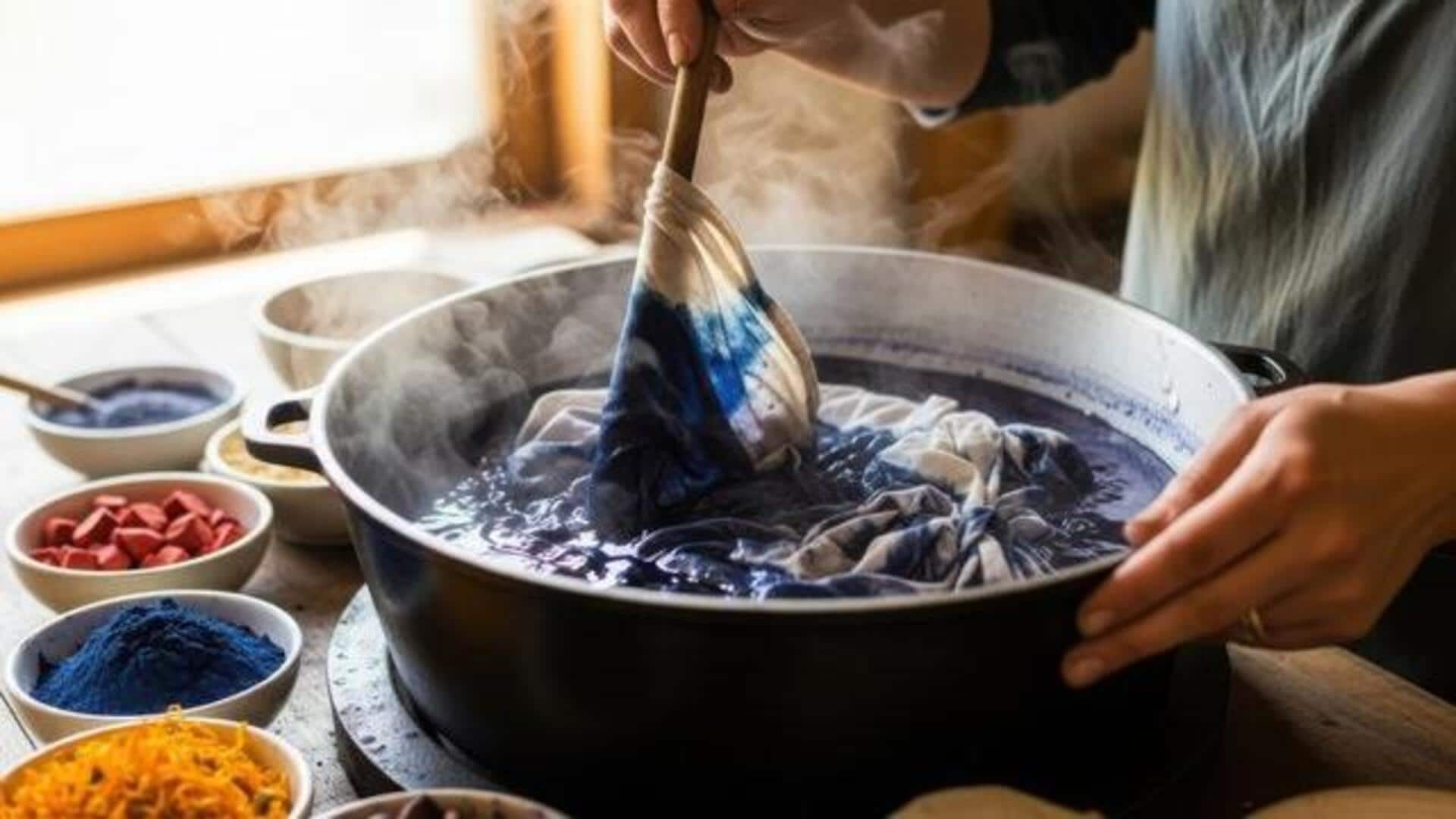
Techniques like tie-dyeing and batik, which have been passed down generations, are now being infused with modern patterns and colors.
This way, artisans are able to retain the essence of traditional methods while catering to the preferences of modern consumers.
The result is a unique product that pays homage to its roots while embracing innovation.
#2
Sustainable practices in dyeing arts
Sustainability has become a key focus area for many African artisans. By using natural dyes from plants and minerals, they minimize environmental impact.
Not only do these eco-friendly practices preserve the environment, but they also add to the uniqueness of each piece created.
The use of sustainable materials often results in higher quality products that appeal to eco-conscious buyers.
#3
Collaborations boosting visibility and growth
Collaborations between artisans and designers have boosted visibility for African dyeing arts.
By partnering with fashion brands or participating in international exhibitions, these craftsmen get a wider audience for their work.
Such collaborations not only boost sales but also inspire new creative directions by mixing different artistic influences.
#4
Empowering communities through craft
Crafting African dyeing arts is empowering communities by providing jobs and preserving cultural heritage.
Many artisan groups are coming together to form cooperatives that support each other economically and socially.
This collective approach not only strengthens community bonds, but also ensures that traditional skills are passed down through generations.