Why bobbin lace is trending in fashion design
What's the story
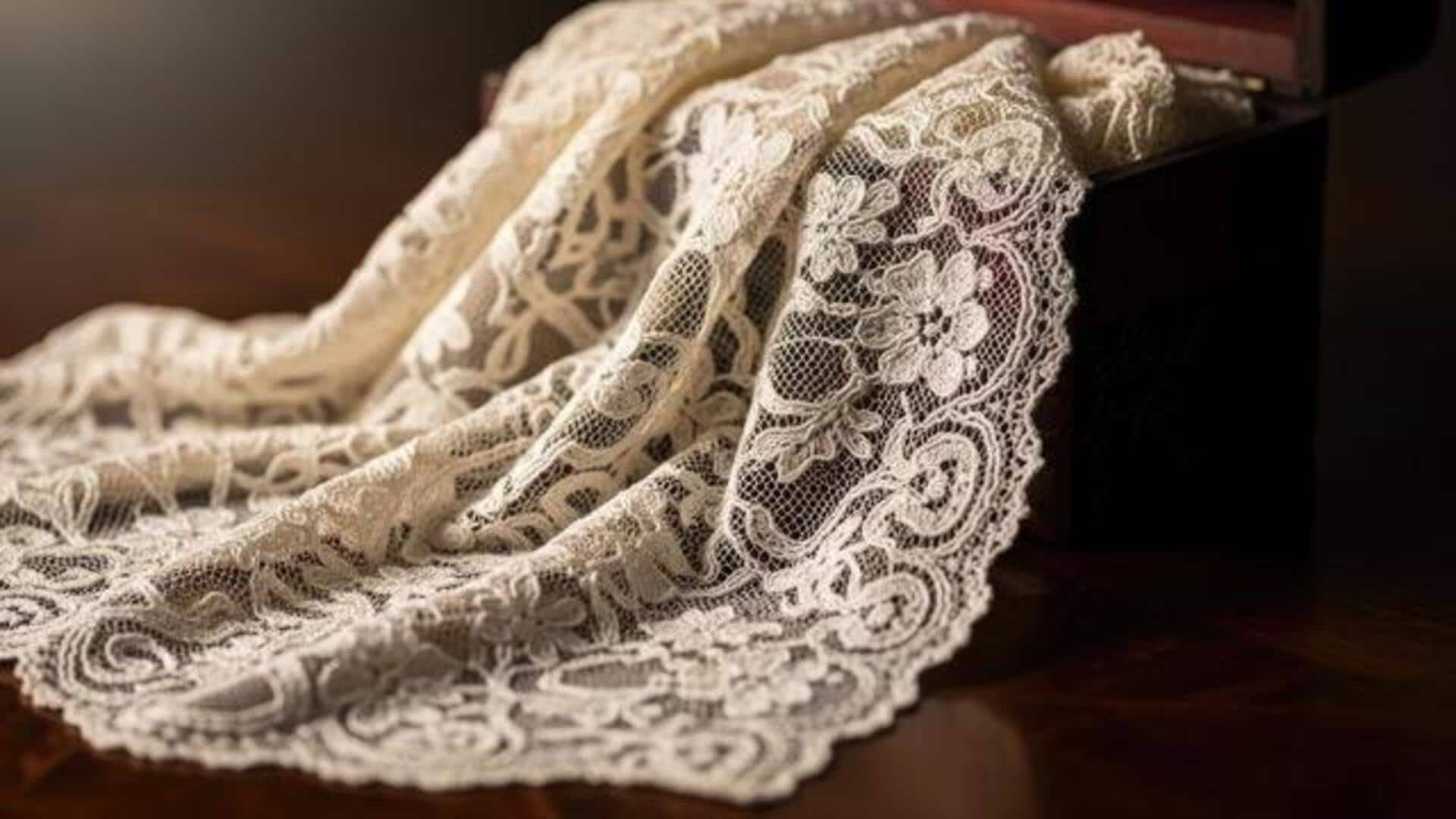
Bobbin lace, a traditional craft of making lace by twisting threads around bobbins, is now making its way into contemporary African fashion. The intricate patterns and delicate designs of this technique are now being used by designers to create unique pieces that celebrate cultural heritage. By mixing traditional craftsmanship with modern aesthetics, bobbin lace is redefining the African fashion landscape.
#1
Reviving traditional techniques
Bobbin lace has been a part of African culture for centuries. Today, designers are reviving this art form to create modern garments that pay homage to their roots.
By using traditional techniques, they preserve the cultural significance of the craft while appealing to a global audience.
This revival not only keeps the art alive but also provides artisans with new opportunities for income and recognition.
#2
Fusion of cultures in fashion
The use of bobbin lace in African fashion also highlights the fusion of cultures.
Designers often mix elements from different regions and traditions to create something new and exciting.
This blending results in garments that are not only visually stunning but also tell a story about the interconnectedness of cultures.
The fusion enriches the fashion industry by introducing diverse influences and perspectives.
#3
Sustainable fashion practices
Incorporating bobbin lace into contemporary African fashion also promotes sustainable practices.
Many artisans work with locally sourced materials, reducing environmental impact while supporting local economies.
By focusing on sustainability, these designers contribute to a more eco-friendly fashion industry that values ethical production methods over mass consumption.
#4
Empowering local artisans
The resurgence of bobbin lace in fashion has empowered local artisans across Africa. It has provided them with platforms to showcase their skills on international stages.
Many designers collaborate directly with artisans, ensuring fair compensation and working conditions.
This empowerment not only uplifts individual craftsmen but also strengthens communities by fostering economic growth through traditional arts.