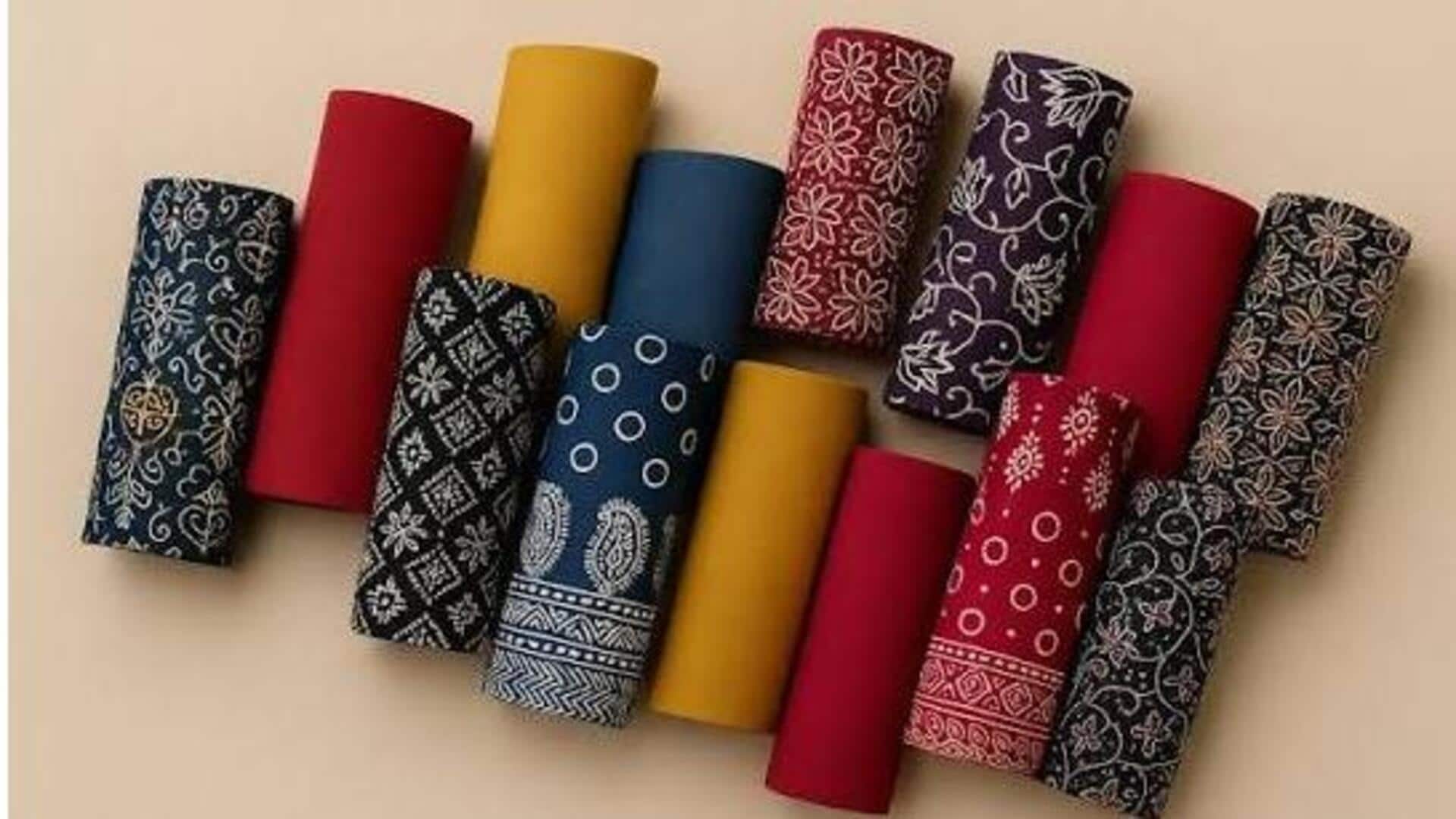
What are mashru textiles?
What's the story
African fashion is witnessing a unique revival, thanks to the ancient craft of mashru textiles. This traditional art form, which combines silk and cotton, is making a comeback in contemporary African fashion. Designers are now incorporating mashru into their collections, blending traditional techniques with modern styles. The revival not only highlights the rich cultural heritage of Africa but also offers sustainable alternatives in the fashion industry.
Historical insight
The history of mashru textiles
Mashru textiles have their roots in ancient Persia, but were later adopted and adapted by different cultures, including those in Africa.
The fabric is made by weaving silk and cotton together, resulting in a strong, yet soft, material.
Historically, mashru was used for clothing and household items, owing to its durability and aesthetic appeal. Today, its historical significance adds depth to contemporary fashion pieces.
Eco-friendly choice
Sustainable fashion alternative
In today's world, where sustainability is the need of the hour, mashru textiles provide an eco-friendly alternative to synthetic fabrics.
The production of mashru uses natural fibers like cotton and silk, which are biodegradable and less harmful to the environment than synthetic materials.
By opting for mashru, designers can contribute to reducing the carbon footprint of their collections, while promoting sustainable practices within the industry.
Cultural blend
Fusion of tradition with modernity
The revival of mashru textiles in African fashion is a beautiful fusion of tradition with modernity.
Designers are creatively using traditional patterns and techniques in modern silhouettes, resulting in unique pieces that pay homage to cultural heritage while appealing to contemporary tastes.
This blend not only preserves traditional craftsmanship but also ensures its relevance in today's fast-paced fashion world.
Community Boost
Economic impact on local communities
The resurgence of mashru textiles also has a positive economic impact on local communities involved in its production.
By supporting this craft, designers help create jobs and boost livelihoods for artisans who specialize in weaving these fabrics.
The demand for mashru also encourages skill development programs, preserving this valuable art form for future generations.