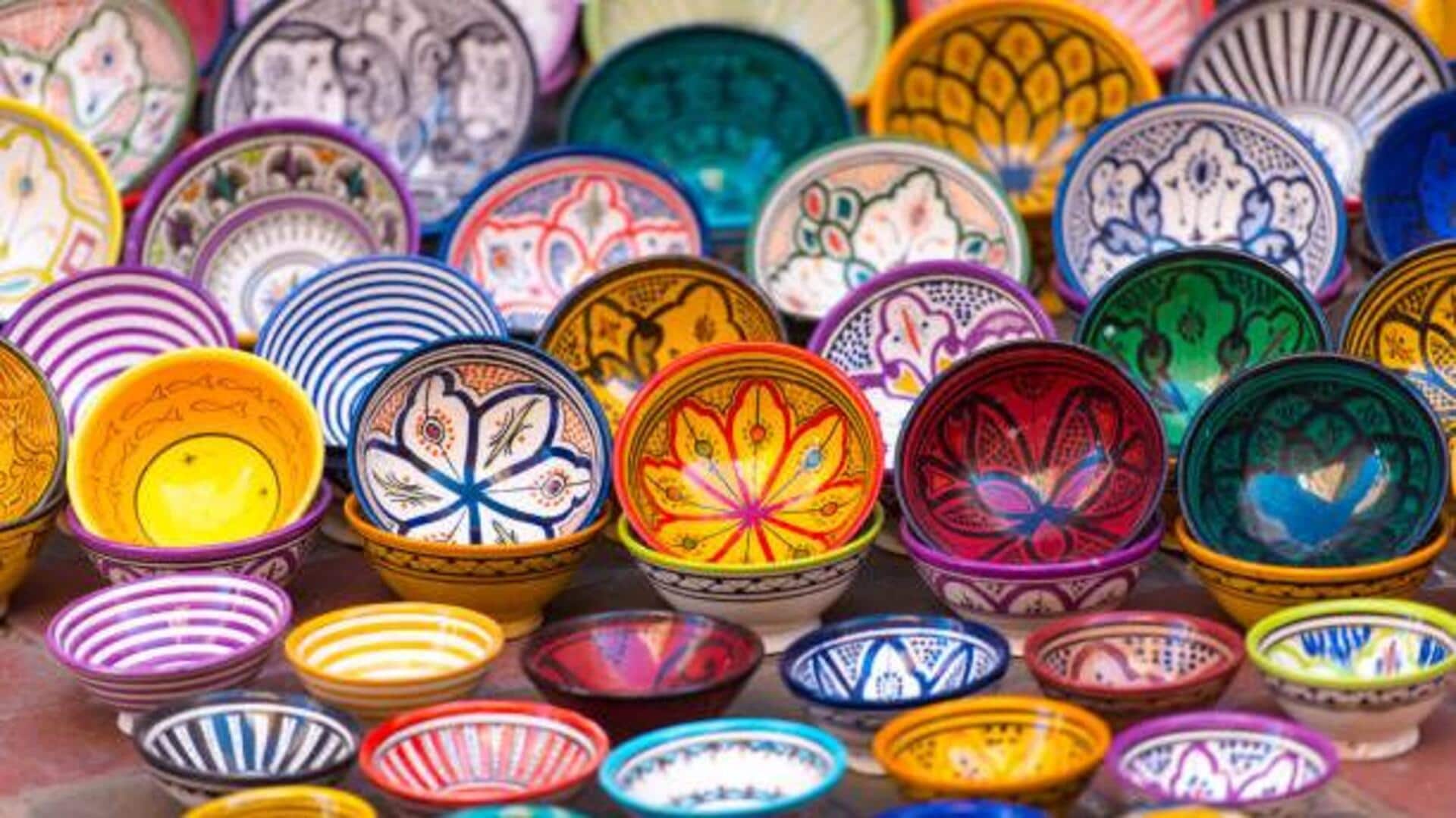
Exploring the evolution of African pottery
What's the story
African diaspora potters are redefining traditional pottery by fusing cultural heritage with modern techniques. Their work not only preserves the essence of African art but also introduces innovative styles that resonate globally. By blending traditional methods with contemporary influences, these artists create unique pieces that reflect a rich cultural narrative. This article delves into the impact of these potters on the art scene and how they navigate tradition and innovation.
#1
Blending tradition with modernity
African diaspora potters are known for their ability to blend traditional techniques with modern aesthetics.
Using age-old methods passed down through generations, they create pieces that are both functional and artistic.
However, by incorporating modern design elements, these artists appeal to a broader audience.
This fusion allows them to maintain cultural authenticity while also embracing contemporary trends in the art world.
#2
Cultural narratives in pottery
The pottery crafted by African diaspora artists often tells a story or conveys a cultural message.
Each piece is imbued with symbols and motifs that have cultural significance.
These narratives serve as a bridge connecting the past with the present, allowing viewers to appreciate the rich history behind each creation.
Through their work, these potters preserve cultural identity and share it with a global audience.
#3
Sustainable practices in pottery
Many African diaspora potters are committed to sustainable practices in their craft.
They often use locally sourced materials and eco-friendly techniques to minimize environmental impact.
This commitment not only supports sustainable development but also resonates with consumers who value environmentally conscious art forms.
By prioritizing sustainability, these artists contribute positively to both their communities and the planet.
#4
Global influence of African pottery
The influence of African diaspora potters extends far beyond their local communities.
Their work has gained recognition on international platforms, showcasing the diversity and richness of African art.
As they participate in global exhibitions and collaborations, these artists continue to shape perceptions of African culture through their unique interpretations of traditional pottery techniques.