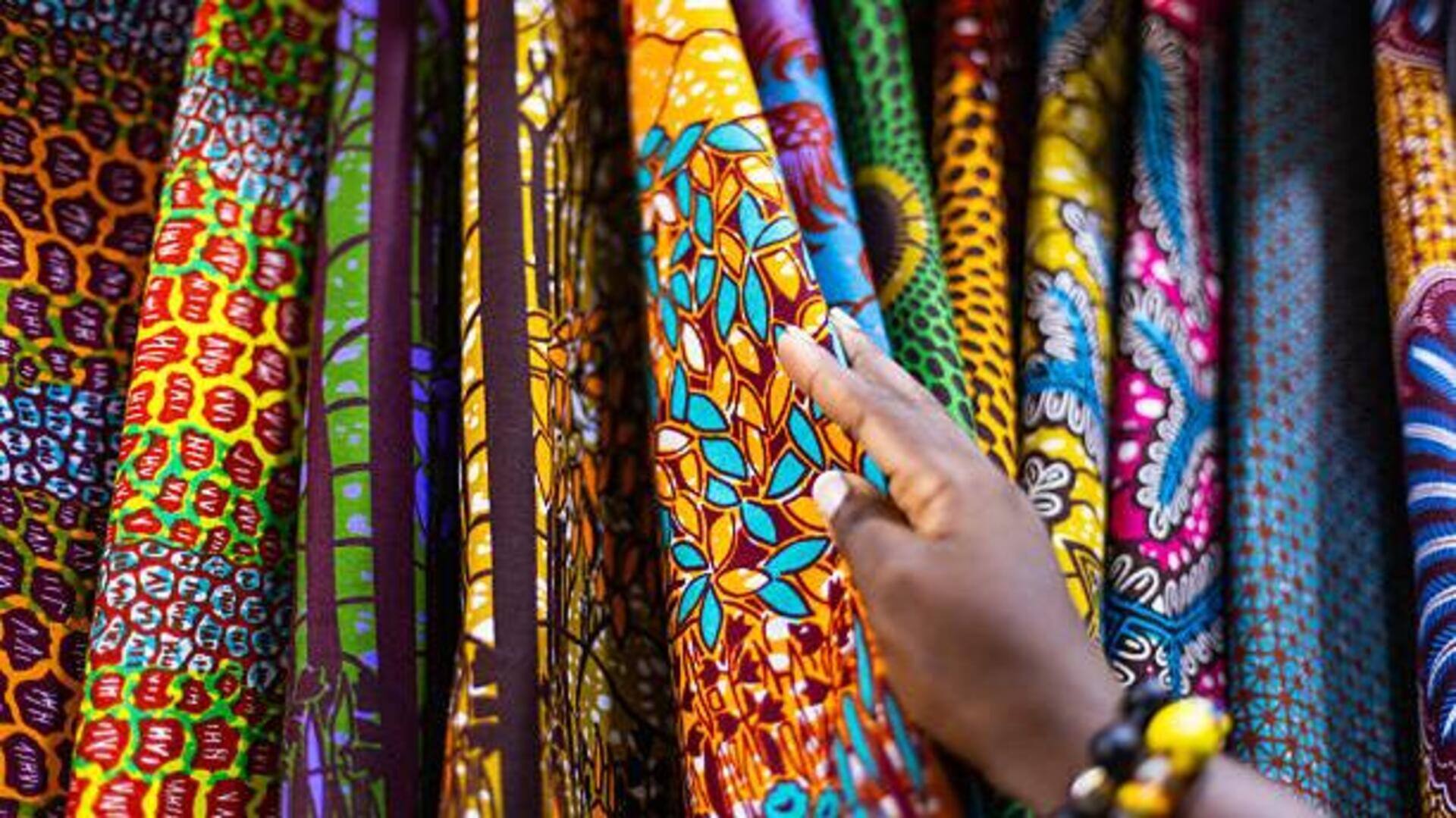
How to shop for vintage textiles
What's the story
African vintage textiles are a treasure trove of history and culture, making them a must-have for collectors and enthusiasts alike. These textiles, known for their vibrant colors and intricate patterns, tell stories of tradition and craftsmanship. However, buying these authentic pieces requires a keen eye and understanding of their cultural significance. Here are some practical tips to help you navigate the world of African vintage textiles with confidence.
Cultural insight
Understand the cultural significance
Before purchasing, it's important to understand the cultural significance behind each textile.
Many designs are symbolic, representing different tribes or regions in Africa.
Knowing what these patterns mean can help you appreciate the textile more and ensure that you respect its cultural heritage.
Researching or consulting with experts can provide valuable insights into the history and meaning of various designs.
Authenticity check
Check for authenticity
When buying African vintage textiles, authenticity is key.
Look for signs like age marks or natural wear that indicate genuine vintage pieces.
Be wary of reproductions that may look similar but lack historical value.
Asking for provenance or documentation from sellers can also help verify authenticity.
Condition assessment
Examine the condition
The condition of a textile is also important when it comes to its value and appeal.
Check for any damages, like tears or fading, that may affect its worth or display potential.
While some wear can add character, major damages may reduce its desirability among collectors.
Material quality
Consider the material quality
The quality of material used in making African vintage textiles also determines their durability and appeal.
Common materials include cotton, silk, and wool blends that are known for their longevity.
Feel the texture to ensure it meets your expectations regarding softness or sturdiness.
Pricing tips
Be mindful of pricing
Pricing can vary widely depending on factors such as age, rarity, condition, and demand in the market.
It's advisable to compare prices from different sources before making a purchase decision.
This way, you can ensure you're getting fair value without overpaying for an item that may not meet your expectations later on.