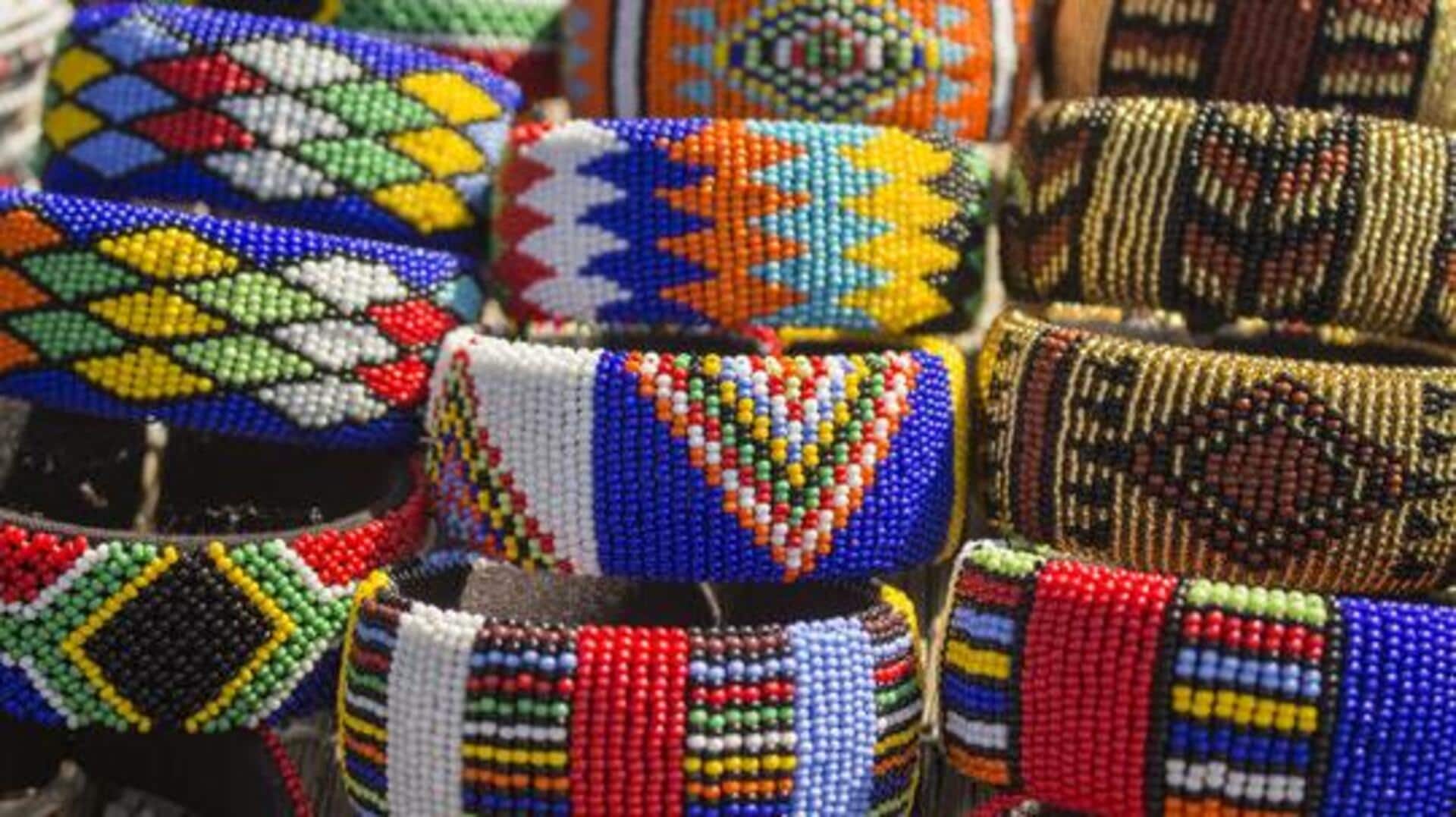
How to spot authentic handmade accessories
What's the story
African handmade accessories are a beautiful way to add a piece of culture and artistry to your collection. However, buying these items can be tricky, with the risk of counterfeit products. Knowing how to tell the difference between genuine and fake can help you support real artisans and get the best value for your money. Here are some practical tips to help you shop wisely.
Materials
Understand the materials used
Authentic African accessories are made using traditional materials like beads, wood, metal, and natural fibers.
Knowing the properties of these materials can help you identify genuine products.
For example, real beads are often made from locally sourced glass or clay and have slight imperfections that show their handmade nature.
Knowing these details can help you differentiate between authentic and mass-produced items.
Techniques
Learn about traditional techniques
Many African accessories are made using techniques that have been passed down through generations. Be it intricate beadwork or weaving patterns, each technique has its own cultural significance.
By learning about these methods, you can better appreciate the craftsmanship behind each piece.
Look for signs of skilled workmanship, such as consistent patterns and attention to detail, as indicators of authenticity.
Fair trade
Support fair trade initiatives
Fair trade initiatives ensure that artisans are paid fairly for their work and that the products are ethically sourced.
When you buy from fair trade-certified sellers, you can be sure that the artisans are treated well and their communities are supported.
Look for certifications or labels that indicate fair trade practices to ensure your purchase makes a positive impact.
Seller verification
Verify seller credentials
Before buying African handmade accessories, it's important to check the seller's credentials.
Reputable sellers usually provide information about the artisans they work with, and the sourcing of their products.
Check online reviews, and feedback from previous customers to get an idea of the seller's reliability.
This way, you can be sure you're buying authentic items, and supporting ethical practices.
Price comparison
Compare prices wisely
While pricing can be a good indicator of authenticity, it shouldn't be the only factor you consider when buying African handmade accessories.
Genuine items may be priced higher due to the quality of materials and craftsmanship involved in their making.
However, unusually low prices may indicate mass production or imitation products instead of authentic creations by skilled artisans.