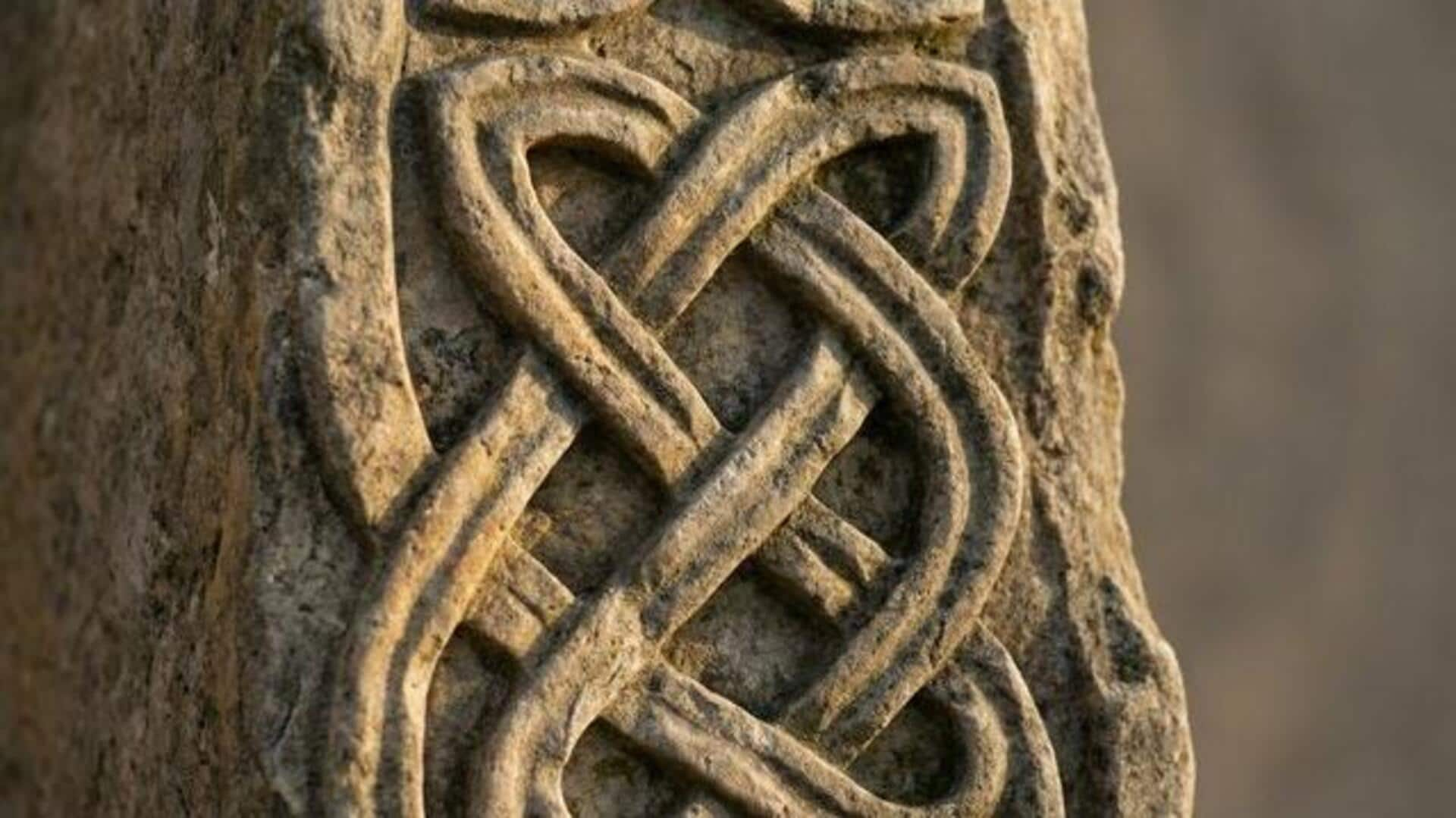
All about Kisii soapstone carvings
What's the story
Kisii soapstone carvings are a hallmark of African art, known for their intricate designs and cultural significance. These carvings, hailing from Kenya's Kisii region, are made by skilled artisans who have been perfecting their craft for generations. The soft stone can be carved into a variety of shapes and forms, making it a favorite among artists and collectors alike. Here's all about these unique carvings.
#1
The origin of Kisii soapstone
Kisii soapstone is found in the Kisii Highlands of Kenya. The stone is soft enough to carve but hard enough to hold detail.
Artisans have mined this resource for centuries, passing down techniques from one generation to the next.
The local community relies on this craft as a source of income and cultural expression, keeping their heritage alive through art.
#2
Techniques used in carving
Artisans use simple tools like chisels and knives to carve Kisii soapstone.
The process begins with selecting a suitable block of stone, followed by sketching designs on its surface.
Carving requires patience as artisans meticulously shape each piece by hand.
Polishing gives the final touch, enhancing the natural beauty of the stone.
#3
Cultural significance of carvings
Kisii soapstone carvings are not just art pieces but also hold cultural importance.
They are often used in ceremonies or as gifts between families during important occasions like weddings or initiation rites.
Each carving tells a story or symbolizes an aspect of life within the community, making them more than just decorative items.
#4
Economic impact on local communities
The production and sale of Kisii soapstone carvings provide a vital source of income for many families in the region.
Artisans sell their work at local markets or export it internationally, contributing to economic development in the area.
The demand for these unique artworks helps sustain traditional craftsmanship while providing livelihoods for skilled carvers.