
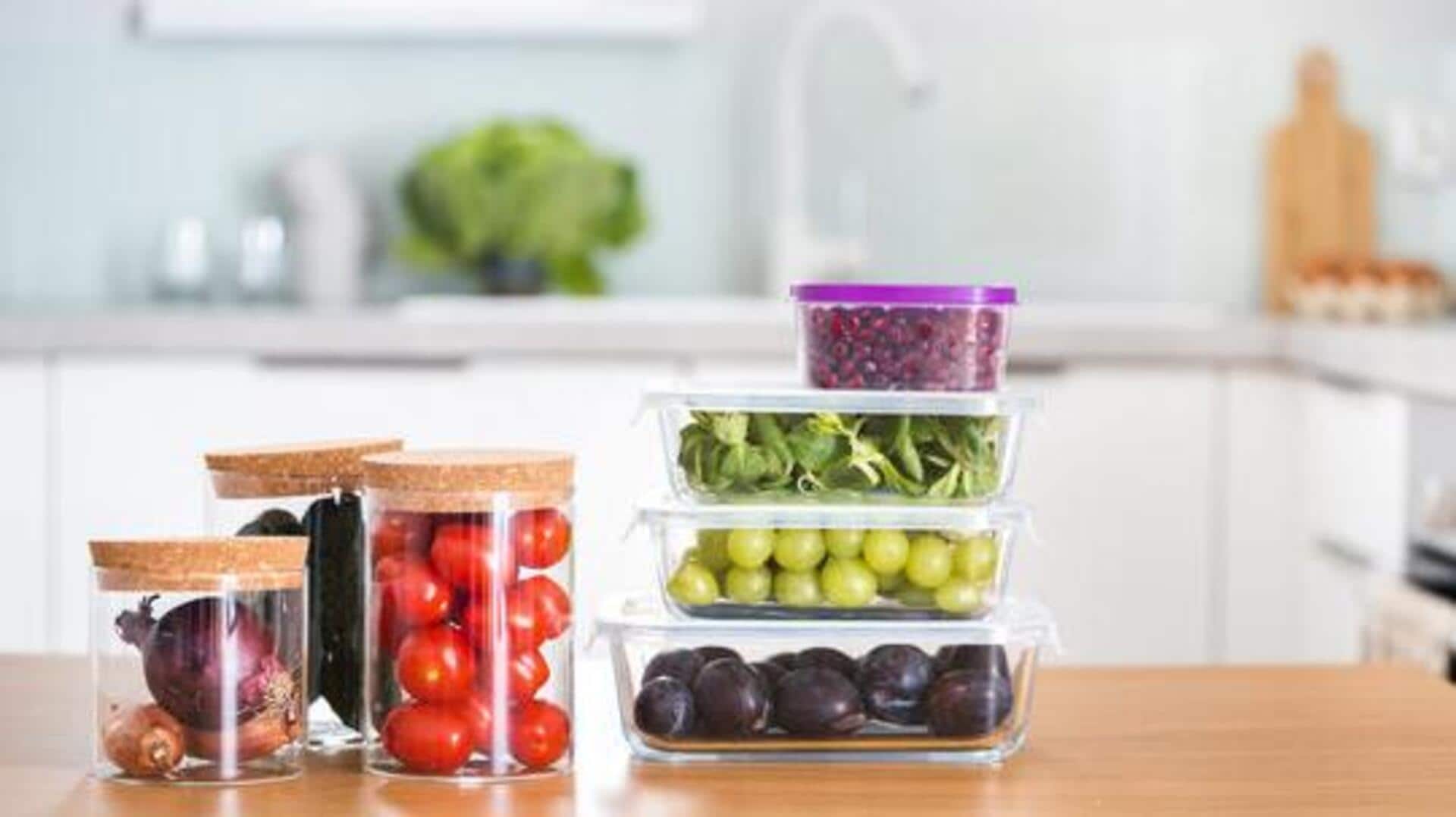
How to choose the right food storage containers
What's the story
Choosing food storage containers in Africa can be tricky, given the variety of options available. However, knowing the right materials, sizes, and purposes can make the process easier. This article aims to give you practical tips on choosing the right containers for your needs. Whether you want to store grains, vegetables, or leftovers, these insights will help you make informed decisions that suit your lifestyle and budget.
Tip 1
Consider material durability
When choosing food storage containers, material durability is key. Plastic is lightweight and cost-effective, but it may not be as durable as glass or metal. Glass containers are great for keeping food fresh and are microwave-safe, but they are heavier and more expensive. Metal containers are perfect for long-term storage of dry goods, as they keep moisture out. Assess your needs before deciding.
Tip 2
Evaluate size and capacity
Choosing the right size and capacity is key to efficient food storage. Small containers are perfect for storing spices or snacks, while larger ones suit grains or bulk purchases. Think about how much food you usually store and choose accordingly to avoid wastage of space or resources.
Tip 3
Check for airtight seals
Airtight seals are essential to keep food fresh by keeping air and moisture out. When shopping for containers, make sure that the lids fit tightly and create a proper seal when closed. This is especially important for items like flour or sugar that can go bad quickly when exposed to air.
Tip 4
Assess ease of cleaning
Ease of cleaning should also be a consideration when choosing food storage containers. Some materials like glass are dishwasher-safe, while others may require hand washing due to their design or material composition. Consider how often you'll need to clean them and choose accordingly.
Tip 5
Budget considerations
Budget also plays an important role in choosing food storage solutions. While some high-end options may promise better durability or aesthetics, there are plenty of affordable choices that serve their purpose well without breaking the bank. Set a budget before shopping so you can narrow down options that meet both your financial constraints and functional requirements.