How to sculpt clay statuettes at home
What's the story
African figurines are a unique art form, famous for their cultural significance and intricate designs. Sculpting these figurines from clay requires a deep understanding of the techniques and materials used by artisans. This guide delves into the traditional methods employed in creating authentic African figurines, offering insights into the process, tools, and cultural importance behind each piece. Whether you're an artist or an enthusiast, these timeless techniques will help you appreciate and create these remarkable works of art.
Tip 1
Understanding clay selection
Choosing the right clay is essential for sculpting African figurines.
Traditionally, artisans use natural clay because of its availability and workability.
The clay should be malleable enough to hold shape but firm enough to retain details after drying.
Some artists prefer adding sand or other natural materials to improve texture and durability.
Knowing your material helps in achieving the desired finish and longevity of the figurine.
Tip 2
Mastering traditional sculpting techniques
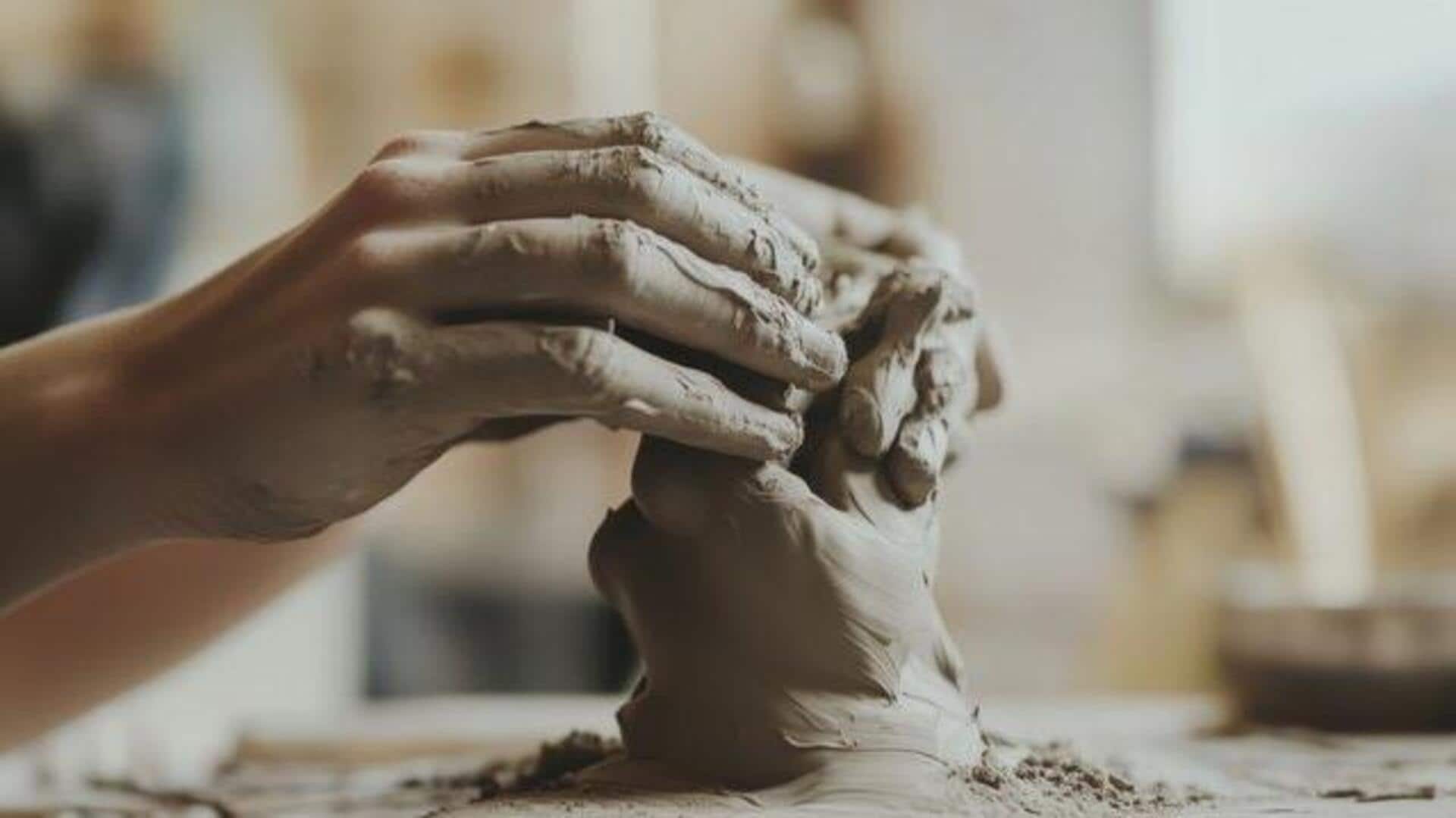
Traditional sculpting techniques involve hand shaping without modern tools.
Artisans often use simple tools like sticks or stones for detailing features such as facial expressions or clothing patterns.
The process requires patience, as each layer must dry before adding more details or elements.
Practicing these techniques helps in developing a deeper connection with the art form.
Tip 3
Incorporating cultural symbols
African figurines are rich in cultural symbolism, representing various aspects of life, spirituality, and community values.
Incorporating these symbols into your sculptures adds depth and authenticity to your work.
Researching specific meanings behind certain symbols ensures that your figurine resonates with its intended message or purpose within its cultural context.
Tip 4
Finishing touches: Painting & preservation
After sculpting, the final step is to paint and preserve the figurine.
Natural pigments from plants or minerals are used to color these pieces, giving them a vibrant look.
Preservation techniques like sealing with natural oils or waxes protect them from damage over time.
These methods ensure that the delicate details of the figurine are preserved for years to come.