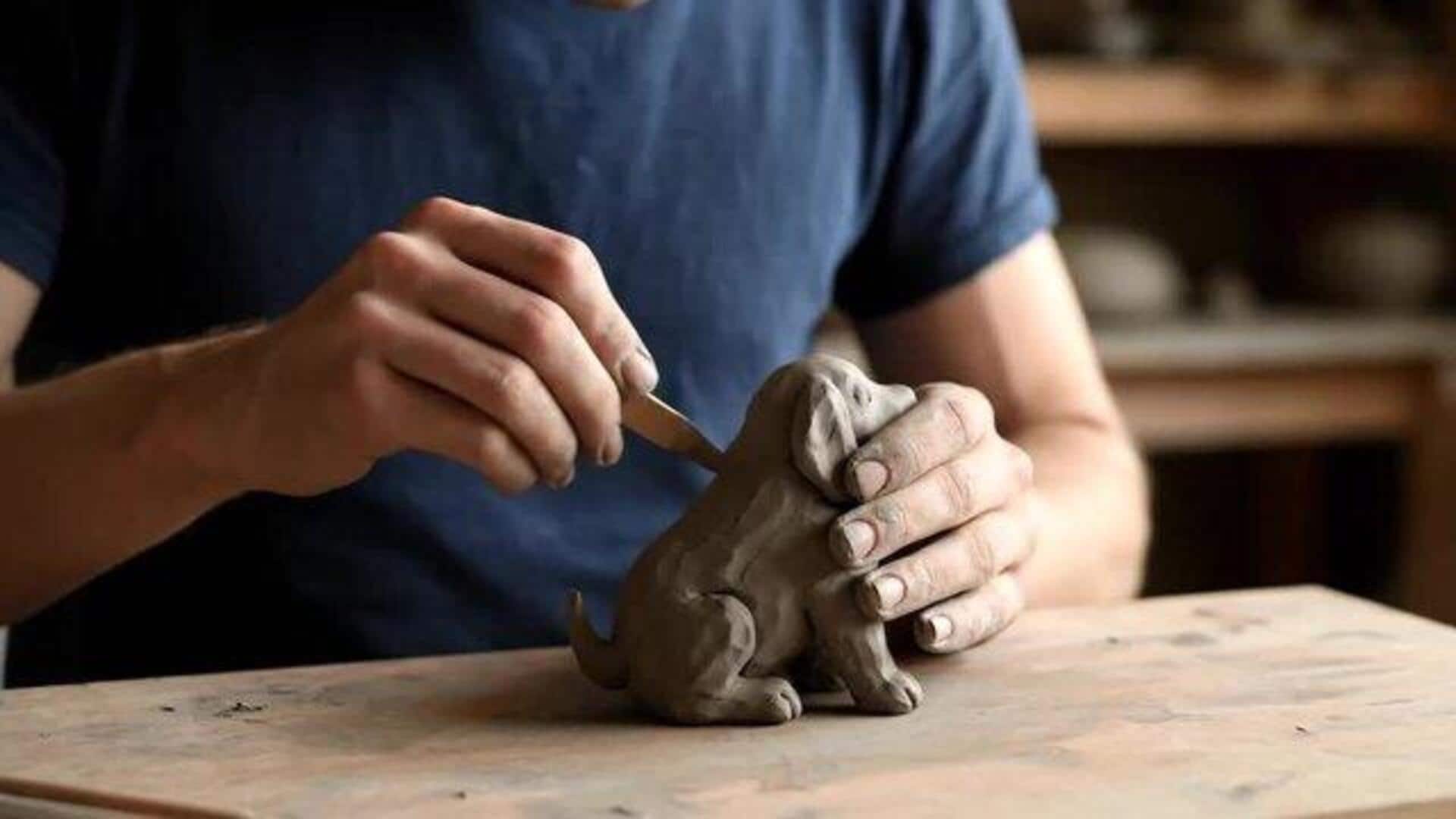
How to sculpt clay animal figures at home
What's the story
African animal clay sculptures are a beautiful way to celebrate the continent's rich wildlife. These sculptures, which are made from clay, capture the essence of Africa's most iconic animals. They are not just artistic expressions, but also cultural artifacts that reflect the traditions and histories of various African communities. Creating these sculptures requires skill, patience, and an appreciation for the natural world.
Tip 1
Choosing the right clay
Choosing the right clay is essential for making durable sculptures.
Natural clay, easily available in many parts of Africa, is preferred for its malleability and texture. It is important to choose a type that dries well without cracking.
Some artists prefer adding natural fibers to reinforce their sculptures.
Experimenting with different clays can help you find the one that suits your artistic style.
Tip 2
Understanding animal anatomy
A deep understanding of animal anatomy is essential for creating realistic sculptures.
Studying photographs or observing live animals can help artists capture accurate proportions and details.
Knowing how muscles and bones work under the skin helps in sculpting lifelike figures.
This knowledge is key to making sure that each piece is both artistic and anatomically correct.
Tip 3
Incorporating traditional techniques
Many African cultures have traditional techniques passed down through generations for sculpting animals in clay.
These techniques often involve specific methods of shaping, texturing, and finishing that give sculptures their unique character.
Learning these techniques from local artisans, or through workshops, can add depth to an artist's work by connecting them with cultural heritage.
Tip 4
Finishing touches and preservation
The finishing touches on a sculpture can make all the difference to its aesthetic appeal and longevity.
After drying, some artists apply natural pigments or plant-based sealants to protect their work from moisture damage without compromising its natural look.
Proper preservation techniques ensure that these artworks remain intact for future generations to appreciate them fully.