Mud cloth patterns: Types, techniques, and more
What's the story
African mud cloth patterns are famous for their unique designs and cultural significance. These patterns, traditionally made by artisans, are now being incorporated into modern fabric designs. By using these patterns, designers can create unique textiles that pay homage to African heritage while catering to contemporary tastes. Here is how you can incorporate these traditional designs into modern fabrics, and the techniques and ideas involved.
Pattern Insight
Understanding mud cloth patterns
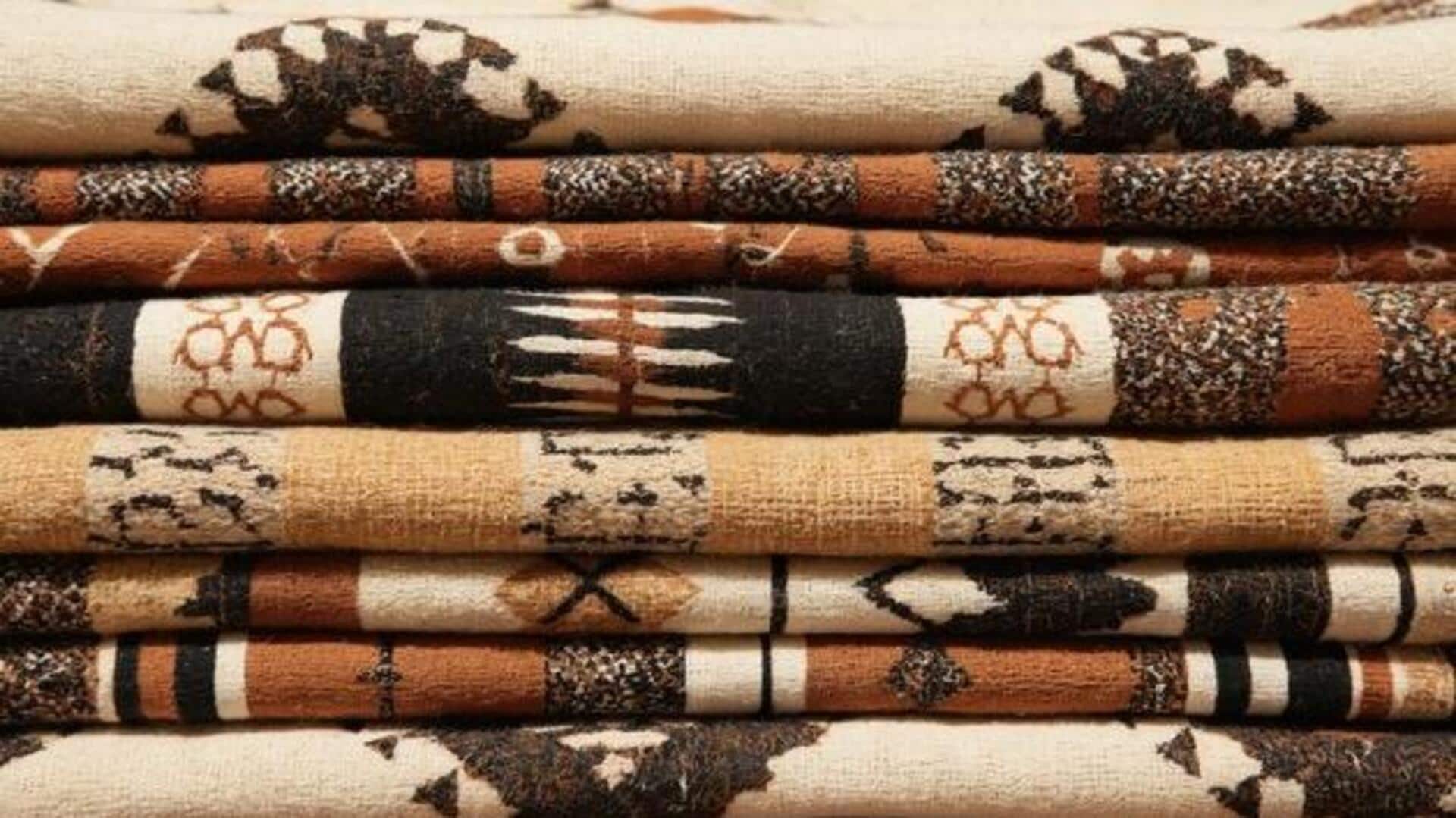
Mud cloth patterns are characterized by geometric shapes and symbols, each of which has a meaning.
The patterns are usually made by dyeing the fabric with fermented mud, resulting in a distinct texture and appearance.
Knowing the cultural significance of each pattern can help designers create more meaningful textiles.
By adding these traditional elements, modern fabrics can tell a story and connect with consumers on a deeper level.
Technique blend
Techniques for modern integration
Integrating mud cloth patterns into modern fabrics requires a blend of traditional techniques with contemporary methods.
Designers can use digital printing technology to replicate intricate designs accurately on various materials. This way, the authenticity of the pattern is maintained, while making it easier to produce large quantities.
Additionally, experimenting with different fabric types like cotton or linen can give new life to these classic designs.
Color selection
Color palettes inspired by tradition
Traditionally, mud cloth is made using natural dyes that give it earthy tones like brown, black, and white.
These colors can be adapted for modern use by adding vibrant hues inspired by African art and culture.
Designers can play with color combinations that appeal to today's market while keeping the essence of traditional mud cloth intact.
Eco-friendly approach
Sustainable practices in production
Incorporating sustainable practices in the production of mud cloth-inspired fabrics is essential for environmentally conscious consumers.
Using organic materials and eco-friendly dyes not only reduces environmental impact but also adds value to the product.
By adopting sustainable methods, designers can appeal to a growing market that prioritizes ethical fashion choices, without compromising on style or quality.